[wadiz] Transparency Report Vol. 17

#TRUST & SAFETY · Platform Operations Report — Vol. 17
From health functional foods to general food labeling,
this week we took a detailed look at labeling and advertising standards.
Publication Date
August 17, 2026
Coverage Period
August 9 — August 15
Publication Frequency
Every Monday
Here are the cases the Trust Team identified during this week’s monitoring.
We looked at everything from product images to review of reports and claims regarding efficacy.
[Case 1] “Is the fruit really this big?” — AI-generated images distorting the actual product
We discovered that a fruit gift project used AI-generated images to depict the fruit as much larger and more unrealistic than it actually is. This goes beyond simple photo editing; it distorts the very Rewards that supporters will receive and could lead to misunderstandings about the product’s actual size. wadiz advised the project to replace the images with ones that accurately reflect the actual size or to include a reference object for comparison.
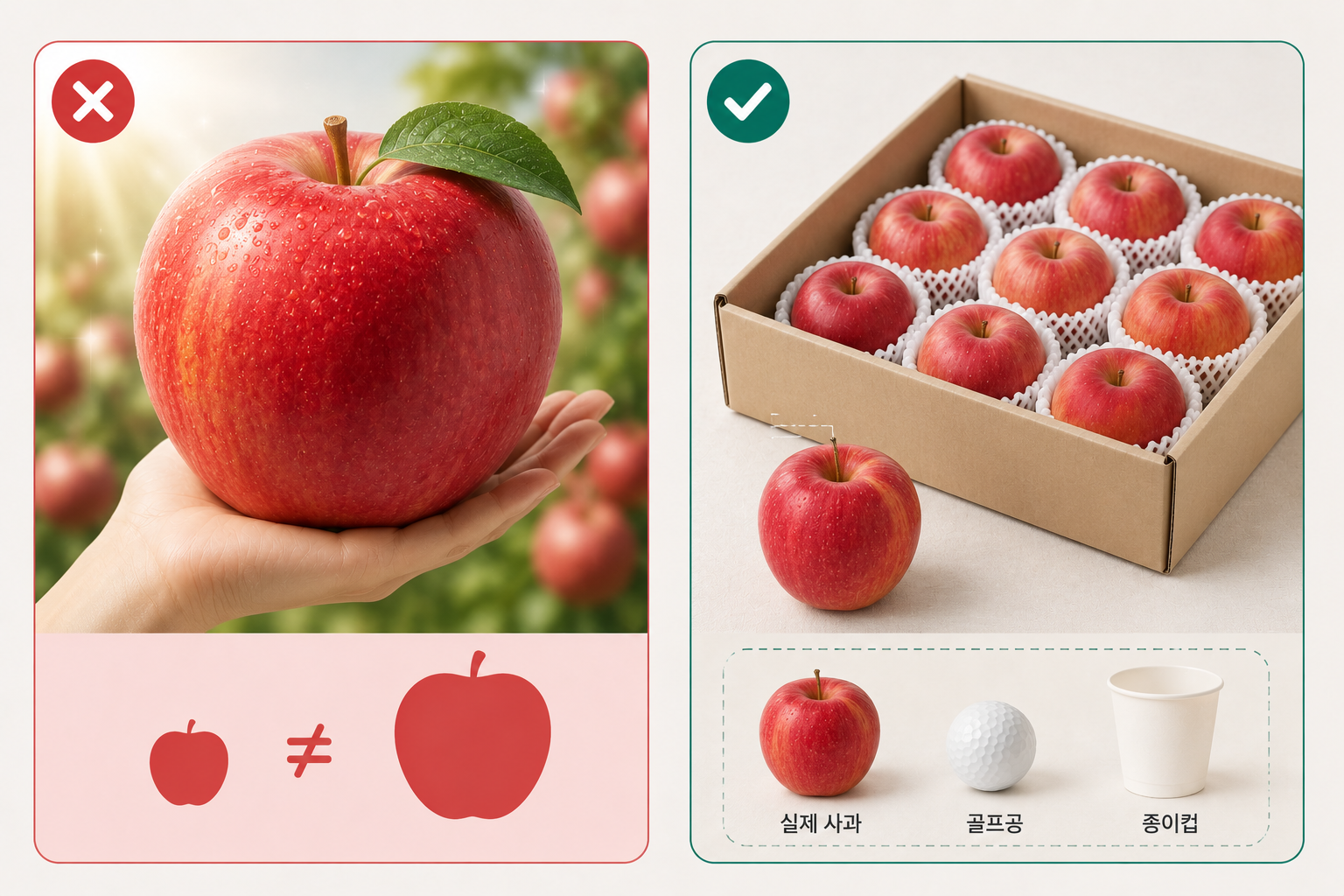
💡 Why Should We Be Cautious About AI-Generated Images?
While AI-generated images are useful for creating appealing visuals without the need for real-life photos, if they depict the product’s size, shape, or color differently from the actual item, there is a risk that supporters may misinterpret the product and make a purchasing decision based on that misperception. For products where size and composition are critical, we are checking even more thoroughly to ensure there are no discrepancies with the actual product.
[Case 2] “Similar to a Famous Brand?” — Review of a Report on Design Similarity
A report was filed regarding a vase Rewards project, alleging that its design was similar to that of a well-known brand. After the Trust Team conducted a detailed comparison of the shape, proportions, and details, they determined that there was no substantial similarity in either the overall impression or specific design elements, and therefore decided not to act on the report. wadiz does not impose blanket sanctions simply because a report is filed; instead, it makes decisions only after carefully comparing the evidence.

[Case 3] “Is This Ingredient Good for Eliminating Waste Products?” — Misleading Claims About General Foods Being Health Functional Foods
We identified several food rewards projects that, in their Stories, presented specific ingredients as if they helped with waste elimination, toxin removal, or fatigue recovery. Since these are general foods, we advised the creators to delete or revise any expressions that could be mistaken for health functional food claims.
Expressions that highlight the characteristics of the ingredients, such as “rich in dietary fiber” or “rich in organic acids,” are not problematic. However, we are continuing to review expressions that imply efficacy limited to health functional foods—such as “elimination of waste products,” “blood sugar management,” or “improvement of intestinal health”—as they may mislead consumers.
Expressions that highlight the characteristics of the ingredients, such as “rich in dietary fiber” or “rich in organic acids,” are not problematic. However, we are continuing to review expressions that imply efficacy limited to health functional foods—such as “elimination of waste products,” “blood sugar management,” or “improvement of intestinal health”—as they may mislead consumers.
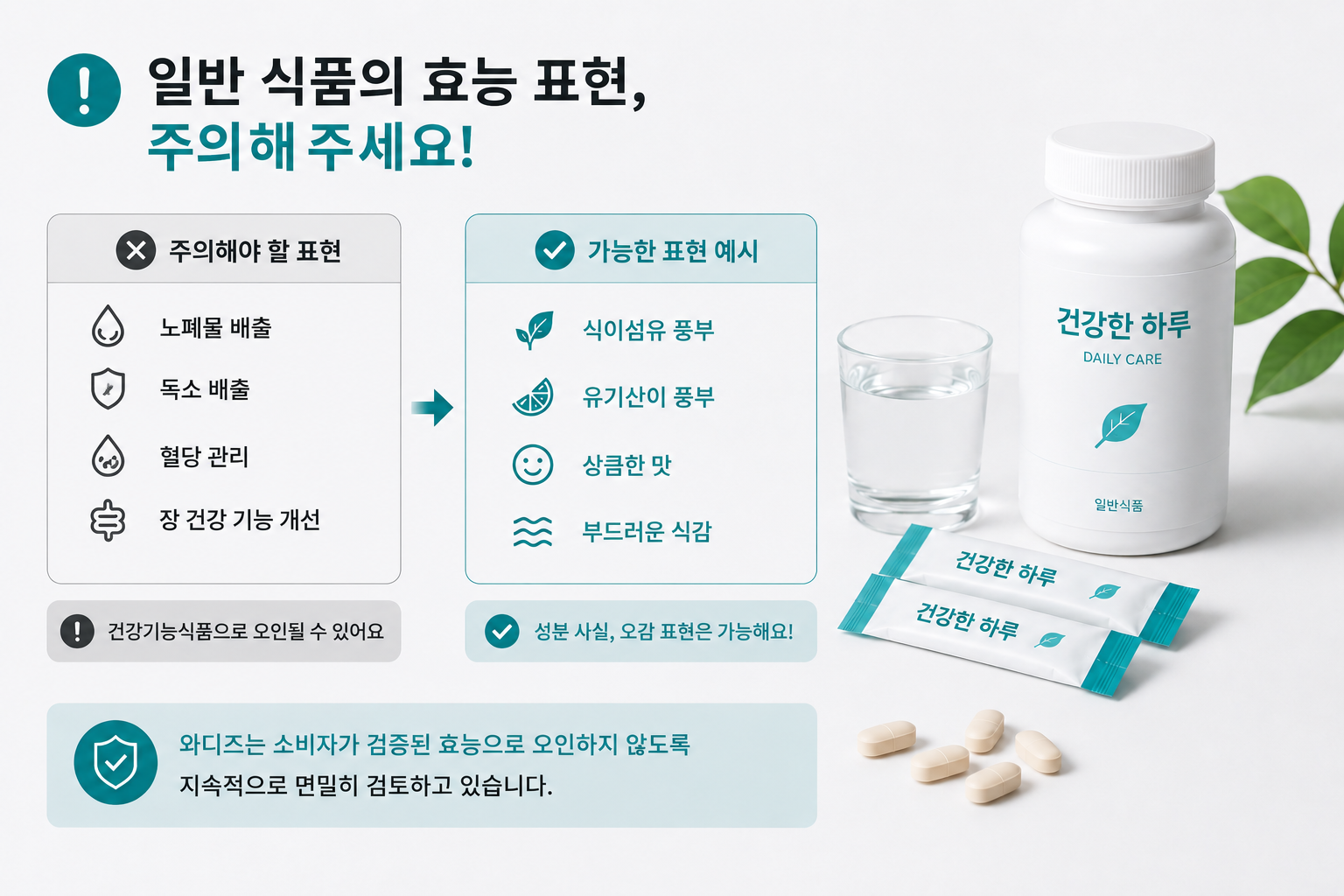
💡 Why is it not allowed to market general foods as if they were health functional foods?
“Health functional foods” are products whose functional benefits have been recognized by the Ministry of Food and Drug Safety (MFDS), allowing them to be labeled and advertised accordingly. In contrast, even if general foods contain the same ingredients, they cannot be advertised by emphasizing specific health benefits or effects. Presenting general foods in the same way as health functional foods can lead consumers to have false expectations and may violate the Labeling and Advertising Act and the Health Functional Foods Act.
💡 Important Note
Health functional foods must undergo prior advertising review, and you must submit the “Advertising Review Approval” document issued upon passing the review in order to claim efficacy within the scope of the approved review. As these products are directly related to health, we will continue to monitor for false or exaggerated advertising.
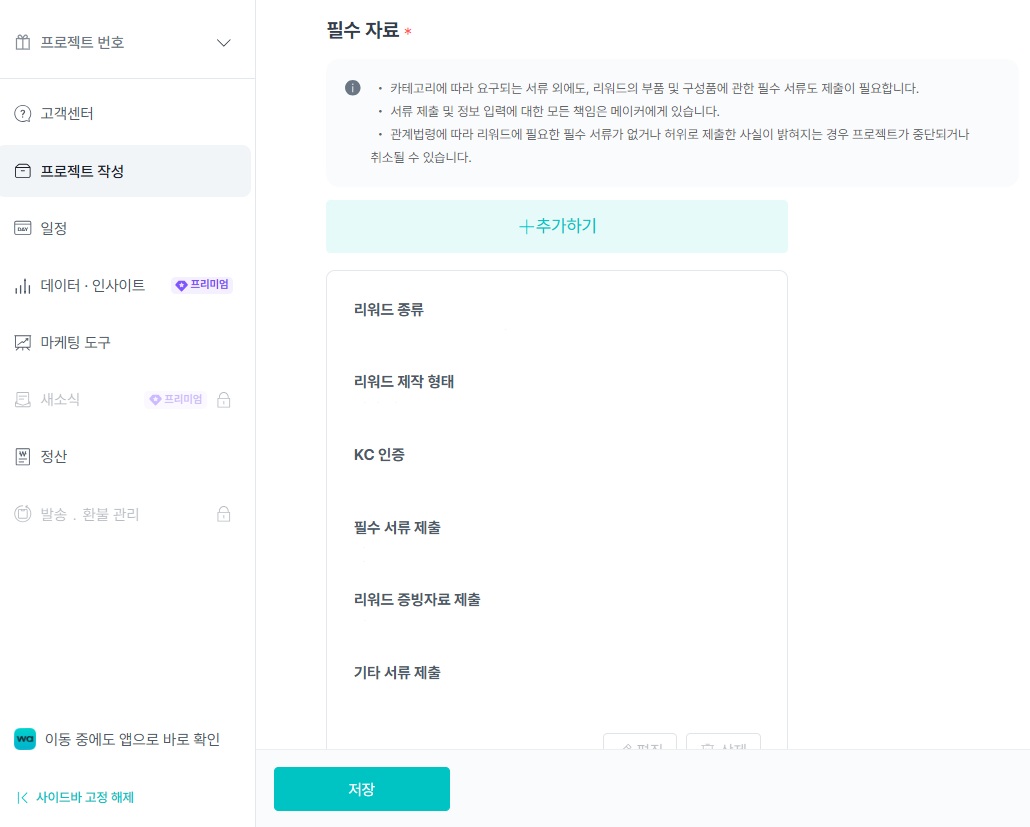
If you have any documents to submit, you can do so via the [Maker Studio > Create Project > Project Information > Required Documents] path.
If you have any documents to submit, you can do so via the [Maker Studio > Create Project > Project Information > Required Documents] path.
From health functional foods to general food labeling,
we’ve put together a brief summary of this week’s highlights.
Ahead of the Chuseok holiday, there has been a significant increase in gift-related projects involving health functional foods, general foods, and fruits. The Trust Team checked whether general foods were described in a way that could be mistaken for health functional foods and whether AI-generated images were exaggerated or different from the actual products. Where such issues were found, we instructed clients to delete or revise the content.
If you have obtained health functional food certification, simply submit the required advertising review documents and describe the product’s benefits within the scope approved by the review. If you do not have certification, you can still effectively convey the product’s appeal by highlighting the characteristics of the ingredients and raw materials themselves, rather than making definitive claims about its efficacy. Similarly, product images that accurately reflect the actual size and shape of the item will help build trust with your supporters. Both health-related information and realistic images must be conveyed accurately so that supporters can receive their holiday gifts with peace of mind.
The next Transparency Report will be released on August 24, 2026. We will continue to share updates transparently and work to build an environment where both makers and supporters can feel at ease.

View Previous Reports