Migam (Aesthetic Sense): A Trend Reshaping Korea
Last Updated: July 27, 2026
Migam (美感) is the Korean word for aesthetic sense, defined as the ability to recognize and appreciate good design, and in 2026, it has become one of the clearest indicators of what Koreans in their 20s and 30s choose to support, buy, and carry. In fact, search interest for “Migam” on Naver, Korea’s leading search engine, has been steadily trending upward throughout the first half of the year. Korean consumers no longer buy just for a good price; they buy for good taste. When a product’s design is exceptionally refined, category and price cease to be barriers. This guide breaks down why Migam matters right now, which categories it’s boosting, and what Wadiz’s own funding data reveals to makers who want to compete on design rather than price alone.
What “Migam” Means, and Why It’s on the Rise Now
For Korean consumers, Migam is no longer just a matter of taste. It has become a basic form of literacy—something people are expected to develop, just as they once developed fitness or a foreign language. Design fit now matters as much as price when choosing a product, and sharing a similar aesthetic sense has even become a factor in who people choose to spend time with.
This shift is also reflected in cultural attendance data. The National Museum of Modern and Contemporary Art (MMCA) attracted 3.37 million visitors in 2025—its highest attendance since opening and an increase of about 15% year-over-year—with visitors in their 20s and 30s accounting for 63.2% of that total. That same year, Kiaf and Frieze Seoul, Korea’s major art fairs, drew roughly 9,600 visitors on their second day alone—a 30% increase from the previous year. “Migam” is a consumption trend that is clearly on the rise in Korea right now.
At the same time, emotional spending—the so-called “small luxuries” that offer instant mood boosts and psychological comfort amid an anxious or exhausting daily life—is also on the rise. This habit of refreshing one’s mood with a small decorative item without spending a fortune naturally aligns with the Migam trend.
The Products and Categories Driven by Migam
The shift toward valuing “good taste” has driven actual spending in specific categories. The mindset of buying for “sensory satisfaction” rather than purely for functionality or cost-efficiency is manifesting in two major consumer trends.
The Art of Curating Your Own Space
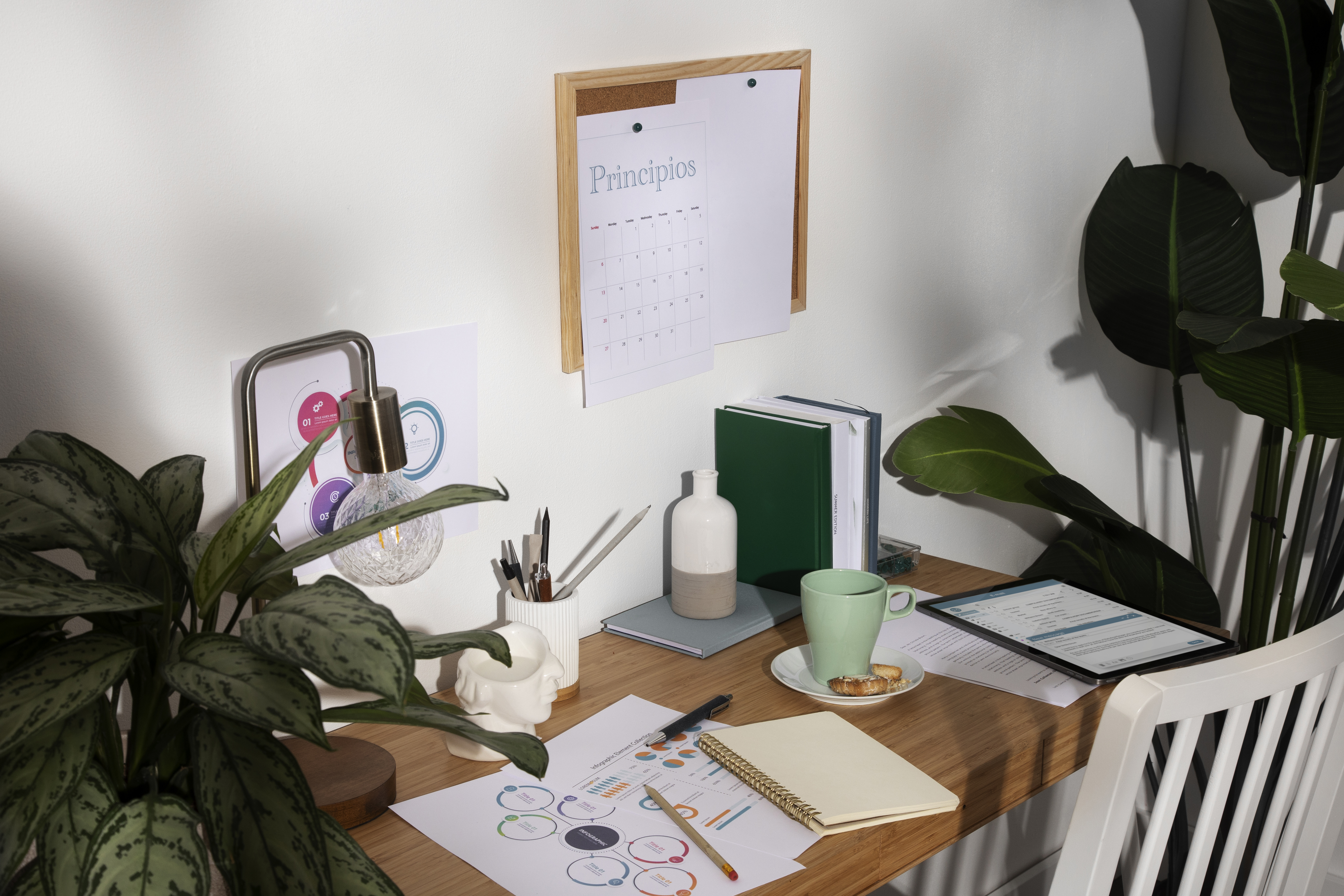
The first trend revolves around the extent to which people infuse their personal taste into the spaces they occupy. Items that were once purely functional office supplies—such as keyboards, lighting, and small desk accessories—have evolved into their own category, known as “desk-terior.”
This trend extends far beyond the desk to encompass the entire home. Even the most basic everyday items, such as tableware, have not been left untouched. MUJAGI, a ceramics brand built around Korean aesthetic sensibilities, saw its sales on a Korean select-shop platform grow by more than 135% year-over-year in 2025—a clear sign that demand for premium tableware among younger consumers has become significant. For this category, the purchase decision hinges on whether the item fits the space and reflects the owner’s taste, rather than purely on practicality.
Wearable Gadgets & Keyrings: Expressing Personal Identity
The second trend revolves around what people carry on their person. Smartwatches and smart rings are no longer sold merely as functional electronics; they are worn daily as fashion accessories, where the chosen design and color become a statement of identity.
The same logic applies to dolls and keychains that hang from a bag or sit in a hand. Blind-box art toys are the clearest example. Whether it’s a wearable or a doll, the common thread is the same: a small object you carry becomes a way of saying, “This is the kind of taste I have.”
Migam Funding Trends on Wadiz
Wadiz backers aren’t looking for the cheapest option; they’re early adopters seeking something novel and engaging before anyone else discovers it. The very nature of crowdfunding—where backers gain early access to products not yet officially launched—naturally attracts people who want to prove their discerning eye for quality by being the first to discover them. The following projects are among the most representative examples of this consumer trend on Wadiz.
[Character Goods] National Treasure Bodhisattva Miniature
A miniature modeled after a Korean National Treasure Bodhisattva statue achieveda 20,196% funding rate from 418 supporters, with an average pledge of around 320,000 KRW (about $230) per supporter. Its premium price point proved to be no barrier to funding success.
This is Migam in its purest form. Supporters weren’t buying functionality; they were curating a personal space to reflect their unique taste and unwind from daily stress. Choosing to elevate everyday life with museum-grade art is precisely what Migam is about, making a high price tag a non-issue.
| Category | Key Reward | Supporters | Amount Raised |
|---|---|---|---|
| Character Merchandise | Bodhisattva Miniature | 418 | 100.98 million KRW |

[Tech & Electronics] NuPhy Air75
NuPhy rode the “desk-terior” trend head-on. Keyboards used to be judged purely on typing feel and specs, but NuPhy prioritized aesthetics: a compact, low-profile silhouette in colors that made it feel more like a design object than a PC peripheral. Yet it didn’t compromise on performance, backing up its striking design with genuinely impressive typing quality and functionality. That combination of aesthetic appeal and function achieved a 36,242% funding rate, with 2,426 backers.
A later “Pink & Mint Limited Edition”—the same design re-released in new colors—also reached 9,220% of its funding goal with 723 backers. Newer models with upgraded specs continue to build on the same fan base.
| Category | Key Reward | Supporters | Amount Raised |
|---|---|---|---|
| Tech & Electronics | AIR75 Mechanical Keyboard | 2,426 | 362.42 million KRW |

[Fashion] LLOYD Smartwatch Strap
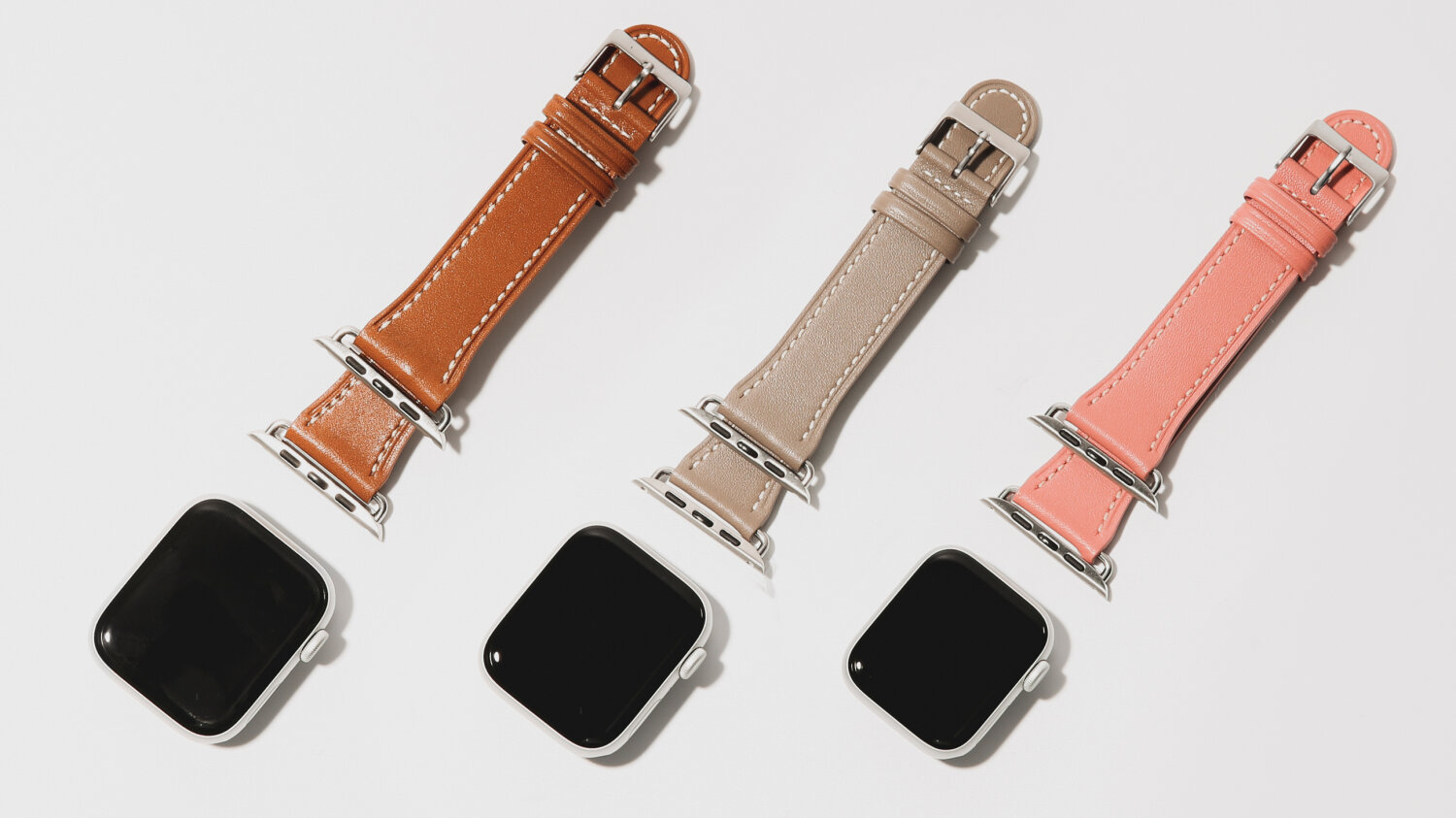
LLOYD transformed how consumers view smartwatches, not as mere electronic devices, but as pieces of wearable fashion. By focusing entirely on the strap, LLOYD elevated the smartwatch experience using premium Italian and French leather in eight distinct colors. The project attracted 1,371 backers with an average pledge of 70,000 KRW (about $50), and subsequently returned for a successful second campaign.
| Category | Key Reward | Supporters | Amount Raised |
|---|---|---|---|
| Fashion | Leather Smartwatch Strap (8 Colors) | 1,371 | 85.3 million KRW |
All of These Cases Are Part of Wadiz’s “MIGAM” Collection
Reflecting this trend, Wadiz has been running a globally oriented curated collection called “MIGAM.” It brings together everything from goods inspired by traditional crafts to sensory, design-forward desk and wearable items under a single theme: aesthetic sensibility. Most of the cases in this guide are featured in that collection. Makers wondering whether their product would fit can browse the collection first to see the tone of the products it curates.
➡️ Explore the Migam Collection
FAQ (Frequently Asked Questions)
Q. Do foreign makers need a Korean business license to launch a campaign on Wadiz?
A. Makers based outside Korea can run projects on Wadiz without registering a Korean business entity or obtaining a Korean business license. Only a valid business registration in one of the eligible countries (such as the United States, China, Hong Kong, Japan, Germany, Singapore, Poland, Australia, or Korea itself) is required, along with completed KYC verification through Stripe Connect or PingPong Payments, depending on the maker’s country. For a complete step-by-step guide, see How to Launch on Wadiz as a Foreign Maker.
Q. Can makers launch a funding project with just a prototype?
A. Yes. Makers can launch a funding project on Wadiz with only a prototype, and even at the idea stage. Since Wadiz is a reward-based crowdfunding platform, supporters are pre-ordering a product that will be produced after the campaign—not buying existing stock—which is why a prototype is sufficient. Wadiz also emphasizes that a minimum level of demonstrated feasibility is necessary to earn trust. Even without a final product, makers should provide a clear production and shipping plan, a sincere story explaining why they are creating the product and how they will deliver it, and sufficient images or videos so that supporters can understand the reward without exaggeration.
📍 Explore More Trend Insights
Just Get Started on Wadiz.
Your step-by-step guide from preparation to funding success—available now at the Wadiz Maker Center.