Migam: Reshaping South Korea’s “Design-Driven” Consumer Trends
Last Updated: July 27, 2026
"Migam" (a term for "aesthetic sensibility" in Korean) refers to the ability to recognize and appreciate excellent design. By 2026, it has become one of the clearest indicators of what South Korean consumers in their 20s and 30s will back on crowdfunding platforms, purchase, and carry with them. In fact, on Naver, South Korea’s largest search engine,search interest in the term “Migam” continued to rise in the first half of this year. Korean consumers are no longer buying solely for “good value”; instead, they are buying for “good aesthetics.” When a product’s design is outstanding enough, category and price cease to be barriers. This article will analyze why the Migam trend is gaining traction right now, which product categories it is driving, and what insights Wadiz’s own crowdfunding data can offer creators who want to win over customers with design rather than price.
What Is “Aesthetic” and Why Is It Gaining Momentum Now?
For South Korean consumers, aesthetics has long ceased to be merely a matter of personal preference; it has become a fundamental skill—just as people once worked hard to stay fit or learn a foreign language, they are now expected to cultivate this aesthetic sensibility. When selecting products, whether the design is appealing has become just as important as price, and even shared aesthetic tastes have become a factor in deciding with whom to spend time.
This shift is also reflected in visitor data from cultural venues. The National Museum of Modern and Contemporary Art, Korea (MMCA) attracted 3.37 million visitors in 2025, setting a record high since its opening and marking a year-over-year increase of approximately 15 percent,with visitors in their 20s and 30s accounting for as much as 63.2% of the total. That same year, Korea’s largest art fairs, KIAF and Frieze Seoul, attracted approximately 9,600 visitors on their second day alone, a 30% increase from the previous year. Aesthetic sensibility is clearly emerging as a prominent consumer trend in South Korea today.
At the same time, “emotional consumption”—or so-called “small joys consumption,” which brings instant pleasure and psychological comfort amid anxious or exhausting daily life—is also on the rise. This habit of refreshing one’s mood with a small decorative item without spending a lot of money aligns perfectly with the trend toward aesthetic appreciation.
Which Products and Categories Is Aesthetic Appeal Driving?
The emphasis on “good aesthetics” is driving actual consumption in specific categories. A consumer mindset that prioritizes “sensory satisfaction” over mere functionality or value for money is reflected in two major consumption trends.
Creating a Space That’s Uniquely Yours
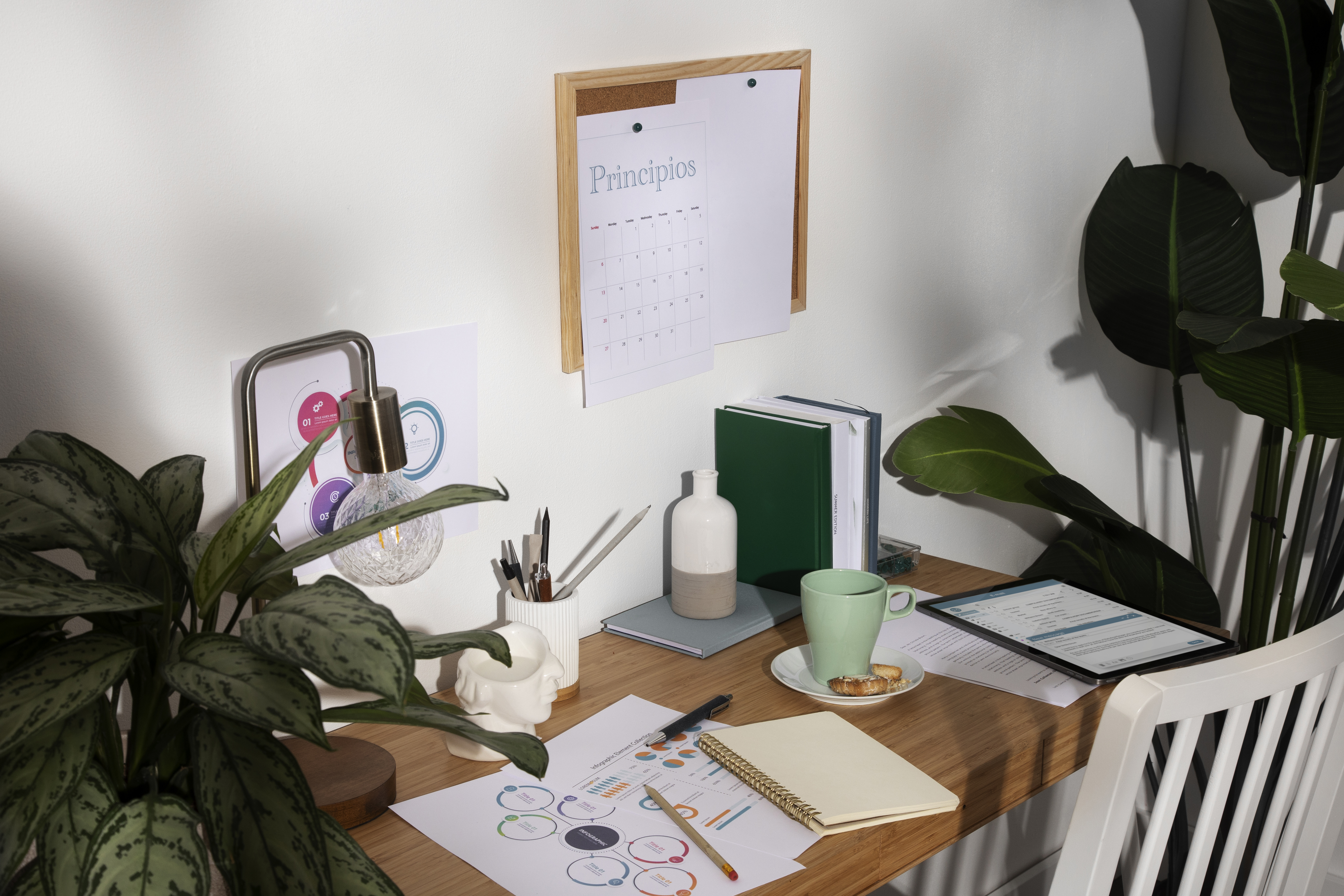
The first trend involves the extent to which people are infusing their personal taste into their living spaces. Items that were once purely office supplies—such as keyboards, lamps, and desk accessories—have now formed their own category, known as “desk-terior.”
This trend has long since expanded beyond the desk to encompass the entire home. Even the most basic everyday items, such as tableware, are no exception. MUJAGI, a ceramic brand centered on Korean aesthetics, saw its sales on a curated Korean e-commerce platform grow by over 135% year-over-year in 2025,clearly indicating that demand for high-end tableware among young consumers is already quite substantial. For this category, the key to purchasing decisions lies in whether the product complements the space and reflects the owner’s taste, rather than mere practicality.
Wearables and Keychains: Self-Expression You Carry With You
The second trend involves items people carry with them. Smartwatches and smart rings are no longer merely functional electronic devices; they are treated as everyday fashion accessories, and the designs and colors chosen have become a form of self-expression in their own right.
Plush toys and keychains hung from bags or held in hands follow the same logic, with blind box collectibles being the most typical example. Whether it’s wearable devices or plush toys, they share a common trait: a small item carried on one’s person has become a way to express, “This is my taste.”
Aesthetic Crowdfunding Trends on the Wadiz Platform
Wadiz backers are never looking for the cheapest option; rather, they hope to be the first to discover products that offer both sensory pleasure and a sense of novelty before anyone else does. The very mechanism of crowdfunding—allowing backers to get their hands on products before they officially hit the market—naturally attracts those who want to prove they have “good taste” and can “spot great products early.” The following projects are representative examples of this consumer trend on the Wadiz platform.
[Character Merchandise] Miniature Model of the National Treasure “Half-Lotus Contemplative Buddha”
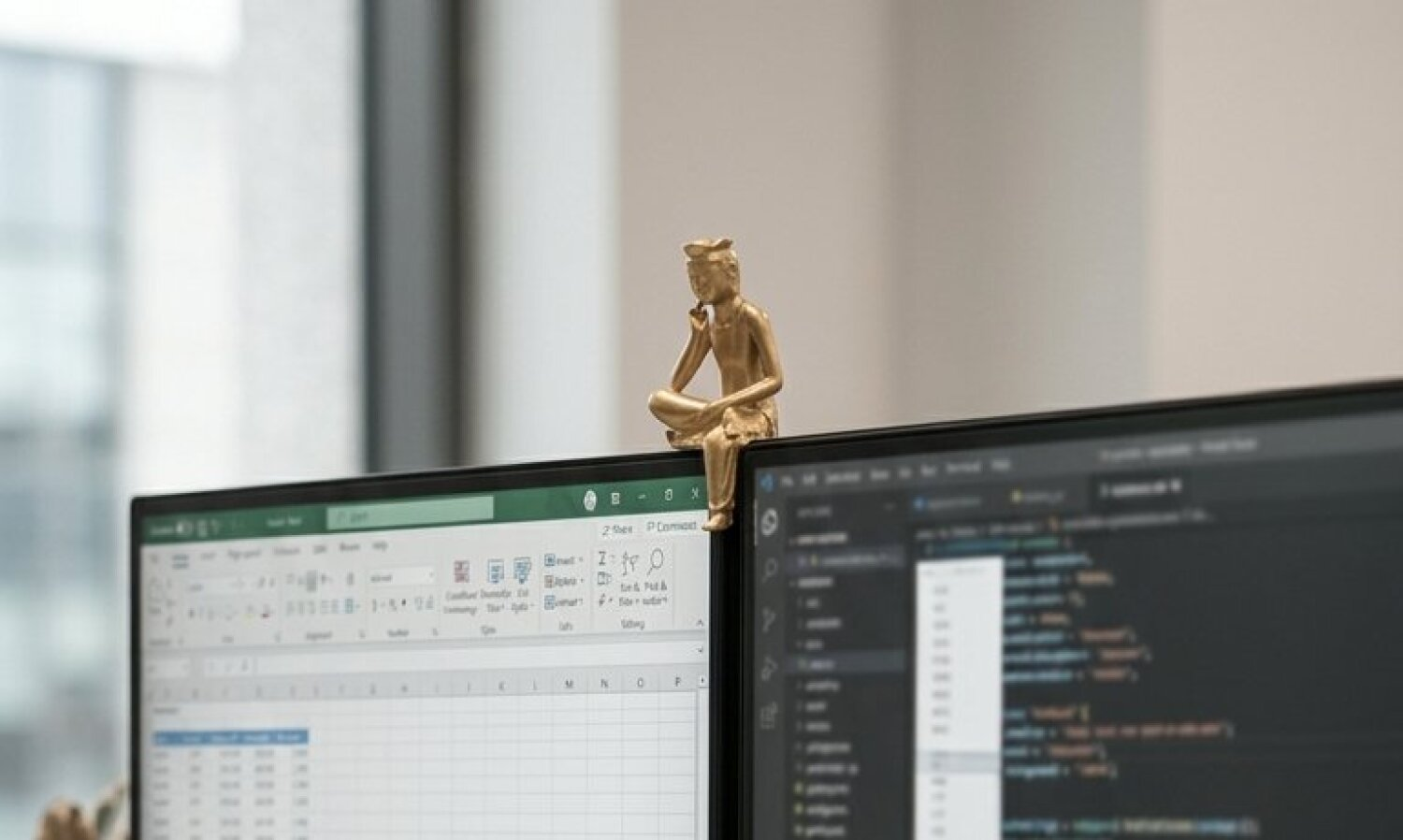
A mini model based on Korea’s National Treasure, the “Seated Buddha in Meditation,” achieved an astonishing 20,196% funding rate from 418 backers, with an average contribution of approximately 320,000 won (about $230). The high price did not hinder the campaign’s success.
This is the purest expression of aesthetic sensibility. Backers were not purchasing for practical functionality, but rather to create a personal space that reflects their unique taste and alleviates daily stress. Choosing museum-quality artwork to enhance the quality of daily life is the very essence of aesthetic sensibility—and it makes the high price tag irrelevant.
| Category | Key Rewards | Number of Backers | Amount Raised |
|---|---|---|---|
| Character Merchandise | Miniature Statue of the Half-Lotus Contemplation Pose | 418 | 109.8 million KRW |
[Tech & Electronics] NuPhy Air75
NuPhy has perfectly timed its entry into the wave of desktop aesthetics. Keyboards used to be judged solely on typing feel and technical specifications, but NuPhy has taken the lead by prioritizing aesthetics: its compact,low-profile design paired with vibrant colors makes it look more like a design piece than a computer peripheral. Yet it doesn’t sacrifice performance, backing up this striking design with a truly outstanding typing experience and functionality. This combination of aesthetics first and functionality second achieved a funding rate of 36,242% and attracted 2,426 backers.
The subsequently released “Pink Mint Limited Edition,” featuring the same design in a new color scheme, also achieved a funding rate of 9,220% and garnered 723 backers. The new model, with upgraded specifications, continues to attract the same fan base.
| Category | Core Rewards | Number of Backers | Amount Raised |
|---|---|---|---|
| Technology & Electronics | AIR75 Mechanical Keyboard | 2,426 | 362,420,000 KRW |

[Fashion] LLOYD Smartwatch Straps
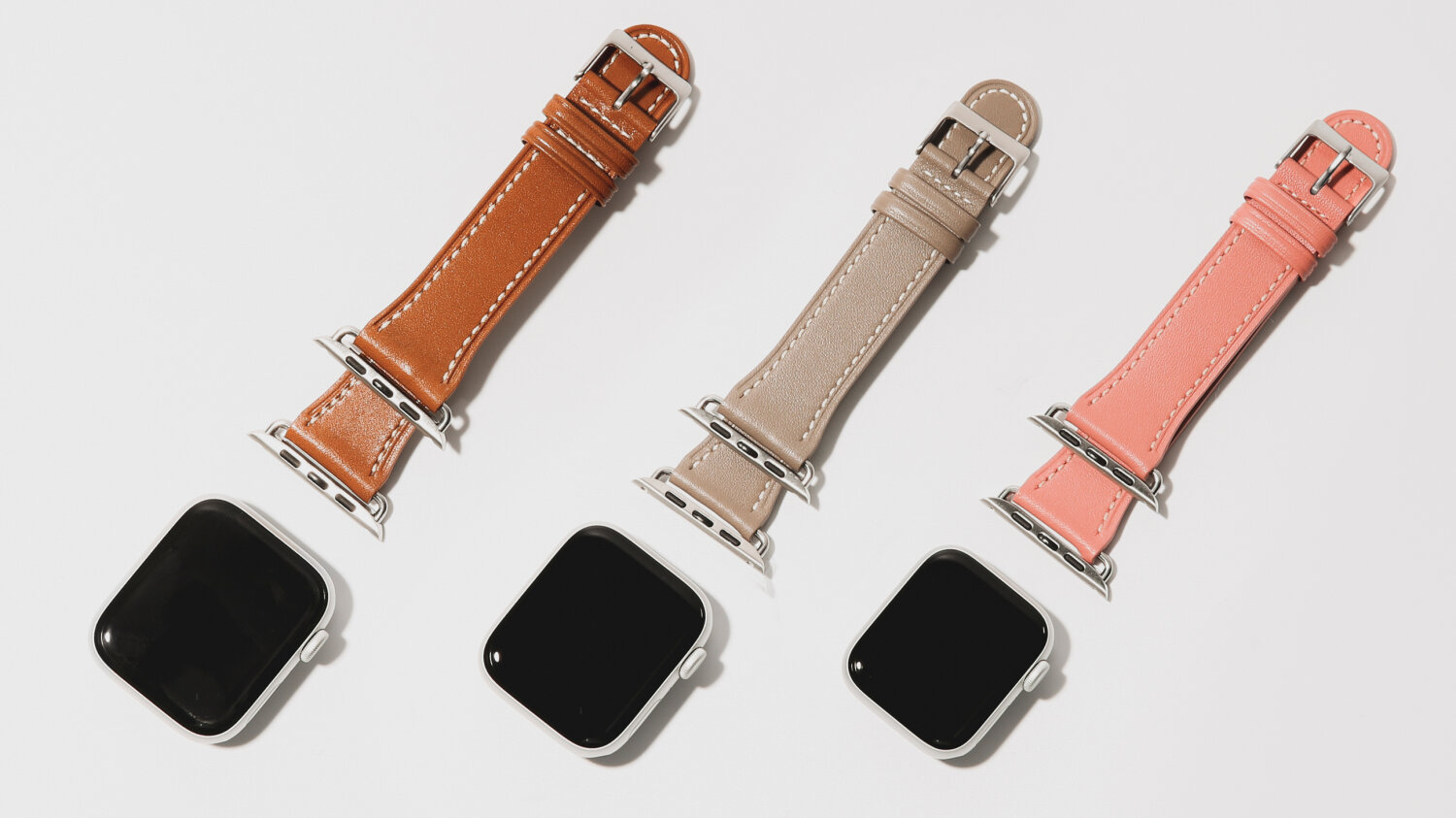
LLOYD has completely transformed the way consumers view smartwatches—no longer as mere electronic devices, but as wearable fashion accessories. LLOYD focuses entirely on the watch straps, using high-quality leather imported from Italy and France and offering eight color options, elevating the smartwatch experience to a whole new level. The project attracted 1,371 backers, with an average contribution of approximately 70,000 won(approximately $50), and subsequently launched a successful second crowdfunding campaign (encore crowdfunding).
| Category | Core Rewards | Number of Backers | Amount Raised |
|---|---|---|---|
| Fashion | Leather Smartwatch Straps (8 Colors) | 1,371 | 85.3 million KRW |
All of the above cases are featured in Wadiz’s “MIGAM” curated collection
To reflect this trend, Wadiz continues to curate a global collection titled “MIGAM.” It brings together everything from accessories featuring traditional craftsmanship to design-driven desk accessories and wearable products, all under the theme of “aesthetic sensibility”. Most of the examples in this article are featured in this collection. Creators who want to confirm whether their products align with this trend can start by browsing the collection to understand the overall aesthetic of the curated products.
➡️ View the MIGAM Collection
Frequently Asked Questions (FAQ)
Q. Do overseas creators need to obtain a South Korean business license to launch a crowdfunding campaign on Wadiz?
A. Creators located outside of South Korea do not need to register a South Korean legal entity or obtain a South Korean business license to launch a crowdfunding campaign on Wadiz. You simply need to have a valid business registration in an eligible country (e.g., the U.S.,China, Hong Kong, Japan, Germany, Singapore, Poland, Australia, or South Korea) and complete KYC verification via Stripe Connect or PingPong Payments according to your country’s requirements. For the full process, please refer to“How Overseas Creators Can Launch a Crowdfunding Campaign on Wadiz.”
Q. Can creators launch a crowdfunding campaign with just a sample (prototype)?
A. Yes. Creators can launch a crowdfunding campaign on Wadiz with just a single sample—or even just a concept. Since Wadiz is a reward-based crowdfunding platform, backers are pre-ordering a product that will go into production only after the campaign ends, rather than purchasing ready-made goods,it is therefore possible to launch a campaign even at the prototype stage. However, Wadiz also emphasizes that creators need to demonstrate basic feasibility to gain supporters’ trust. Even without a final product, creators should provide a clear production and shipping plan, a sincere story explaining their creative vision and delivery methods, and sufficient images or videos so that supporters can accurately understand the rewards and avoid exaggerated claims.
📍 Explore more trend insights
Get started right now on Wadiz.
A step-by-step guide from preparation to successful fundraising—now available on the Wadiz Maker Center.