Wadiz Funding Success Guide | A 4-Step Guide to Designing a Product Page That Leads to Successful Funding
Last Updated: July 24, 2026
A 4-Step Guide to Designing a Funding Page with a Strong Story That Drives Conversions
Grab Attention → Benefits → Trust → Reason to Purchase: The Flow Followed by 105 Successful Projects
This is helpful for people like this
- Makers who feel overwhelmed about where to start and how to structure their campaign page
- Makers who list so many product benefits that they end up failing to highlight a single key selling point
- Makers who are worried about how to build trust because they lack sales records or reviews
Don’t Miss These Key Takeaways!
- 59% of success stories followed theexact 4-step flow: “Grab Attention – Highlight Benefits – Build Trust – Emphasize the Reason to Buy.”
- 66%of high-revenue stories used specific numbers in their opening paragraphs.
- It’s fine to condenseyour key benefits into just two.
An analysis of 105 projects on wadiz that raised over 10 million won revealed that 60% of them followed a four-step flow: “Grab Attention – Highlight Benefits – Build Trust – Emphasize Why to Back.” Notably, the higher the project’s revenue, the more clearly this sequence was evident, proving that this flow creates an engaging story that drives supporters to make a contribution. Check out the information below to learn how to create a detailed page that captures supporters’ attention and drives funding.
1. The 4-Step Structure at a Glance
The common flow of successful detail pages is: 1) Grab attention, 2) Showcase key benefits, 3) Provide reasons to trust, and 4) Explain why to participate now. You don’t have to aim for perfection from the start. Begin by deciding on the images and text for each section based on the four steps below.
| Steps | Supporter’s Questions | Content to Include |
|---|---|---|
| 1. Grab the reader’s attention | What is this? | Key images, messages, and numbers |
| 2. Explaining the Benefits | Why is it good? | Two key features, comparison chart, usage scenarios |
| 3. Building Trust | Can I really trust this? | Tests, Reviews, Development Process |
| 4. Reasons to Buy | Why Should I Pay Now? | Price, Benefits, Rewards, Shipping, FAQ |
2. Step 1: Introduction—Give Visitors a Reason to Keep Reading from the First Screen
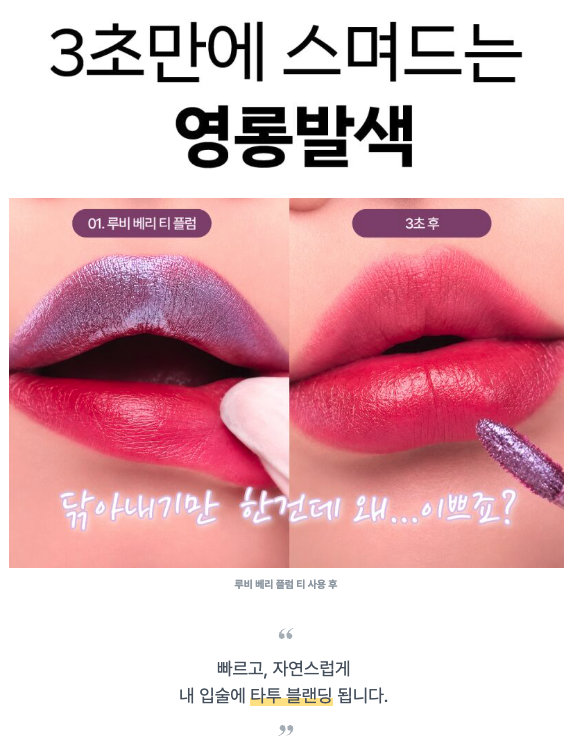
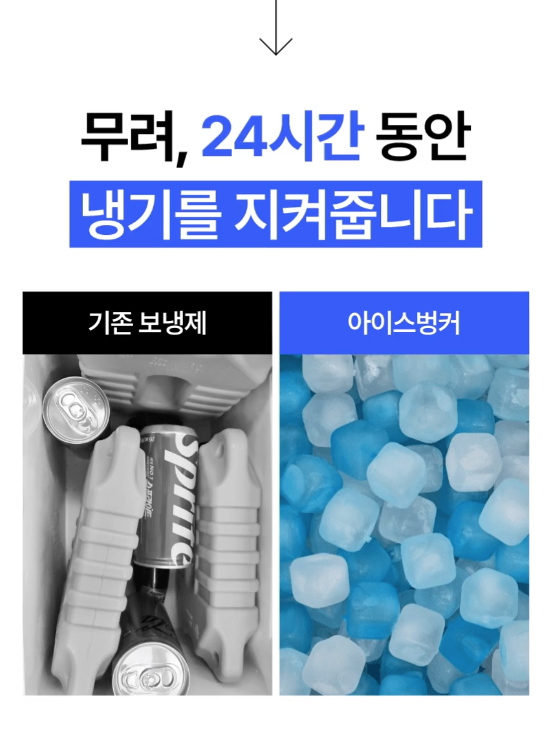
Supporters viewing the product page for the first time decide within a few seconds whether to continue. Instead of cramming the first screen with text, it’s best to feature just one powerful image and a single line of your core message.
66% ofhigh-revenue stories used specific numbers in their introduction.
- Used by 130 million people worldwide
- Cumulative revenue of 20 billion won
- 95 beta testers participated
- 1,200 hours of development
- Completed after three failed attempts
It’s okay even if your brand has no sales history yet.Numbers that showcase the process—such as development time, number of tests, or number of participants—can also make for a compelling introduction.
Try structuring your first screen like this
- 1 key image or GIF
- One key message
- 1 specific number
|
Example 1. Tissue-Off Lip Tattoo
|
Example 2. Unmelted Ice, Ice Bunker
|
 |
 |
3. Step 2: Explaining Benefits—Condense to Two Key Features
Even if your product has many benefits, explaining them all with equal emphasis on the detail page will dilute the core message. 48% ofhigh-revenue Stories condensed their key benefits into two, while structures that highlighted three or more benefits were more common in projects with lower revenue.
First, think about the questions below. Based on your answers, focus your explanation on two key benefits and organize the remaining benefits as supplementary information.
- What is the biggest reasonto buy this product?
- What is the most distinct differencecompared to other products?
When explaining benefits, “comparable information” is more important than atmospheric, emotional photos. In particular, high-sales product detail pages used comparison charts and data graphsmore frequently than simple atmospheric photos.
| Categories | Items Worth Comparing |
|---|---|
| Fans & Heaters | Noise Level, Airflow/Heat Output, Run Time, Weight |
| Bags & Backpacks | Storage Capacity, Weight, Material, Warranty Period |
| Beauty | Pre- and post-use measurements, ingredient content, test results |
| Home & Living | Capacity, Size, Material, Ease of Use |
| Sports & Outdoor | Weight, Durability, Waterproofing & Windproofing, Usage Environment |
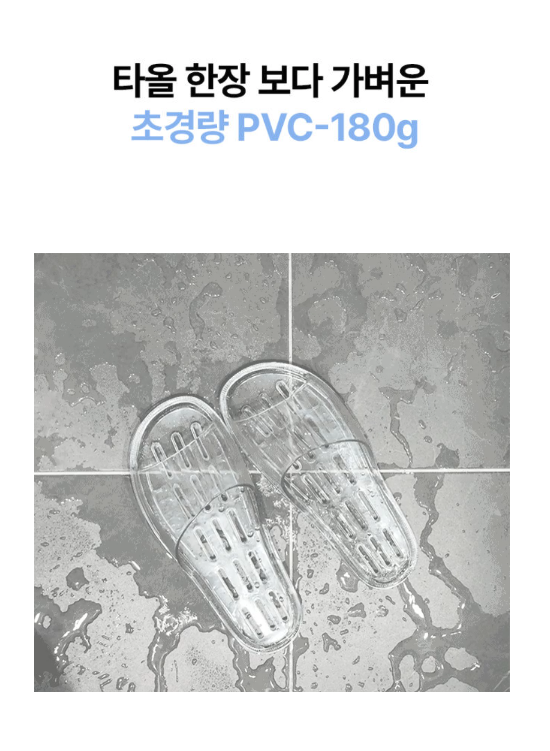
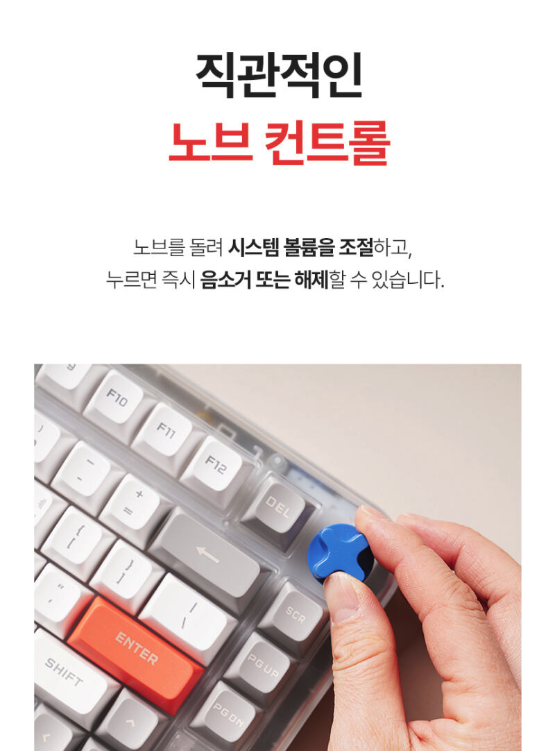
Instead of abstract descriptions, provide information that evokes real-life usage scenarios and use practical images that effectively convey this visually.
|
Example 1. Premium Antibacterial Bathroom Slippers
|
Example 2. RGB Wireless Keyboard
|
 |
 |
4. Step 3: Building Trust: Answering Supporters’ Questions
All high-revenue stories included a section dedicated to building trust. The key isn’t to include a lot of certifications, but to accurately answer the questions supporters are likely to have. Evidence for building trust can be divided into three categories.
① Product Evidence: “It really works like this! Here’s how it works!”
Resources you can use: test reports, certificates, patents, comparative tests, in-house experiments, and before-and-after measurement results. If there’s no official certification, you can conduct your own experiments.
- 48-hour water resistance test
- 10-day temperature variation measurement
- 100-cycle durability test
However, disclosing the experimental conditions and methods will increase credibility.
② Utilizing Reviews: “Other people were satisfied too!”
Resources you can use: Beta tester feedback, expert comments, before-and-after photos, and interviews with actual users. If this is your first project, a beta test with clearly defined conditionsis far more effective than testimonials from acquaintances.
Example
- 30 women in their 20s and 30s used it for 4 weeks.
- Ten dog owners tested it for one week.
③ Maker’s Story: “This is why I created our brand and product”
Resources you can use: Development process, prototype evolution, records of failures, motivation for starting the business, and production philosophy. This serves as proof that you can create something even without a track record of sales.
Example
- After three failed prototypes, we reduced the weight by 20%.
- After enduring the same inconvenience for 10 years, I decided to make it myself.
Check out the materials you can use for each category.
| Category | Frequently Asked Questions About Supporters | Useful Resources |
|---|---|---|
| Fashion | Will it fit me well? | Wearer Reviews, Photos by Body Type |
| Tech & Home Appliances | Is it safe and reliable? | Certifications, Testing, Warranties |
| Beauty | Are There Actual Results? | Ingredients, Test Results |
| Home & Living | What if a problem arises while using the product? | FAQ, Exchanges & Warranty |
| Sports & Outdoor | Will it last a long time? | Durability Testing, Quality Guarantee |
5. Step 4: Wrap-up—Summarize Why Backers Should Support the Funding Campaign Now
It’s best to structure the conclusion of your detail page in the following order.
- Rewards Package and Benefits
- Shipping Schedule
- Frequently Asked Questions
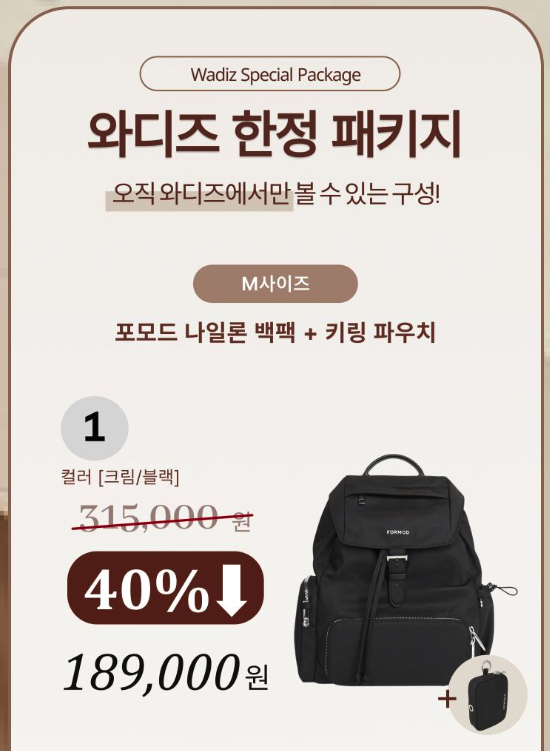
Especially when explaining the rewards structure and pricing, focus on presenting compelling benefits and rational reasons to participate in the funding campaign now, rather than relying on emotional cheers. 66% ofhigh-revenue Stories used specific numbers to explain this section.
- 36% off the regular price
- Daily cost: 1,000 won
- Cheaper than a monthly subscription
- Saving 20,000 won with a bundle compared to individual purchases
|
Example 1. Parklon Momssok Puzzle Mat
|
Example 2. PoMode Unisex Backpack
|
 |
 |
6. Final Checklist for the Detail Page
Once you’ve completed the detail page, review the items below.
☐ Have you structuredthe pageaccording to the 4-step flow: “Grab Attention – Highlight Benefits – Build Trust – Emphasize Why They Should Buy”?
☐ Thefirstscreen displays an image and a one-line key messageright away.
☐ I’ve condensed themostimportant benefits to two or fewer.
☐ The page includes at least oneof thefollowing: acomparison chart, test results, or customer reviews.
☐ If this isa new brand, the page showcases the development process or beta testing.
☐ The price and benefits are explained using numbersat the end.
☐ Rewards, shipping, and FAQsare organized in that order.
Frequently Asked Questions (FAQ)
Q. What is the difference between a standard online store product page and a funding product page?
A. A typical online store product page mainly explains the product’s features and price. A funding product page must go furtherto explain why this product was created and why people should back it now. That’s why you need not only “product evidence” but also “maker evidence.”
Q. What if I don’t have any sales records or reviews?
A. Start by preparing one of the following: product testing results, beta tester reviews, or details about the development process. Even without sales records, you can build trust through the evolution of your prototype, a history of failures, or your own internal testing.
Q. Is it okay if the content gets too long?
A. It’s best to keep the introduction short and gradually add more necessary details as you go along. Start the first screen with an image and a single line of text, and save information essential for making a decision—such as pricing, shipping, and FAQs—for the end, where you can explain them thoroughly.
Q. How should I write the introduction if I don’t have any major performance metrics?
A. Use numbers derived from the process, such as development time, number of tests, number of prototypes, or number of beta testers. What matters isn’t the size of the number, but its specificity. “95 beta testers used it for 4 weeks” is much more impactful than “many people use it.”
Start your funding campaign and get up to 90% off fees
Start with wadiz. Just Start on wadiz.