[Wadify #11] “Thanks to the funding, we were able to understand who our customers are.” Social Venture Project Memory
What is Wadipay?
"Miracles don’t just happen."
We’re carefully compiling the success stories of makers who have successfully completed funding efforts and sharing them widely, just like Wi-Fi, to bring new miracles to aspiring makers.
Wadiz: Hello! First, could you please introduce Project Memory?
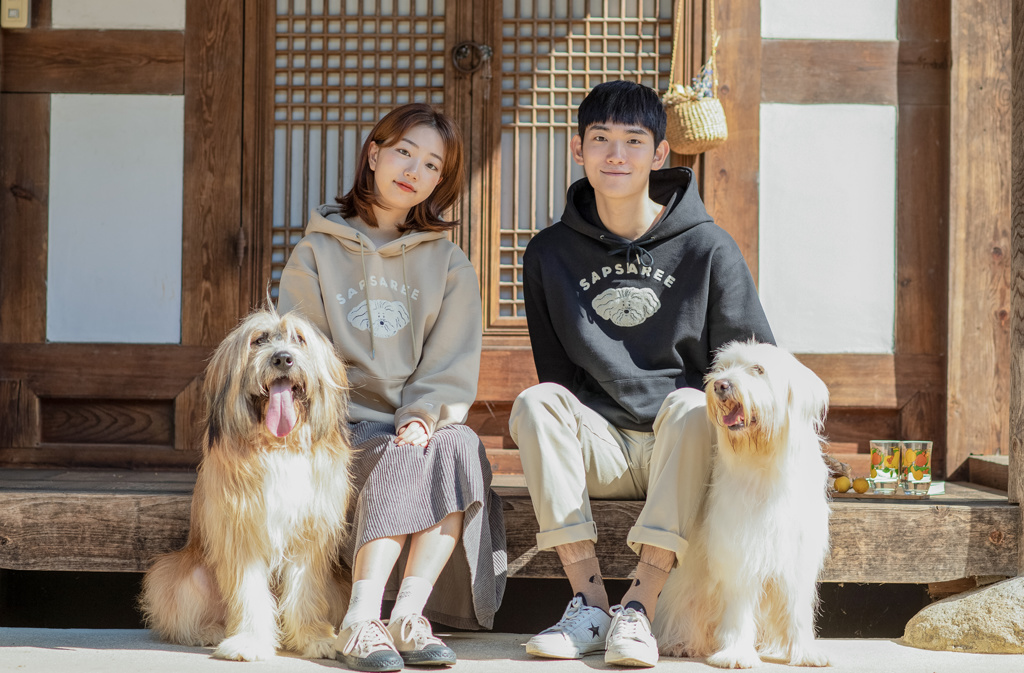
Project Memory: Hello! We are Project Memory, a social brand that tells the stories of marginalized memories in society, culture, and history. We operate with the social mission of creating a better society through the redistribution of memories. We sell fashion goods that embody these marginalized memories and operate a virtuous cycle where a portion of the profits is reinvested to address these issues.
How did the project memory come to be?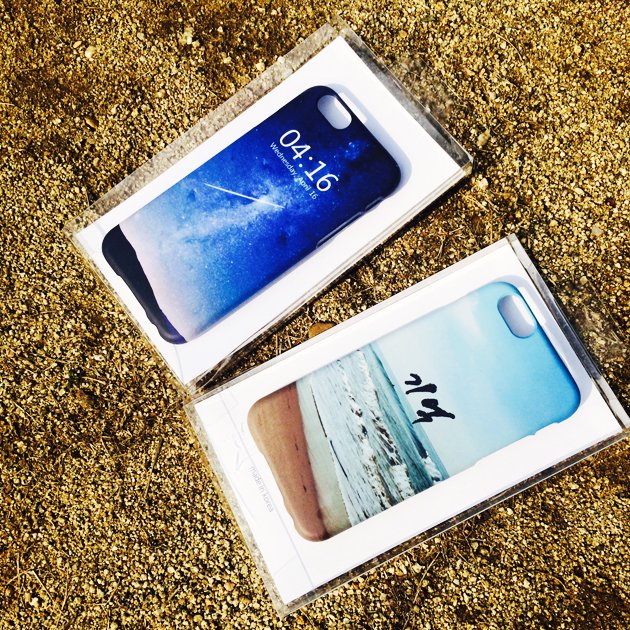 In early 2015, four of my college classmates and I were discussing our grief over the Sewol Ferry disaster when we wondered, “Isn’t there a way we can comfort them in our own way?”
After much thought, we realized, “If we could capture those memories and convey them through cell phones—the devices modern people use most—people could remember the Sewol Ferry in their daily lives.” So, we designed our own cell phone cases and launched a funding campaign to spread the word.
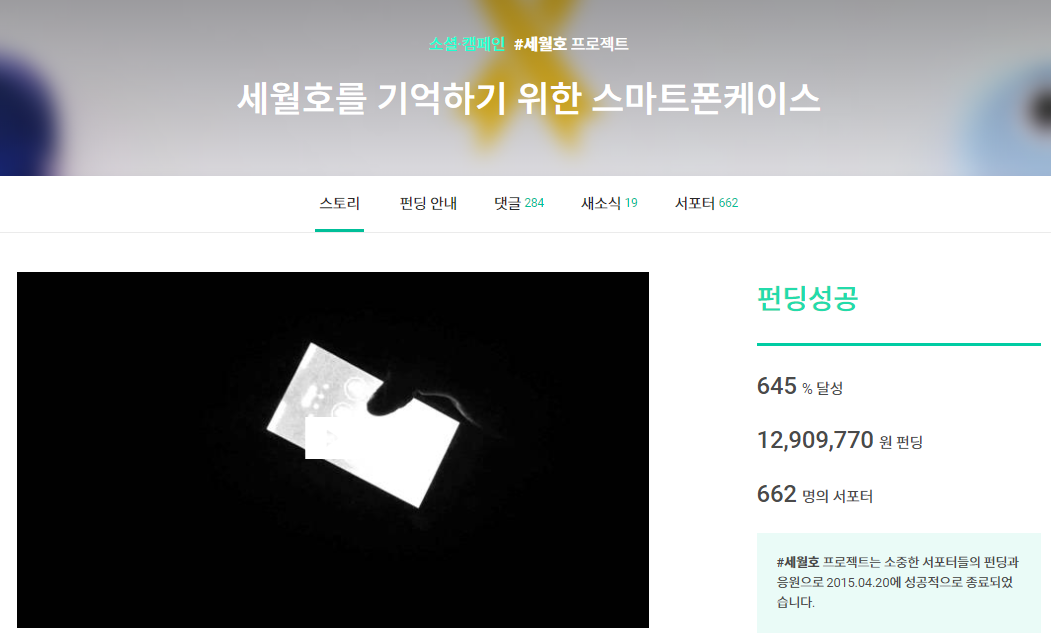
For about a month, we ran our first “Memory” project, *Remembering the Sewol Ferry*, on wadiz and raised 13 million won through funding. After deducting production costs, we donated all of the net proceeds to the 416 Memory Archive in Ansan.
Over the next three years, I carried out three more projects, which allowed me to experience firsthand the immense power that comes from the accumulation of small memories. Naturally, I began to take an interest in other marginalized issues that also need to be remembered. To address these issues, I officially launched my company in 2017, and I’ve been consistently working to incorporate marginalized memories from society, culture, and history into fashion goods.
You’re doing work that helps people easily remember those who are often forgotten—from the victims of the Sewol Ferry disaster to elderly people living alone, Dokdo, and the Sapsal dog. Is there a particular reason you chose fashion goods as your medium?
Actually, I believe the topics we address are ones that anyone in South Korea would consider important. However, we lead such busy lives that it’s not easy to naturally think about these issues in our daily routines.
So, we thought about ways to incorporate these neglected memories into our daily lives, and as a result, we came up with the idea of weaving these stories into a variety of fashion items that anyone can carry with them.
I suppose how you choose to capture a particular memory is also important.
That’s actually the part we still find most challenging, and it’s also where we spend the most time when working on a project. First, when selecting a memory, the message answering the question, “How should we remember this topic?” needs to be clear.
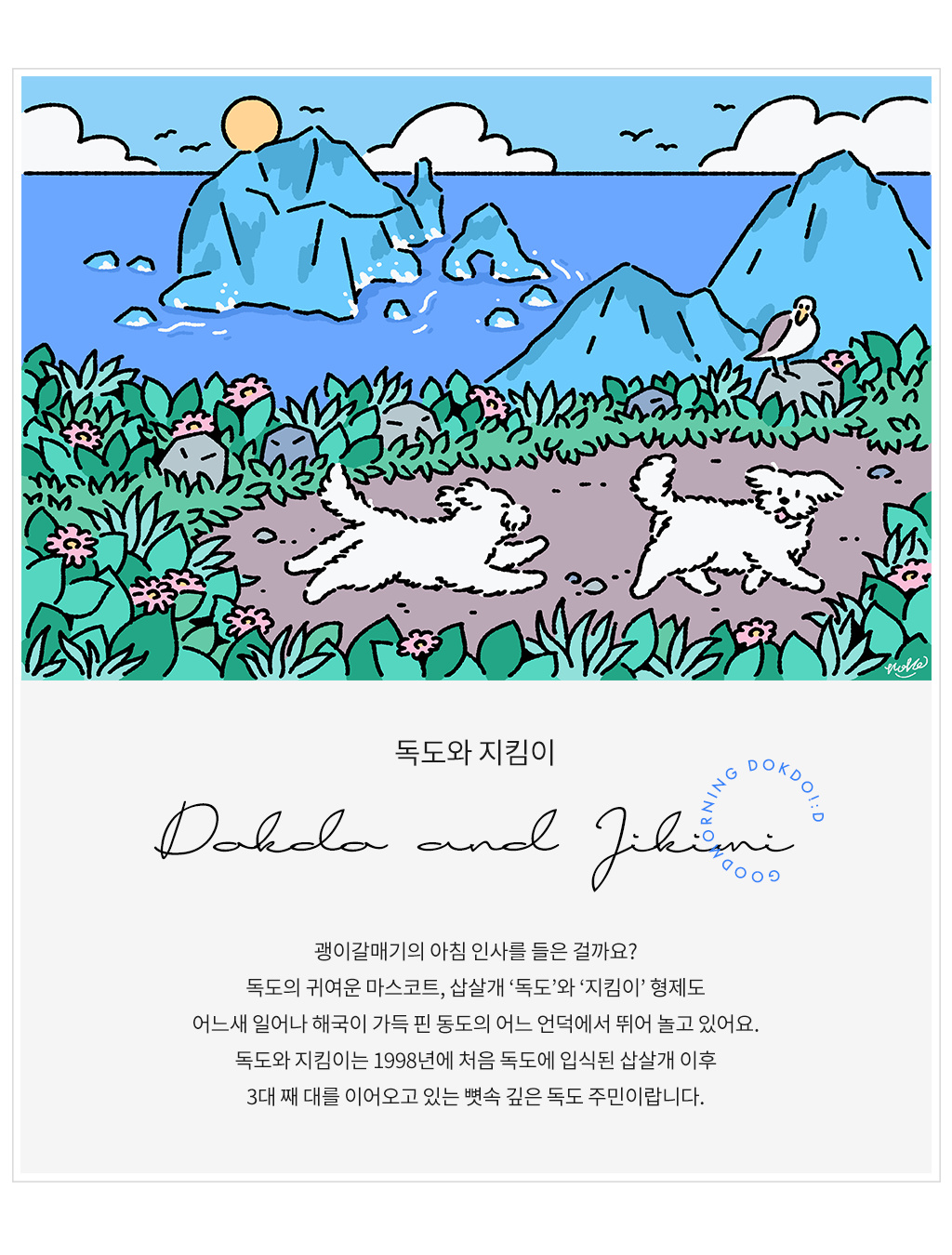
In the case of the <GOOD Morning Dokdo> project, which we carried out twice—last year and this year—we aimed to convey the message that we should remember Dokdo not as an abstract concept but as a place of daily life, through stories of everyday life on the island. The <OUR Sapsari> project, which concluded a few days ago, sought to convey the message that we should remember the story of the Sapsari dog (Natural Monument No. 368), a breed that endured a painful history and has returned to our side.
Once a theme is selected, we choose and design merchandise that best conveys the message we want to share. We primarily produce items that cater to the needs of the 10s and 20s demographic. We spend a great deal of time carefully considering the details—such as colors and fabrics—related to the selected theme before finalizing the designs.
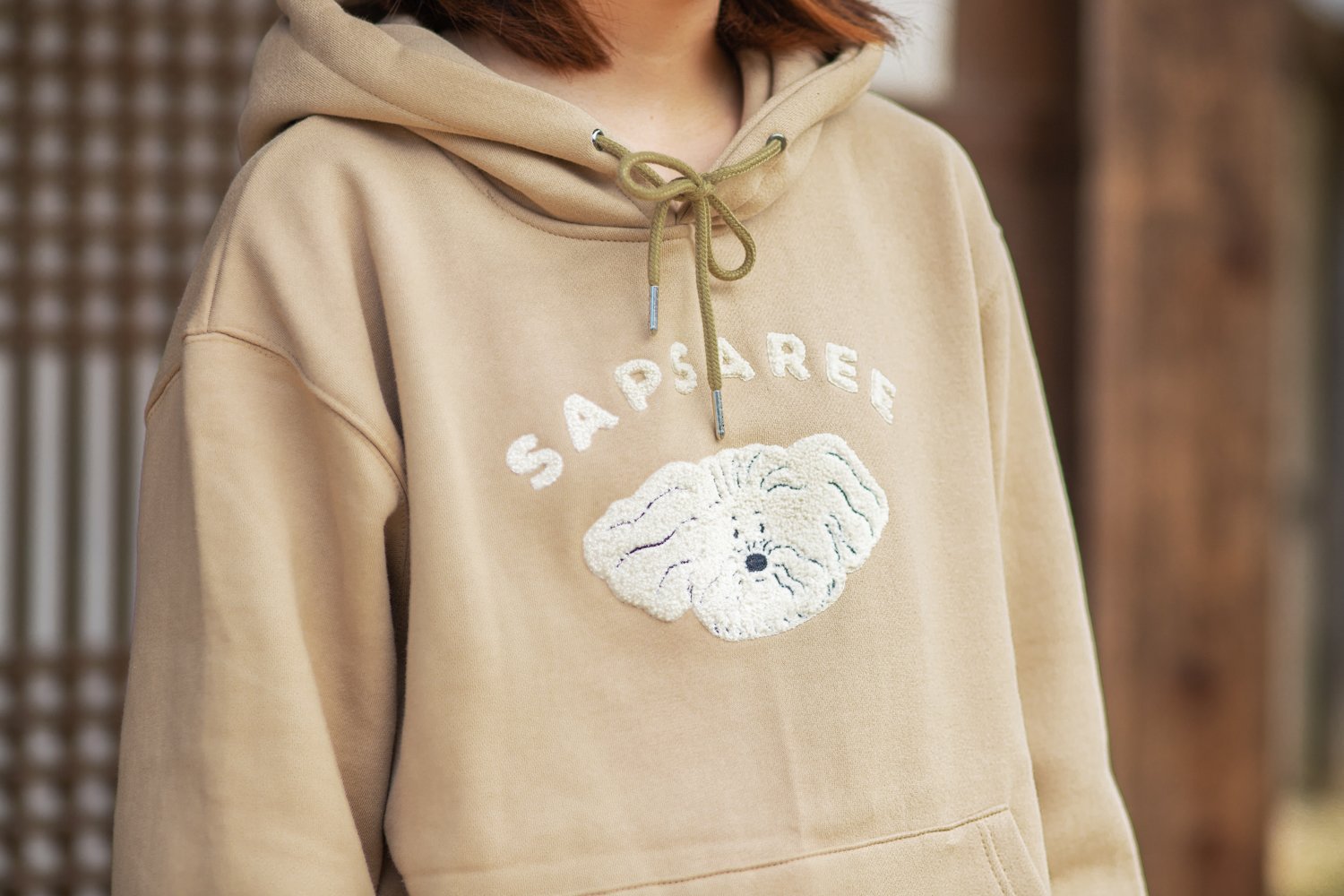
One of the “Our Sapsari” rewards, the hoodie, used a puff embroidery technique to depict the Sapsari’s fluffy fur, which helped maximize the dog’s cuteness.
Many people approach social ventures with the assumption that if they create a product with good intentions, people will naturally recognize its value. But the reality is different, isn’t it? We need to convey the message effectively while ensuring the product itself maintains high quality. That’s why I believe we must pay close attention to every step of the product development and manufacturing process.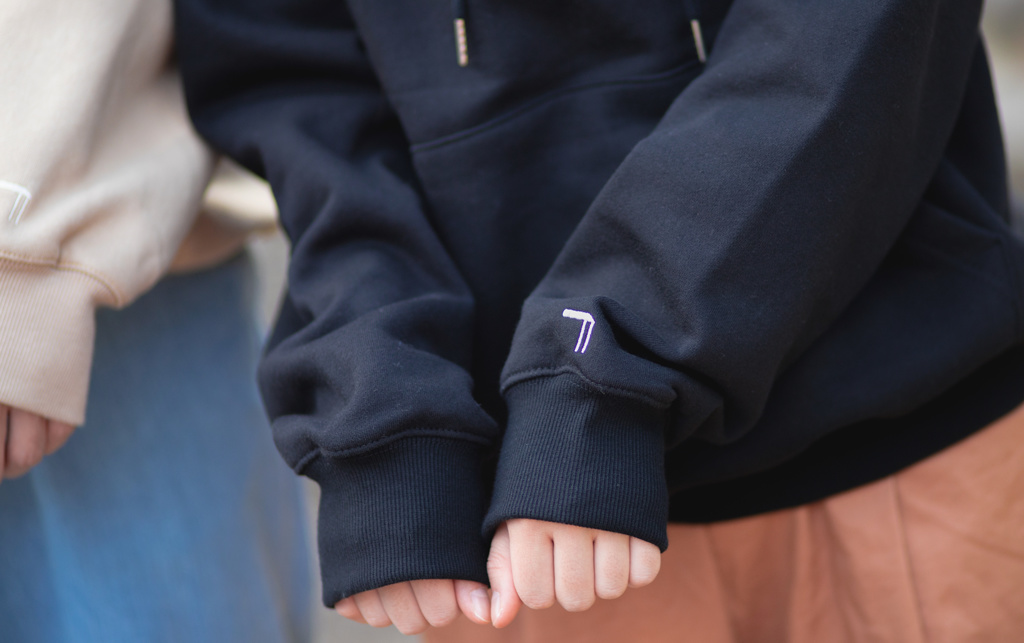 Yes, that’s right. I believe the quality of the Rewards must match the sincerity of the message we’re trying to convey. After all, if clothing that embodies forgotten memories stretches out after just a few wears or falls apart easily, those memories might be lost forever.
That’s why we personally oversee every step of the production process—from the fabric selection to the finishing touches—and pay close attention to product quality. Recently, I’ve been really proud to see more and more comments on the wadiz comment section saying that the clothes are so beautiful and of such high quality, alongside those expressing empathy for the project’s meaning.
You probably hear people say that social ventures with a mission like the Project Memory project must have a hard time turning a profit. Plus, I understand that all proceeds from the funding campaign are donated. Isn’t it difficult to generate a profit while running a business?
About 20% of our net profits are used to address the issue of marginalized memories, and the remainder goes toward activities to uncover and raise awareness of other marginalized memories. Of course, it’s true that our profit structure is weaker compared to typical clothing brands. However, thanks to the support of many people who believe in our sincerity, we are currently receiving various forms of support from organizations such as LH Social Venture.
That’s why we’re constantly exploring ways to sustain this model so that these neglected memories can gain more recognition and, ultimately, serve as a cornerstone for resolving these issues.
One way to sustain this effort seems to be crowdfunding. You’ve already run five funding campaigns under the name “Project Memory.”
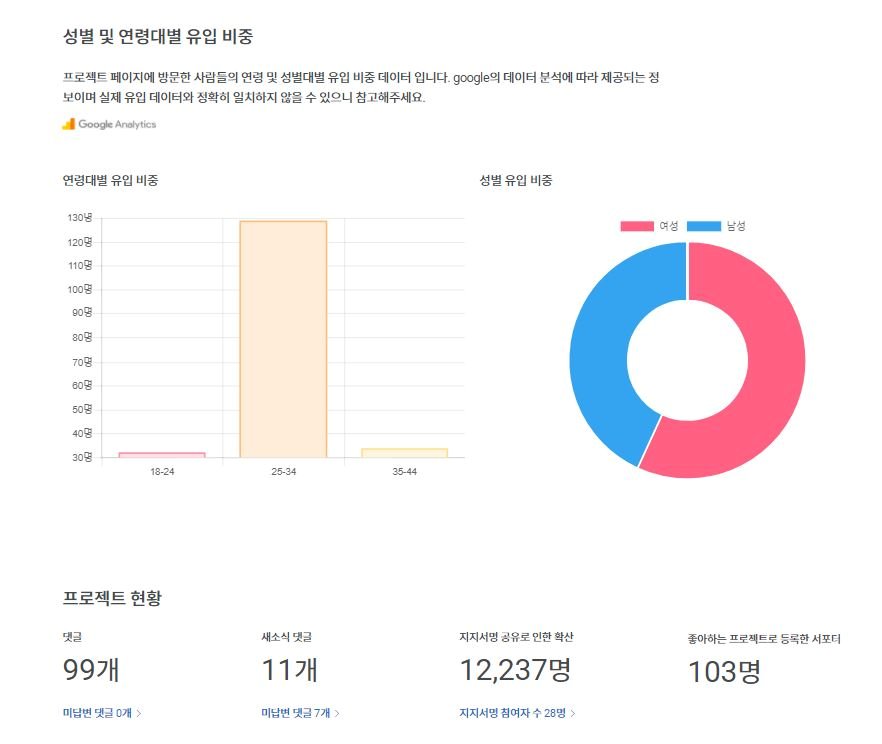
<WADIZ Dashboard>
At first, we chose wadiz for seemingly simple reasons: you can start with zero capital—all you need is a computer, a maker’s vision, and a Story to convey it. Since we receive funding from supporters first and then produce Rewards based on the amount raised, there’s no need to worry about inventory.
However, as time passed and we gained more funding experience, we discovered another major advantage: the “Dashboard Analytics.”By using this dashboard to see exactly which supporters were participating in our project, we were able to plan our marketing strategies more efficiently and define our target audience more clearly.
I think it’s fair to say that we now run funding campaigns primarily to gather data and test marketing strategies.
I’ve found that data becomes increasingly important as the scale of the project grows. Are there any other benefits you’ve gained from funding?
I gained two things: “confidence,” knowing that the story of the project memory can reach anyone, and “prudence,” as I’ve come to manage the project memory with even greater care in proportion to the love we’ve received.
Do you think wadiz funding can help social ventures like Project Memory?
Yes, absolutely. From my experience, wadiz supporters value the values embedded in a product just as much as its functionality. There’s a lot of overlap with the customer base of social ventures and brands. That’s why I think wadiz funding is a great opportunity to secure a wider customer base and even conduct market analysis. If you’re considering it, I’d definitely encourage you to give it a try.
I heard that Project Memory’s first funding campaign began in 2015. You’ve been running Project Memory steadfastly for three years now—have you faced any challenges along the way?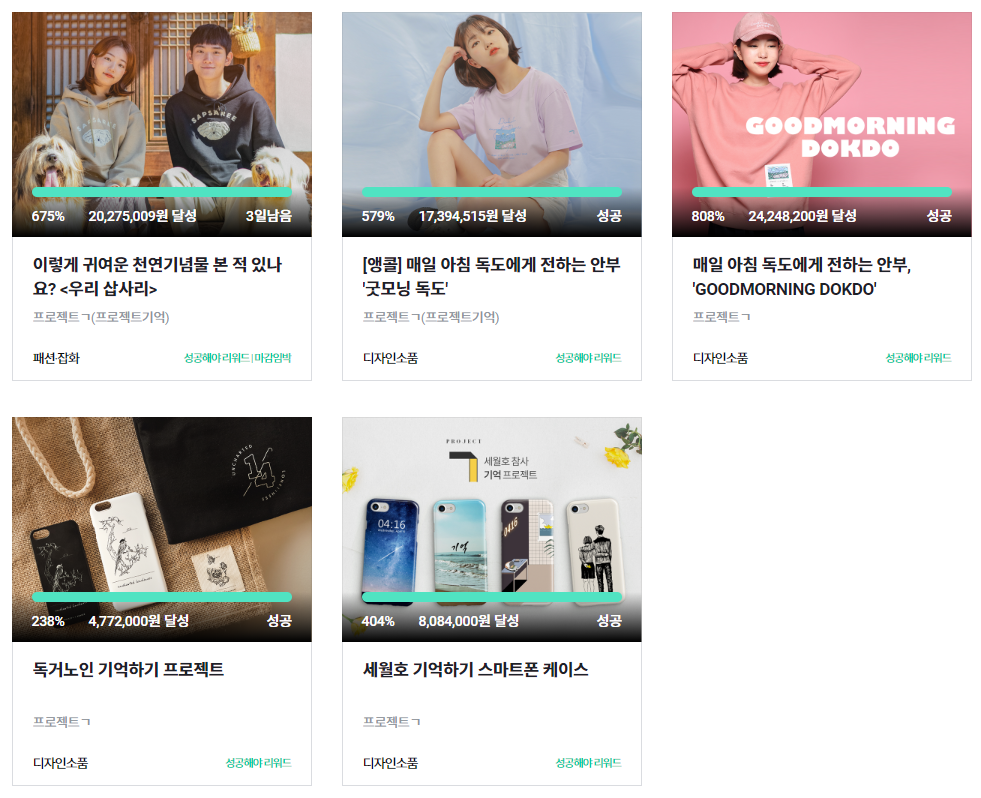 It never ceases to amaze me that what started as a college club has now grown into a full-fledged company. We began with phone cases and gradually expanded our product line; now we’re producing clothing. I think the period when we first started making clothes was probably the toughest. I remember countless days when I’d head to Seoul on a whim, get completely overwhelmed by the intense energy of Dongdaemun Market, and end up returning to Daegu empty-handed.
Since your brand conveys heartwarming stories, I imagine you must have some touching anecdotes to share.
In April 2017, after wrapping up the “3rd Sewol Ferry Memorial” project, I was packing Rewards at the office when I received a call from a soldier who was on leave. He told me he had called us as soon as he turned on his phone, expressing how happy and grateful he was to be able to participate in such a meaningful cause.
I remember staring blankly for quite a while after receiving that call. It was a moment when, along with a sense of relief that “we’re doing this right,” I gained confidence in the direction the project should take.
That was the moment when the message from Project Memory truly resonated. I think it means Project Memory is on the right path. What direction will Project Memory take moving forward? I believe that the greatest cornerstone for bringing about social change is the memories of each individual. I see Project Memory as building these cornerstones for change. I believe that our small actions today will become a major driving force in building a better society.
Thank you for the interview. Finally, could you share a few words for those who, like Project Memory, dream of starting a social venture?
We still have a long way to go. However, I believe that any activity aimed at solving problems in our community is, in itself, social innovation. I hope we can all see ourselves as social innovators and keep thinking deeply about how to build a better society.
-
Check out the services available for makers!
· Learn how to get started with a wadiz project
· Sign up for [wadiz funding courses] taught by funding experts