[Wadify #15] “Funding allowed me to validate my business idea and even launch my startup.” Aedren
What is Wadipay?
"Miracles don’t just happen."
We’re carefully compiling the success stories of makers who have successfully raised funding and sharing them widely, like Wi-Fi, to bring new miracles to the next generation of makers.
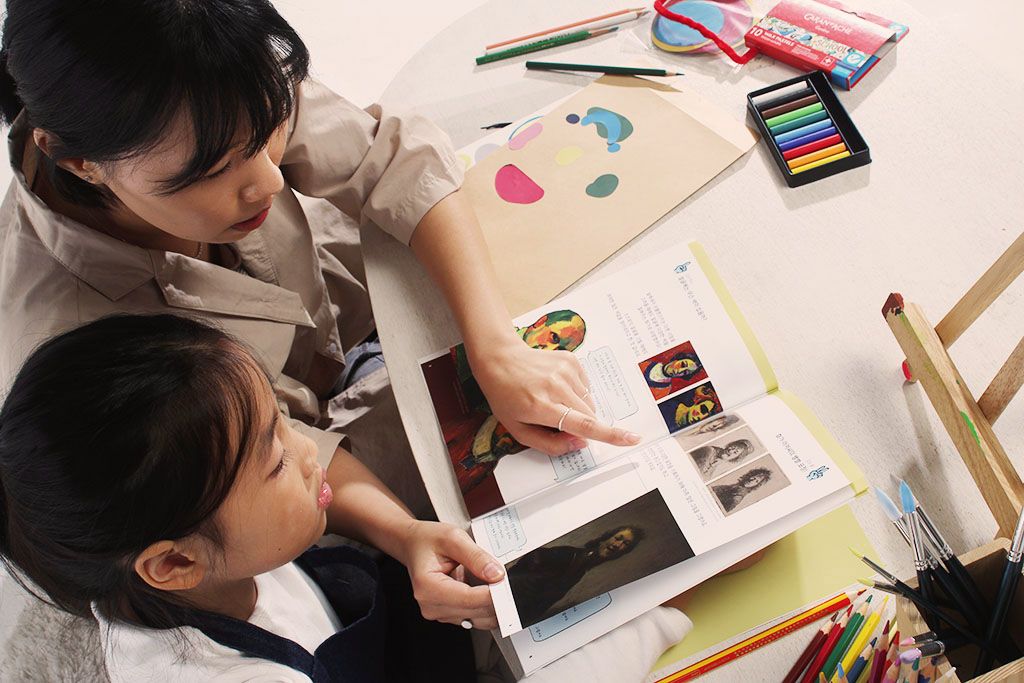
"Thanks to the funding, our art education volunteer team was able to take the leap and start our own business.
If it weren’t for the funding, we never would have imagined that the children’s drawings and stories could be loved by so many people.”
There’s a brand that incorporates children’s imagination and stories into its designs and gives them back to the children. It’s Aidron, which started as a university art education volunteer team and has since grown into a company now in its second year of operation. We met with Aidron, which has launched eight funding campaigns on wadiz and achieved a 100% success rate by succeeding in all eight!
Chapter 1. The Story Behind Aidrun’s Founding

Wadiz: Nice to meet you. First, could you please introduce yourselves?
Aidrun: Hello,we’re Kim Ji-min and Choi Jae-eun, co-founders of Aidrun. We first met at an art academy while preparing for art school entrance exams in high school, and eventually decided to start this business together.
That’s quite an unusual connection. How did you end up starting this business?
We didn’t set out to start a business from the beginning. We started as a volunteer art education team. It was a group formed by design students who wanted to try designing together with children. While teaching art to the children, we realized we could create products, so in 2015, we raised funds through a wadiz crowdfunding campaign and launched our first product.
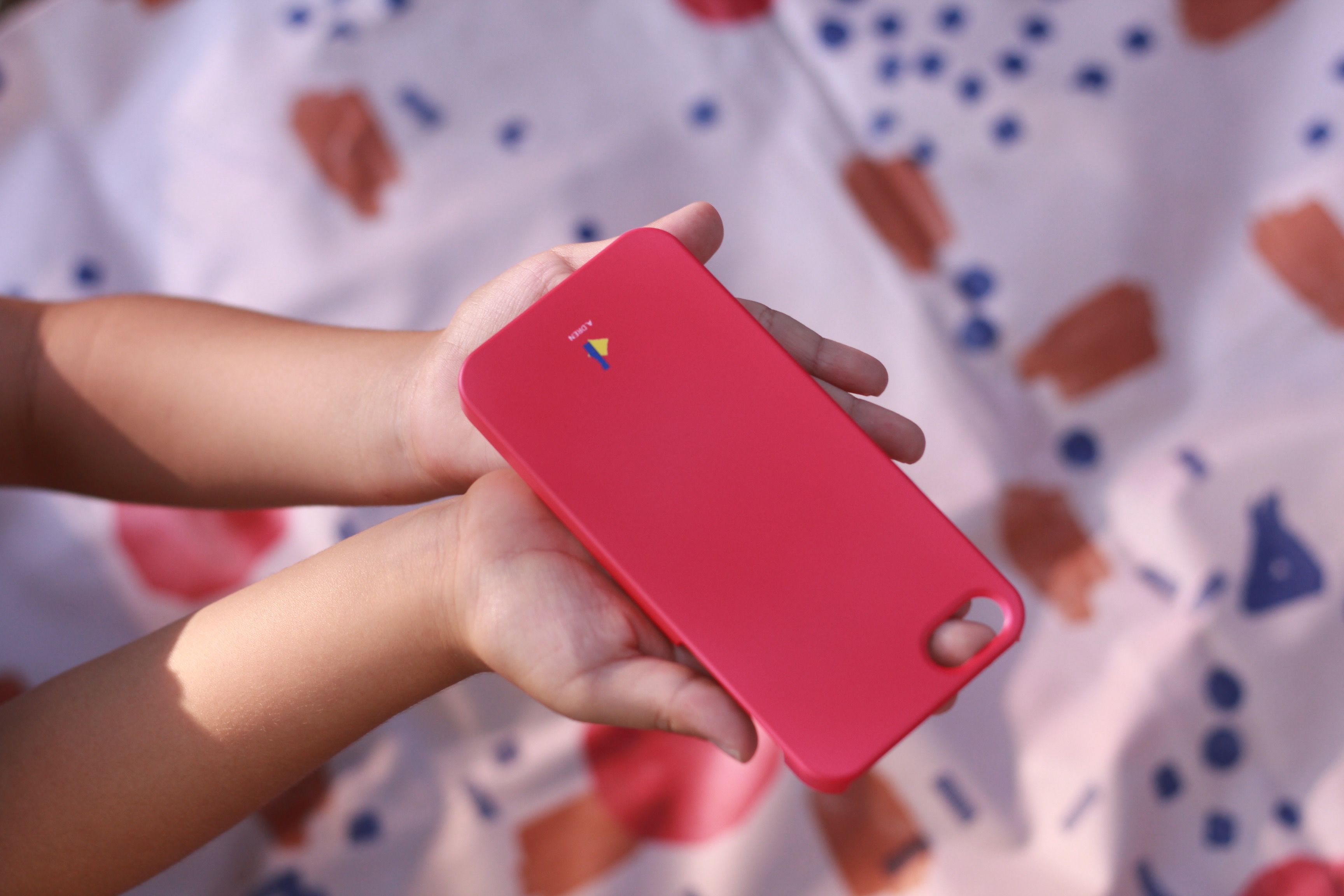
The response to our first and second funding campaigns was very positive. I was a senior in college at the time, and once I saw the potential, I realized I needed to prepare to turn this into a business. I applied for business grants and received support, and while taking entrepreneurship courses, I officially launched the design brand in late 2016.
So you didn’t start out with the goal of launching a business from the very beginning. I imagine you went through a lot of trial and error as a result.
Everything from drafting contracts to hiring staff was a constant struggle. Even when contracting with a factory to manufacture products, I assumed the owner was a good person who would handle things properly, so I proceeded without a written contract—only to have him suddenly cut off all contact. As time went on, I gradually learned the ropes.
I imagine the two of you must have relied on each other during those times. Do you have other team members now?
Currently, there are four of us working together: the two of us, plus someone who oversees art education and someone in charge of marketing.
Chapter 2. The Growth of Aidren
Aedren’s main products are fashion goods that translate children’s stories into designs. Could you explain that in a bit more detail?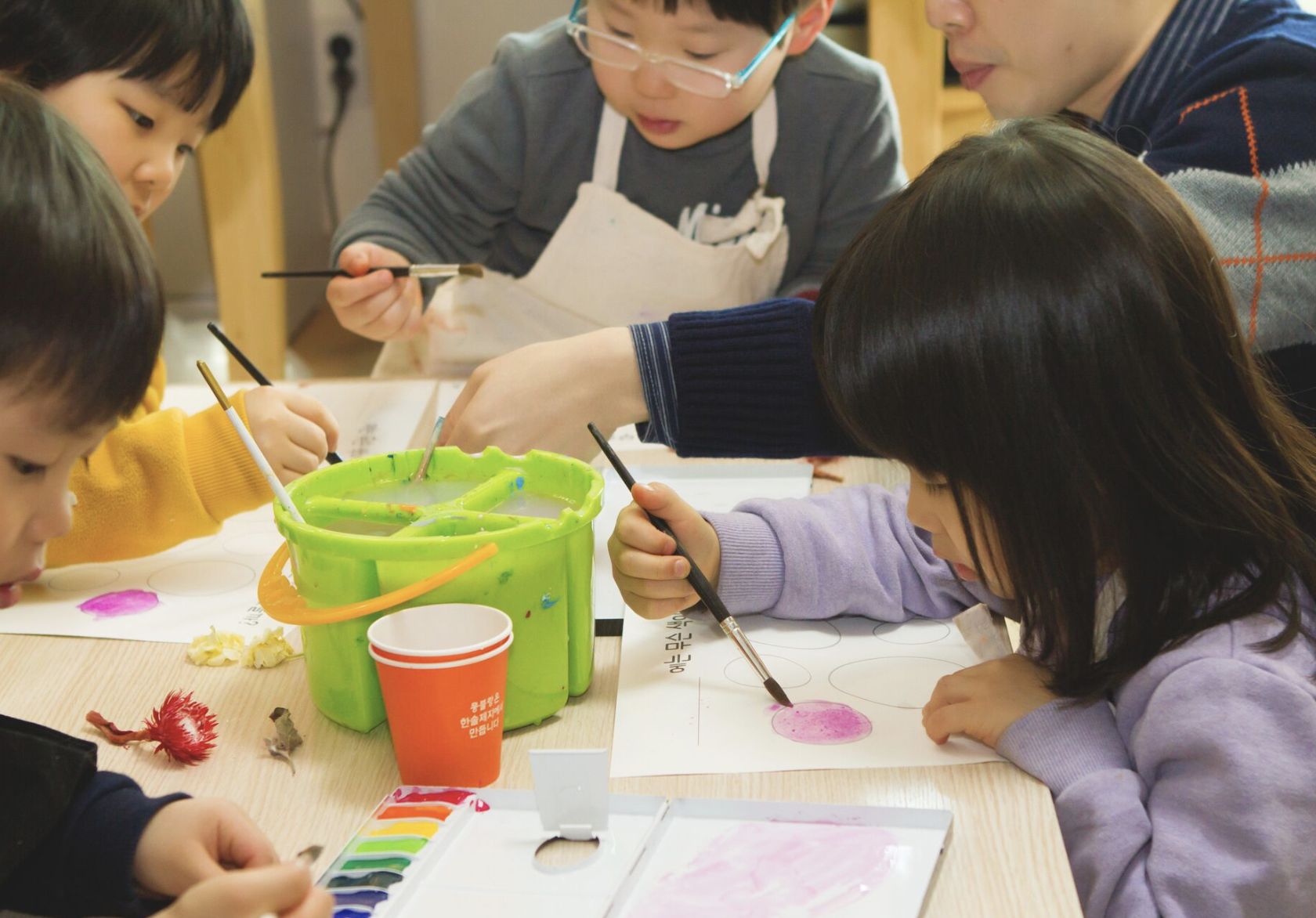 Once a month, we conduct regular volunteer art classes with our in-house education team. We pair professional art instructors with children one-on-one so they can talk and draw together to complete a piece. After the class, the instructors send us a record of the conversations they had with the children. We then select the stories that can be turned into products and design them.
So, you could say this is a process of translating the children’s imagination into design. In a way, these are items that could easily come across as childish. It must take a lot of effort to turn them into marketable products.
When we first created our products and launched our funding campaign, we used the children’s drawings exactly as they were. We wanted to show that even drawings made by children could be transformed into wonderful products. However, as we continued to develop products, we began to feel limited by this approach. So, we decided not to rely solely on the children’s finished drawings, but to also incorporate the words and thoughts they expressed while drawing.
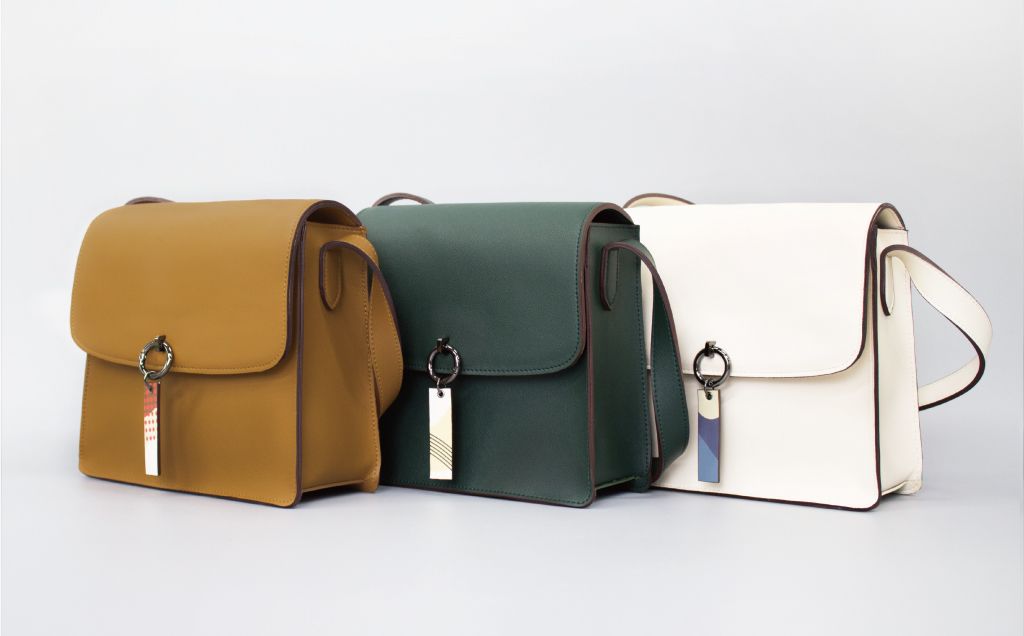
July Bag
The July Bag, launched this past June, marked the beginning of that journey. It was the first time we tried designing patterns based on the children’s stories and applying those patterns to our products. Fortunately, the July Bag funding campaign was a success, and building on that momentum, we’ve now launched the Pattern Bag, which features the pattern prominently across the entire surface. While the response was more subdued compared to the July Bag—which used the pattern as an accent on existing products—more people have come to deeply understand the kind of work Aedren does.
On wadiz alone, countless design projects pop up. In the design business, a brand can suddenly rise to fame or be forgotten just as quickly. I suppose pattern-based designs and collaborations are part of the strategy to overcome this reality, right?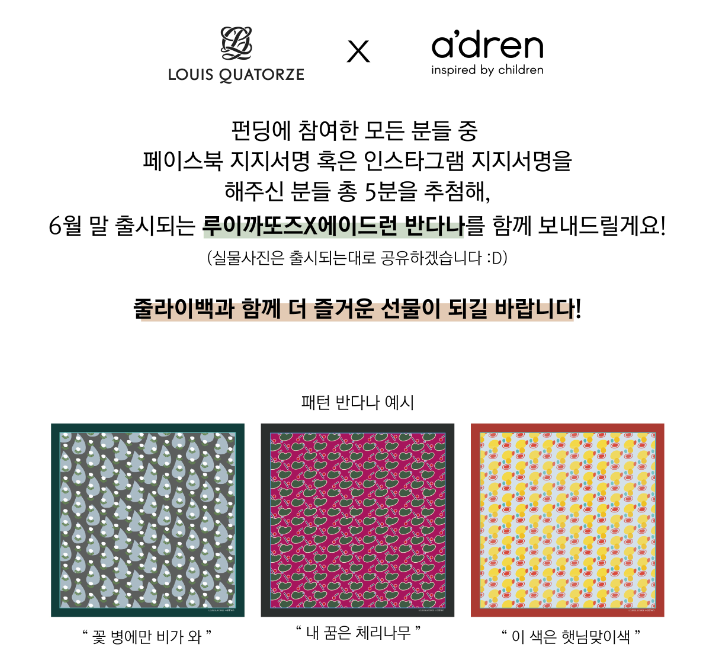
Louis Cattoz x Aedren
Yes, that’s right. We want to continue using children’s stories to set ourselves apart from other brands. We’re moving forward slowly while gauging customer reactions through funding.
As part of that process, we’re currently working on pattern collaborations with GS Caltex and Lotte World. Next year, we plan to engage in more proactive collaboration activities so we can introduce the Aidrun brand and our philosophy to an even wider audience.
I heard that you consistently donate a portion of your profits to art education volunteer programs.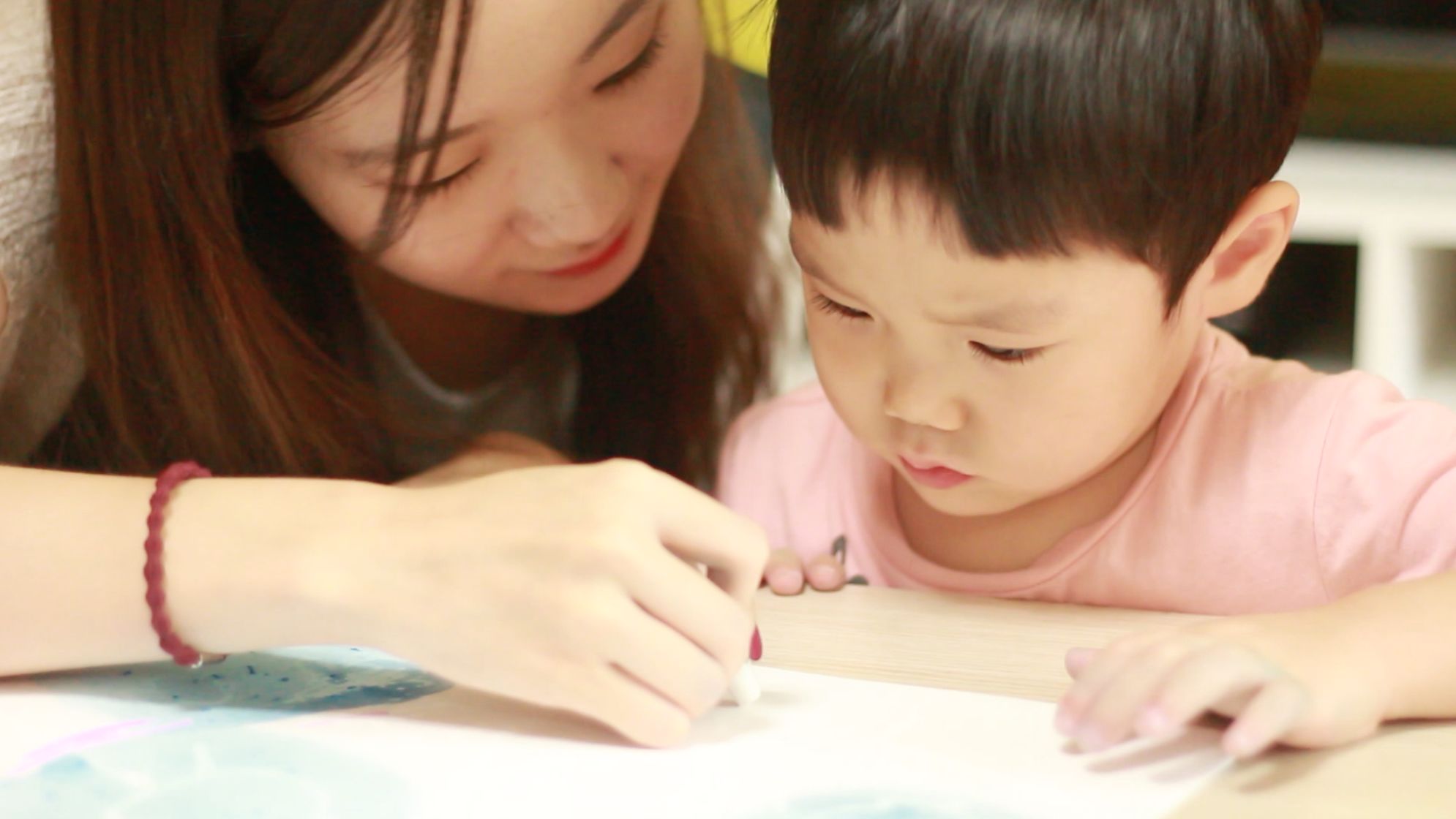
We’ve been consistently carrying out this initiative ever since we started as an art education volunteer team. What Aidrun values most is “ongoing” emotional education. Guided by the motto “Let’s not give up unilaterally,” we’re currently providing education to 30 children at two facilities. A portion of the proceeds goes toward instructor fees and administrative costs for our volunteers.
It’s always harder to keep something going than to start it, isn’t it? Is there a particular reason you continue these volunteer art classes despite the financial burden?
At first, we started with the vague idea that it would be good for the children to receive art education. Initially, we followed a simple format where seven children and three volunteers drew pictures together. But as time went on, we began to feel the power of art education through the children themselves.
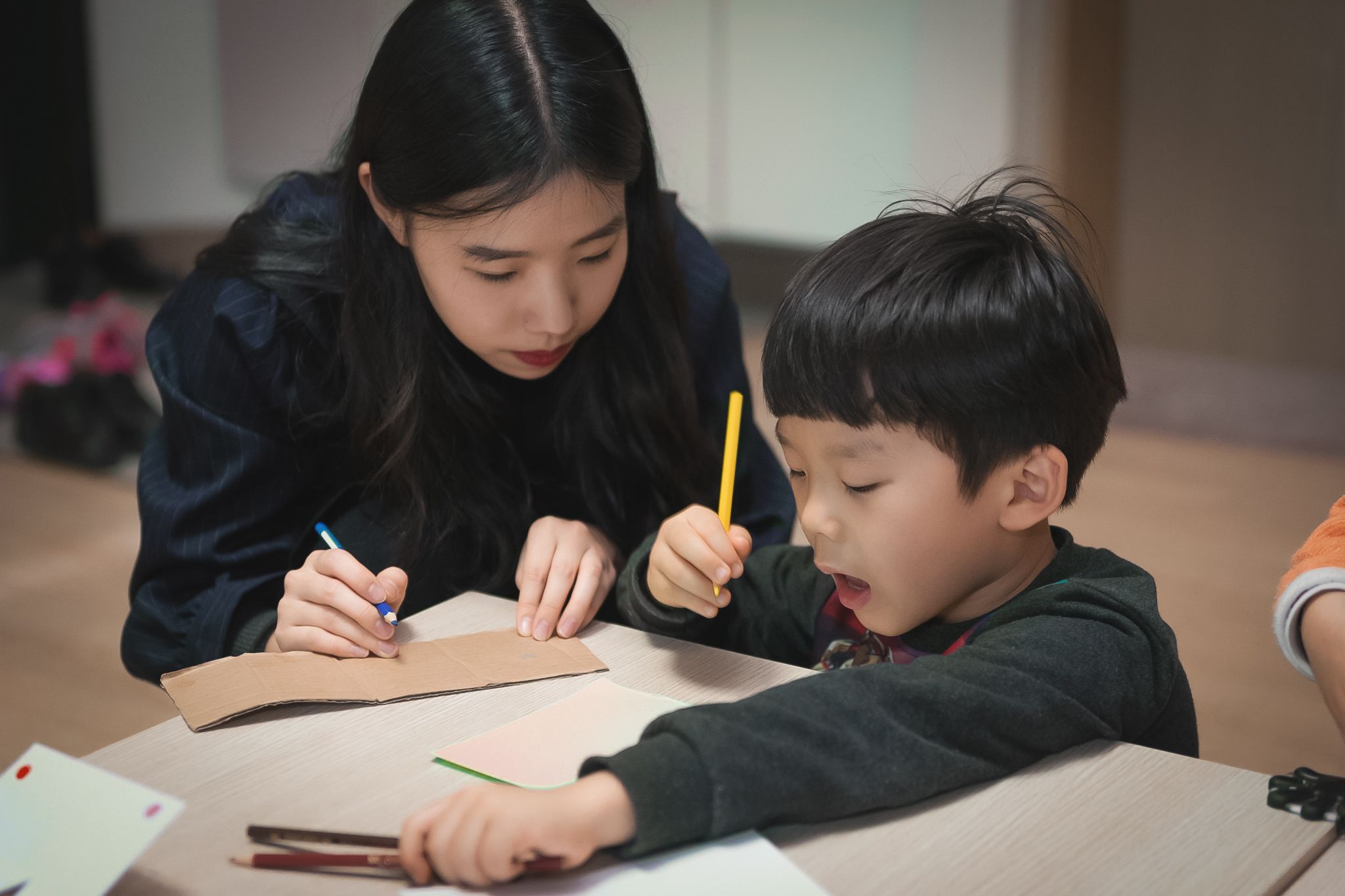
While drawing, the children naturally learn that “there is no right answer.” No matter what they draw, the volunteers praise and encourage them, which helps them gain confidence. There was one particular moment when I truly felt that power.
There was a child who was very shy before the classes began, but after several sessions, he started sharing his thoughts with the volunteers without hesitation. That’s because no one ever told him his drawing or his ideas were wrong. Having witnessed that transformation firsthand, I wanted to consistently share the positive power of art education with more children.
So the ArtEdu service was born as an extension of that desire.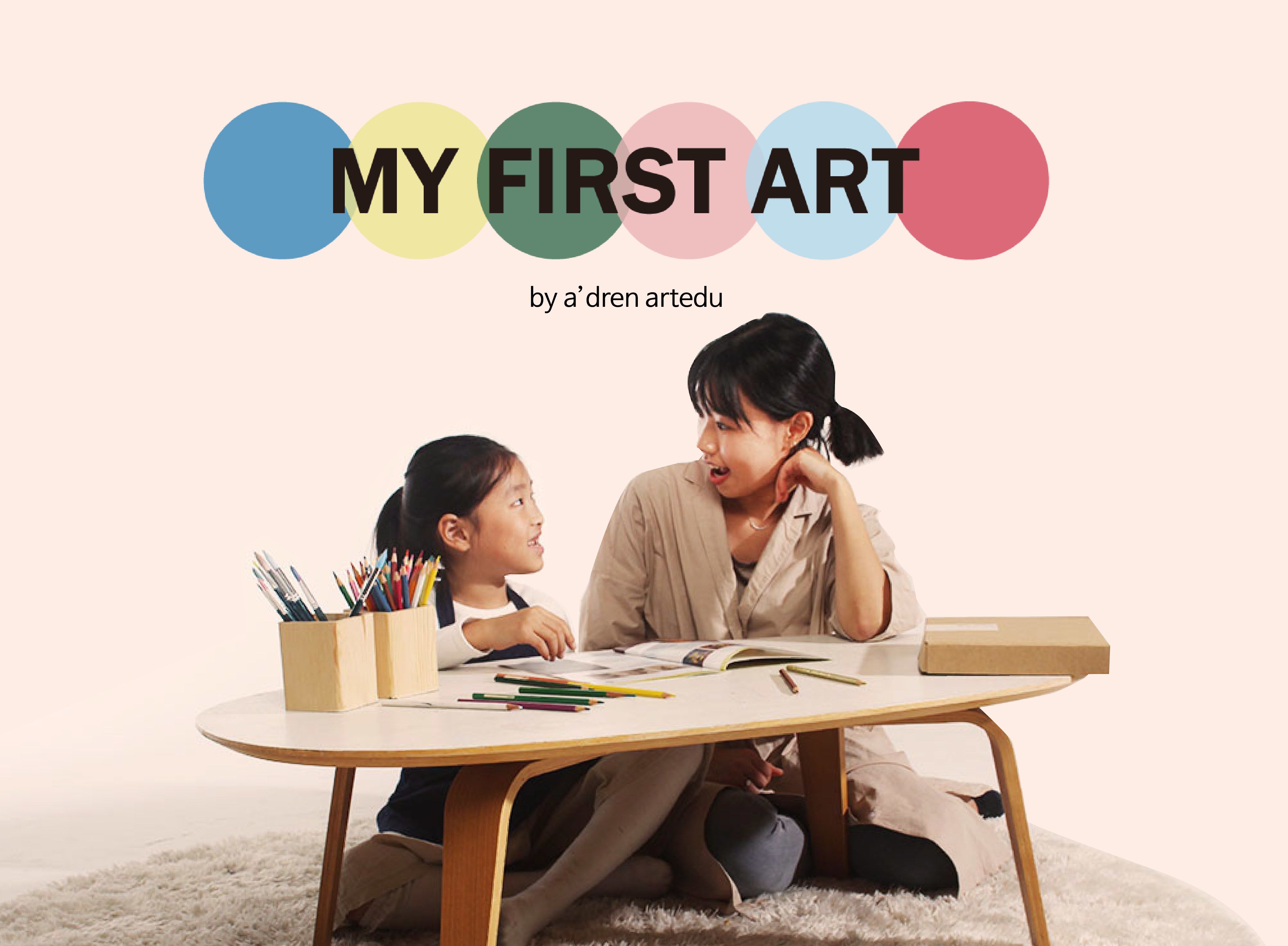 Since I’ve been working with children since 2015, I realized I couldn’t keep offering the same content over and over, so I’ve been steadily developing new educational materials. Using these materials, I began offering classes to the general public earlier this year, and the response has been very positive.
I realized that if this process were well-structured, parents could teach art to their children at home themselves, so I set out to create the ArtEdu service in earnest. It’s a service that offers content rather than just basic art education concepts. We provide guides along with art supplies that aren’t easily available at home. Just by having parents read the guides aloud, children can have an experience similar to the classes we teach in person.
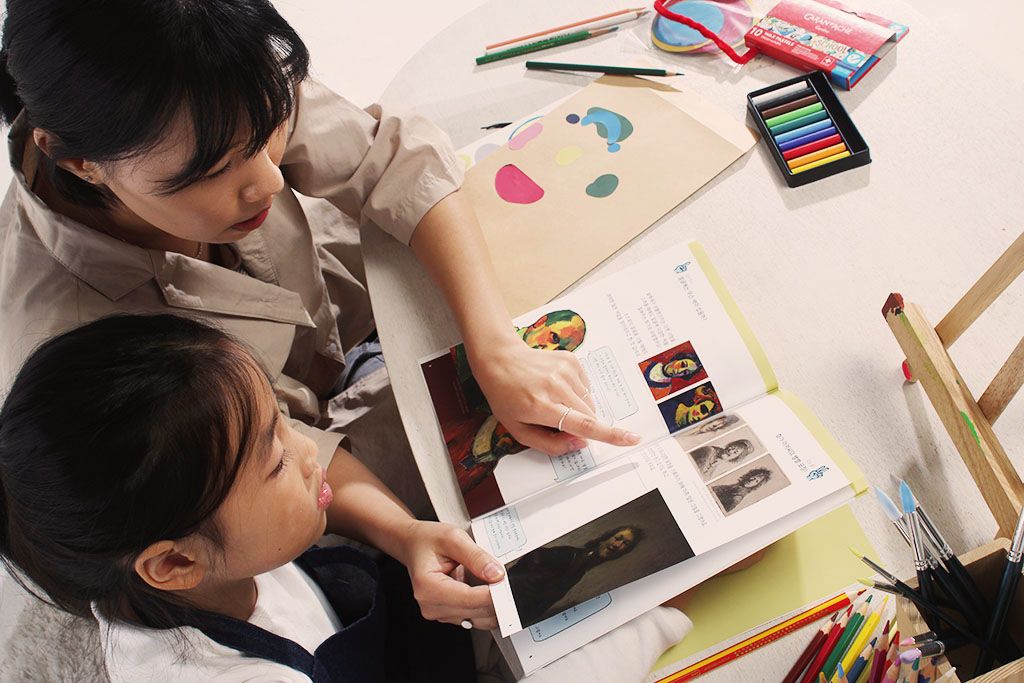 While our goal is to expand the business to reach more children, creating a long-term curriculum is just as important as developing new content each time to ensure continuous art education.
We started this to give more children the opportunity to receive art education, and we’ve grown a lot ourselves by creating this service alongside experts. I think it will also be a valuable experience for the adults participating with their children.
Teaching children that there is no single “right answer” is particularly beneficial for their emotional development. It won’t be easy to strike the right balance between creating this kind of social value and maintaining our identity as a design company.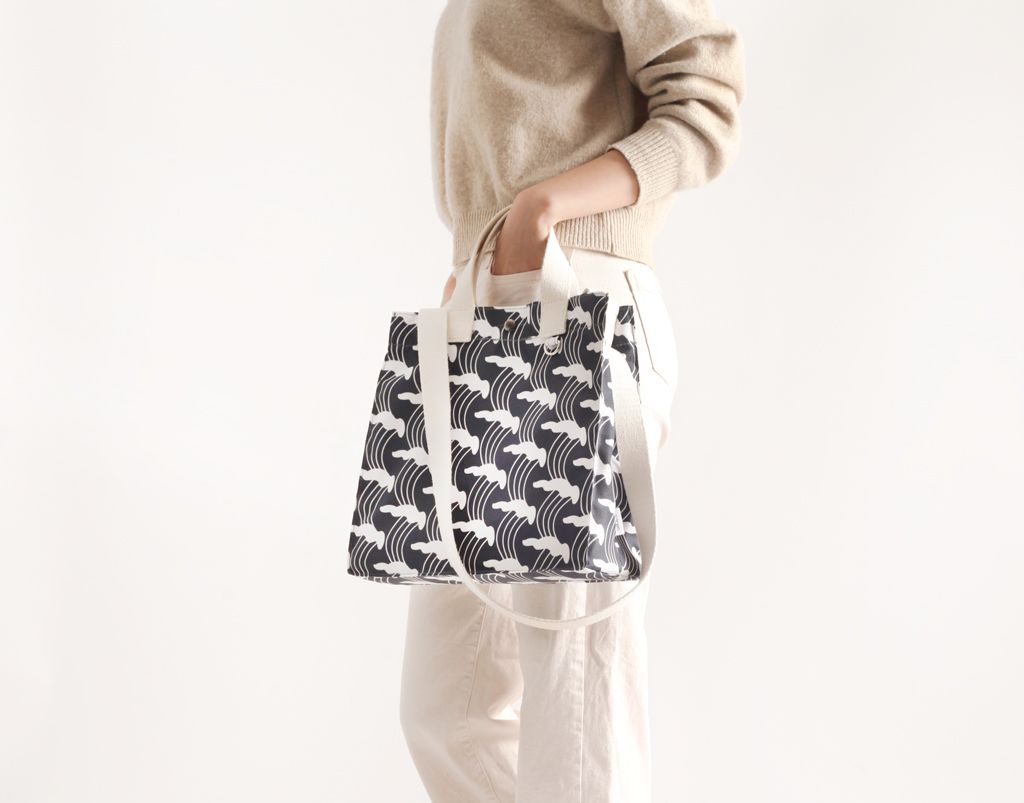 That’s right. We have to create designs that people find beautiful at first glance while also sharing the stories behind them, so it feels like we’ve become what people nowadays call “explanation-obsessed.”
Since this business model—listening to children’s stories gathered through art education and turning them into products—is something that didn’t exist before, many people still find it unfamiliar. Still, we’re glad that as we continue our funding campaigns, the number of people who understand Aidren’s vision is gradually growing.
Chapter 3. Aedren’s Funding Journey
Now, let’s talk about our funding campaigns. Including the recent <PATTERN Bag> campaign, we’ve launched a total of eight projects, and all of them have been successful. I think the reason we started funding back then is a bit different from why we do it now.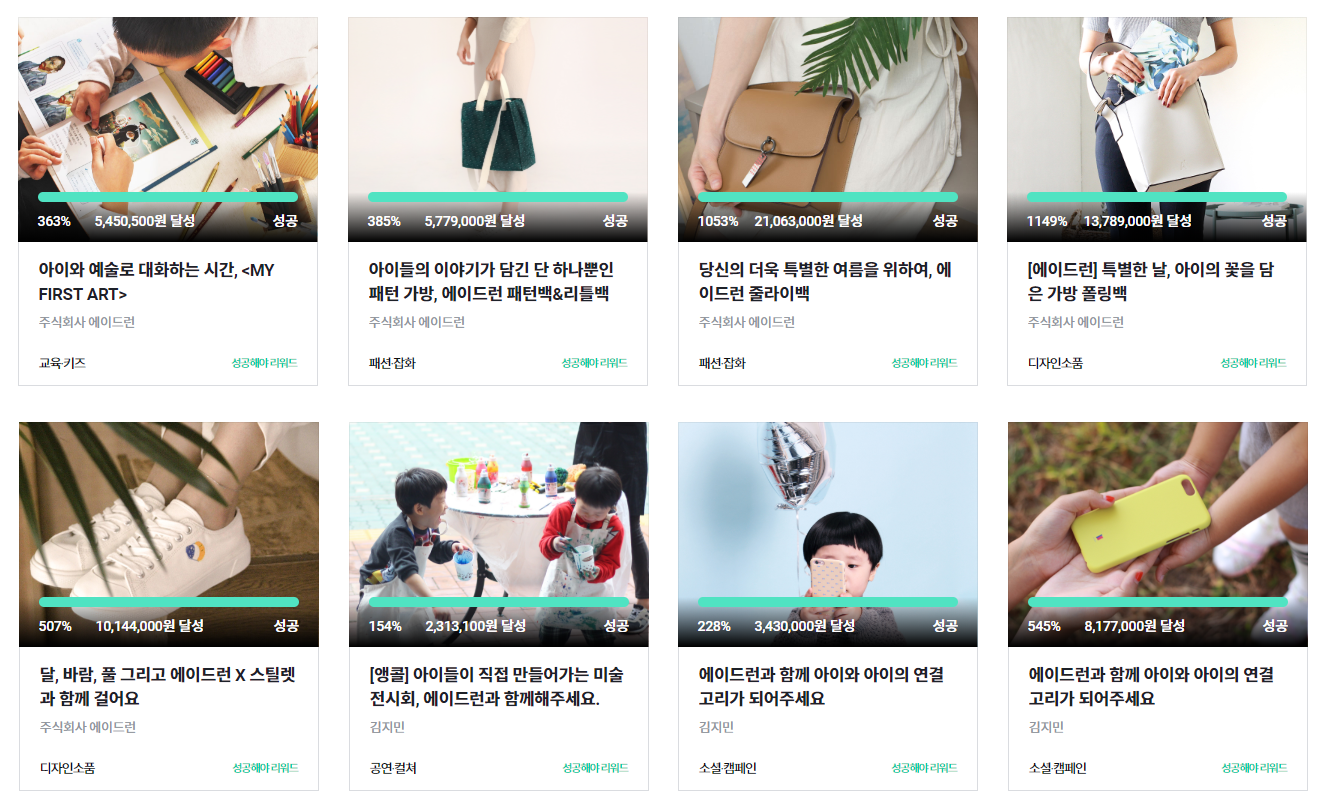 Our first funding campaign had a strong charitable focus. We donated all proceeds—excluding production costs—in the children’s names. We wanted to show that children in care facilities aren’t just recipients of help; they’re also capable of helping others.
Now, I’m trying to convey a more positive message—showing just how much joy and fun the children can bring to others. We also produce our products with a quality that can compete alongside other design brands, rather than focusing solely on social value.
Whereas in the past we’d start by saying, “Let’s do this because it’s pretty or fun!” we now begin by clearly defining our goals—what we hope to achieve through funding.
Some people argue that “encore crowdfunding” undermines the essence of crowdfunding. They suggest that rather than needing funding out of a genuine need for capital or publicity, successful makers are using crowdfunding purely for marketing purposes. What are your thoughts on these comments?
Since we started our business, we’ve run funding campaigns for every new product. We’re constantly improving our products by incorporating feedback from supporters in our previous campaigns. When selling through our online store, it’s difficult to get customer feedback. If someone buys something and doesn’t like it, they just get a refund, and that’s the end of it.
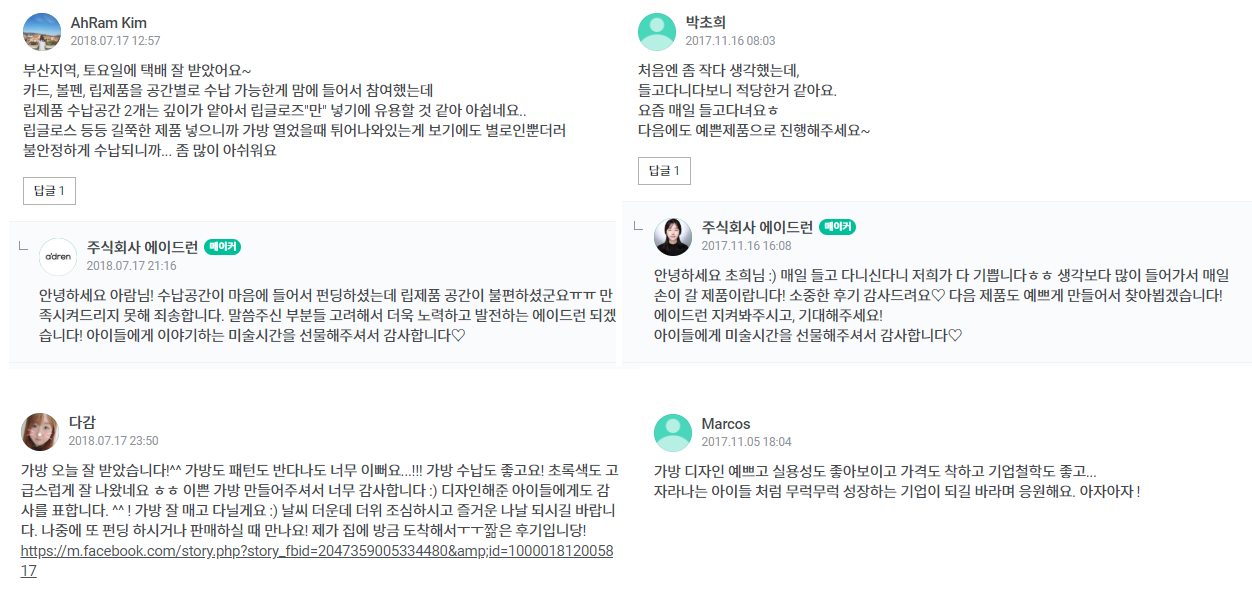
But wadiz supporters provide very detailed comments. Since they’re the first to receive a product after its initial release, they seem to feel a sense of responsibility toward it. They share their comments, saying things like, “I found this part inconvenient after using it,” or “I liked this aspect,” which helps us create better products every time. As a result, whenever we develop a new product, we end up launching it on wadiz first.
There must be a difference between selling directly through your own online store and running a funding campaign.
That’s right. The most important factor on an online store is price. Price is more important than the story of why we created this product and the process behind it. Funding is the opposite. We strive to better showcase the process—who we worked with, how we made it, and why we created it.
How did you promote the project?
We tend to try everything we can. We post consistently on social media and provide product samples as giveaways. Since we’re not in a position to spend a large amount on marketing, we mainly use events to encourage our supporters to share the project voluntarily.
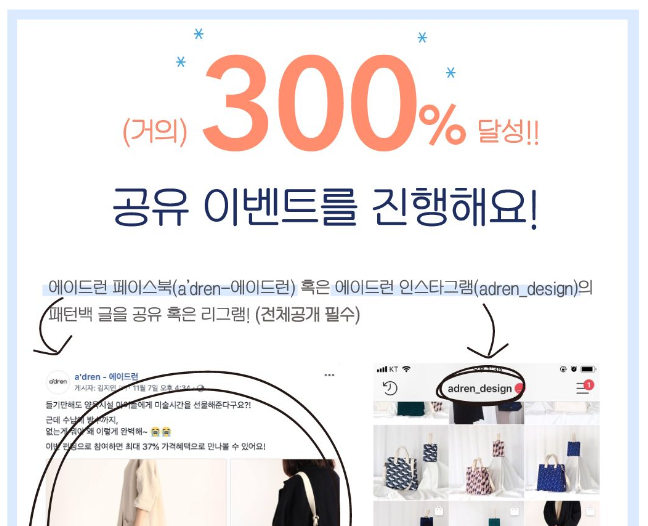
We’ve also benefited a lot from the “Launching Soon” feature. Before that service existed, it was hard to promote in advance. Even if we wanted to tell our friends and family about the project first, we didn’t have anything to show them—but now we can just share the “Launching Soon” page.
A longer funding period doesn’t necessarily mean you’ll raise more money. In fact, I think it’s less stressful for the maker to actively promote the project during the “Launching Soon” phase and set a shorter funding period, and from the supporter’s perspective, it has the advantage of shorter shipping times.
That’s the kind of insight you’d expect from a pro-maker who’s successfully run eight funding campaigns. Do you have any other tips that might be helpful for aspiring makers?
People around us often ask how to run a funding campaign. They tend to think that becoming a maker requires a large-scale business or a groundbreaking product. So we always tell them it’s not that difficult. We explain that if you sincerely share your product, the reason behind it, and the process of creating it, there will definitely be people who appreciate it.
Also, since there are so many projects seeking large amounts of funding, some people worry that their project—even if they’re only aiming for about 3 million won—will get lost in the crowd. We set a low goal and still succeeded. So please don’t overcomplicate things—just give it a try.
What was the most meaningful thing Aidren gained through the wadiz funding campaign?
Aedrun, as featured in our first funding story in 2015
The fact that we were able to launch Aidrun—that in itself. If we hadn’t run a wadiz funding campaign, we never would have imagined that the children’s drawings and stories could be loved by so many people. Because we saw that potential firsthand through the funding campaign, we gained the strength to keep Aidrun going.
This is the result of makers creating value and supporters recognizing that value, working together. Please share a final message with us!
We’re a team that has benefited greatly from wadiz funding. Whenever we faced difficulties or had to make big decisions, the funding gave us strength and confidence. We hope other makers will also use funding in a positive way to achieve wonderful results.