"Conveying meaningful work through design" Visual Storyteller Maker
There’s not much time left in 2020. After spending so much time at home this year, I find myself wanting to create something of my own. That’s why wadiz is running the “2020 Bucket List Project,” which supports the creation of design productsto help many people maketheir bucket lists a reality.
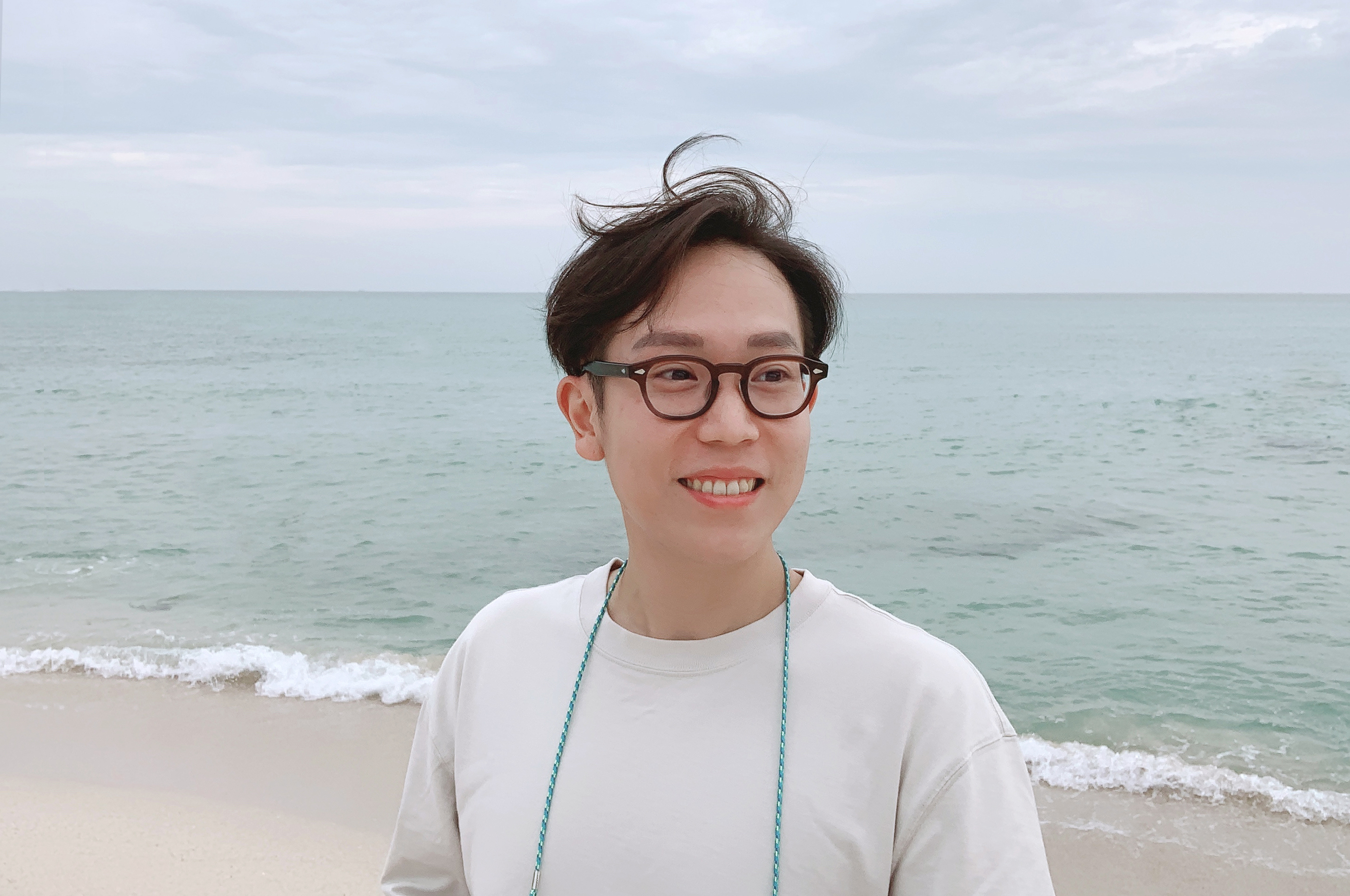
Curious to know what motivated wadiz’s successful makers—who have created design products—to conduct funding campaigns, I met with Kwon Dong-hyun, a visual storyteller and one of wadiz’s leading successful makers in the design category.
I used to feel a sense of emptiness after finishing projects at my company. I thought thatif I created content through my own personal projects, it would be small but would continue to build upon itself.
Hello. This is wadiz. First, could you please introduce yourself as a maker?
Hello. I’m Kwon Dong-hyun, a visual storytellerwho turns the world’s meaningful stories into a single image.Through design, I create content that makes difficult andcomplex topics engaging and easy to understand for everyone—from elementary school students to university professors.
It’s been a while since you ran your funding campaign a year ago. How have you been?
The projects I had planned for early this year were either canceled or postponed due to COVID-19. Still, I’ve been steadily working on projects that utilize visual storytelling. In the first half of the year, since people couldn’t travel much during the contactless era, I published a book titled *Seoul’s Treasures You Can Discover from Home*. It’s about exploring the treasures around the Hanyang Fortress Wall.
Could you explain what a visual storyteller does and what the funding campaign is about for those reading this interview?
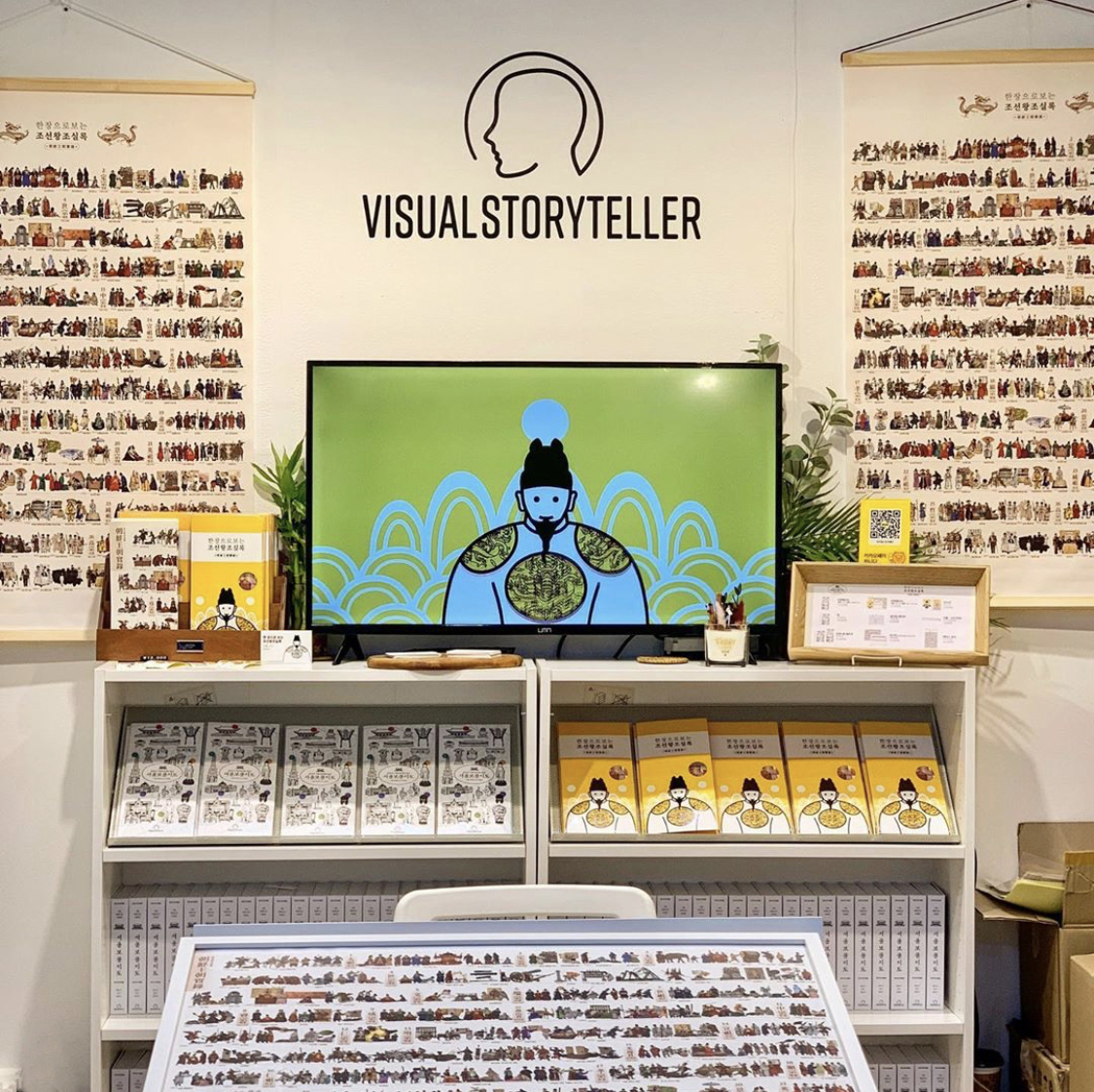
Simply put, I’m working on bringing stories to life through visuals. Around this time last year,I ran a funding campaign on wadizfor *The Annals of the Joseon Dynasty in a Single Page*. Going forward, I’d like to work on visualizing complex topics such as medicine and law. I believe that by continuing to learn and apply visualization techniques, I can be of great help to many people.
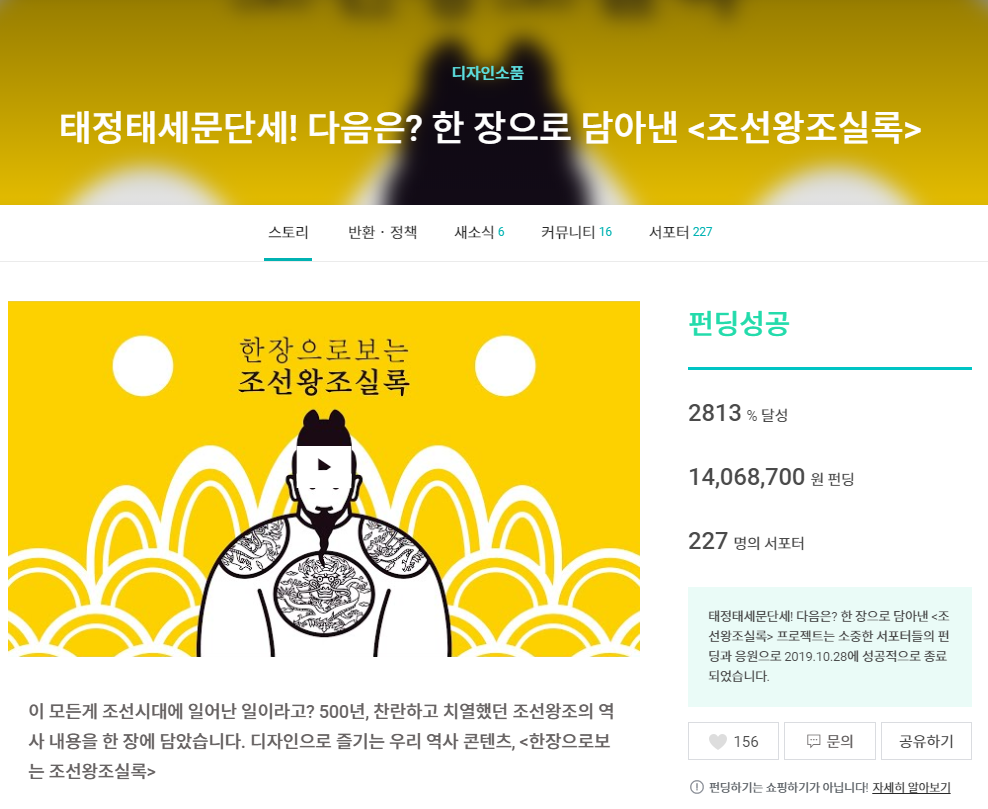
The Visual Storyteller’s *Annals of the Joseon Dynasty* Funding Campaign
I’m impressed by how you use design to make complex topics easy to understand. It’s accessible even to children and those unfamiliar with history. Were you always a so-called “history geek” with a deep interest in the subject?
I’ve always been more interested in history than my friends were. But in a way, I think I was able to start this project precisely because I “didn’t realize how difficult it would be.” I just dove right in without realizing how challenging and weighty the subject was (laughs).
I suppose this is true for most artists and designers, but I tend to choose topics that interest me. The reason I chose history is I thought it would be more fun to work on topics that are still obscure or haven’t been overly popularized.
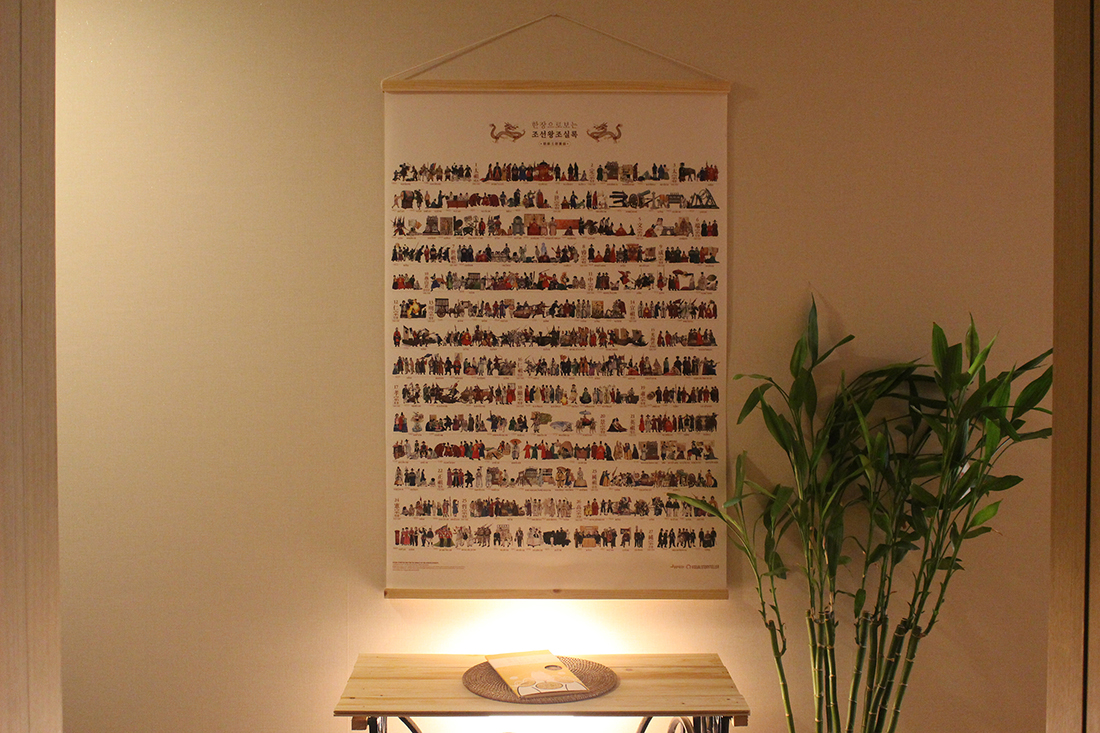
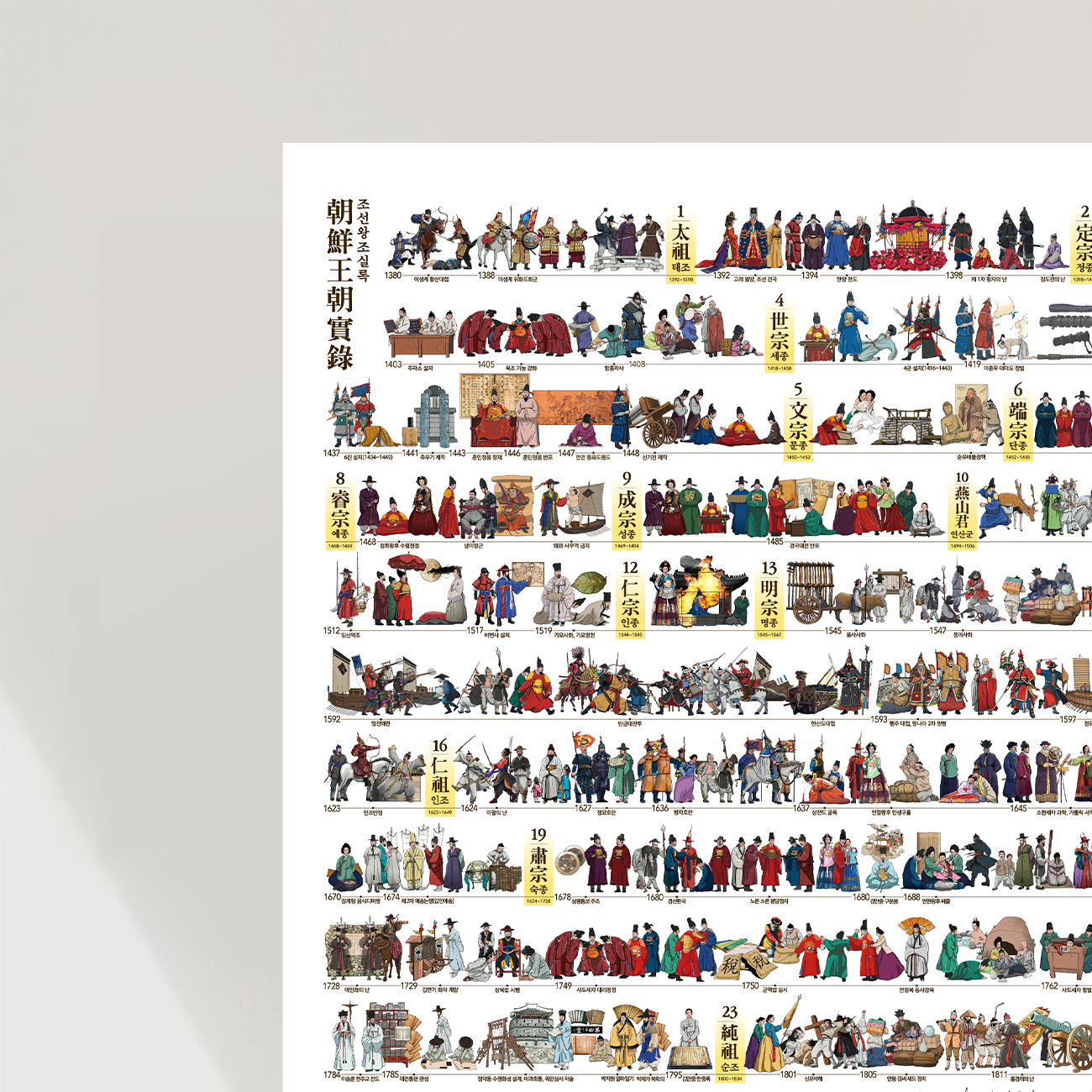
In developed countries like Europe and Japan, there’s a wealth of visual historical material, but in contrast, Korea’s historical records are mainly preserved in book form, which I found disappointing. People tend to imagine the Joseon Dynasty primarily through the lens of historical dramas. I thought that if I could richly express these records visually, it might enrich the way people imagine history, so I began working on the *Annals of the Joseon Dynasty*.
I’m also curious about what kind of work you did before this.
Previously, while working at a company, I mainly developed art concepts for museum exhibitions, movies, and TV dramas. As I worked there, I found myself wanting to create my own original content and, on a vague level, to keep producing useful illustrations that would help many people.
When a project at the company ended, it felt like it ended for me, too. I’d feel a sense of emptiness once a project was finished. Since these weren’t things that remained with me or that I could expand upon, I felt a sense of regret separate from the final product itself. Still , I thought thatif I created content through my own personal project, it would be small but would continue to build upon itself.
When you’re working at a company, it’s easy to give up on personal projects. How long did it take you to release your first piece of work?
I worked on *The Annals of the Joseon Dynasty* little by little while working at the company. I also attended graduate school part-time while working, and I developed the project further by selecting it as the topic for my thesis. The total work period was about 3 to 4 years.
After finishing the project, I didn’t know what to do with it. It didn’t quite fit the category of “design accessories,” and since the content straddled history and education, I had no idea how to present it, so I just set it aside.
That’s when you launched your wadiz funding campaign.
Although I had spent a long time creating “The Annals of the Joseon Dynasty in a Single Page,” there weren’t many ways to reach the general public with it. The only options were small-scale appearances at art markets or fairs.
After quitting my job, I decided I needed to get feedback and reactions from a wider audience through funding. It was right when I was deeply questioningwhether this was really the right path forme. Myfriends would say things like, “History isn’t fun” (laughs), and it just didn’t seem very ‘cool’ to me either.So I needed a way to prove to myself that “it’s okay to keep doing this. I can keep at it consistently.”
Seeing that you’re still doing this work today, it seems that campaign was a success!
Yes, that’s right. It was a project I’d been working on by myself, and I was truly grateful that so many people liked it—more than I expected. So I was really happy while packing the orders, too.I felt a sense of pride and joy, thinking, “I can’t believe I’m packing this many items.”
Everyone says that process is the hardest part, so that’s surprising (laughs). Was your first funding campaign difficult?
Actually, I’d run a wadiz funding campaign once before when I was working at a company. But back then, since it was a team effort at work, I think it went a bit more smoothly. Doing it on my own wasn’t easy.For the funding campaign, I had to produce other items besides posters—like scrolls, pocket packages, and coloring sheets—and revise work I’d created earlier. I also made samples multiple times and created even more design drafts.
There was really so much to do on my own. During the printing process, I think I had to print and discard the materials about twice. Changes that weren’t visible before would always show up after printing. Just the amount of paper I had to throw away… (tears)
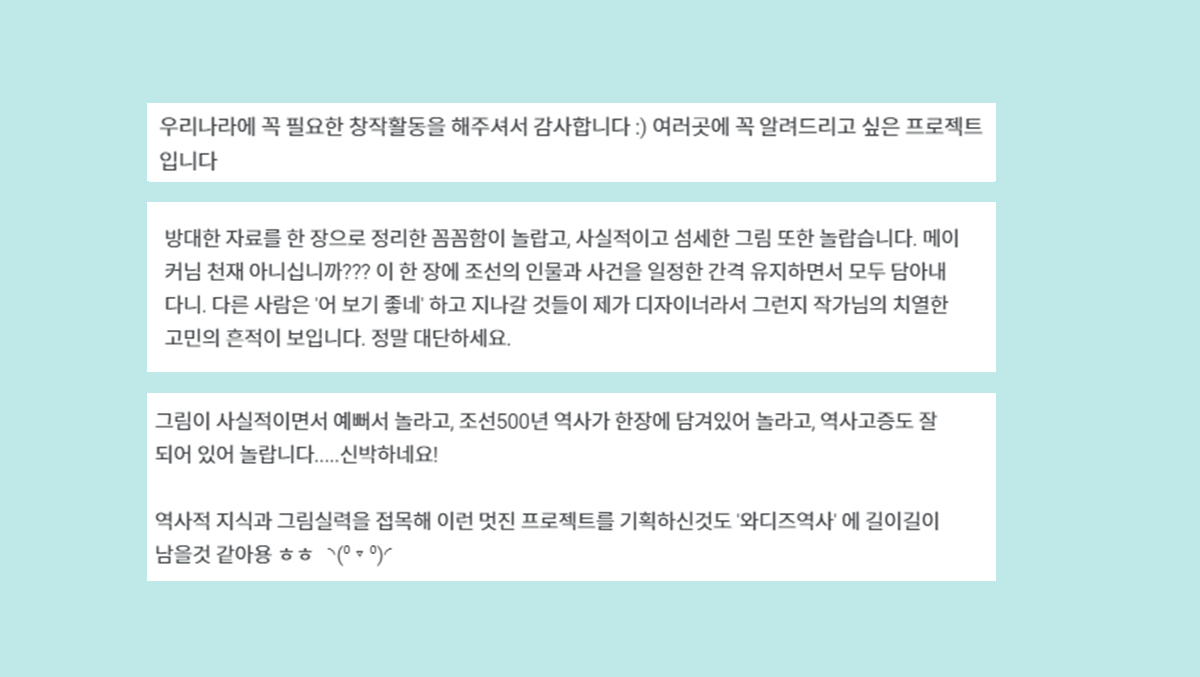
Comments from supporters on the “The Annals of the Joseon Dynasty in One Sheet” funding campaign
Now that funding has been provided, It’s been a year since the funding campaign ended—what does funding mean to you as a designer?
I think it’s an opportunity to quickly find the direction you want to go in. The funding campaignserved as the driving force that allowed me to get rapid validation and move forward with production quickly. Also, after the funding campaign, I received a lot of contact from places I never even imagined. Experts and companies from fields other than history reached out to propose projects, and I also received many requests to stock my work in their stores.
Also, after the funding, when I attended design festivals and illustration fairs, I often heard people say they’d seen my work on wadiz, and some even shared that they’d missed out on backing the project because the funding had already ended. It feels like I’ve gained a bit of recognition,both as an individual designer and as a design firm.I’ve also received a lot of cheerfrom those around me.
It’s even better that a project that was personally meaningful to me has gained recognition from others! Please tell us about a particularly fun project you worked on after receiving a proposal.
After seeing *The Annals of the Joseon Dynasty*, a research institute specializing in automotive designasked us to create a history of the automobile in the style of *The Annals of the Joseon Dynasty*. So we ended up creating an automotive version of *The Annals of the Joseon Dynasty*. The approach was to select and illustrate the “Best Model” of each year, starting from the very first car ever made.
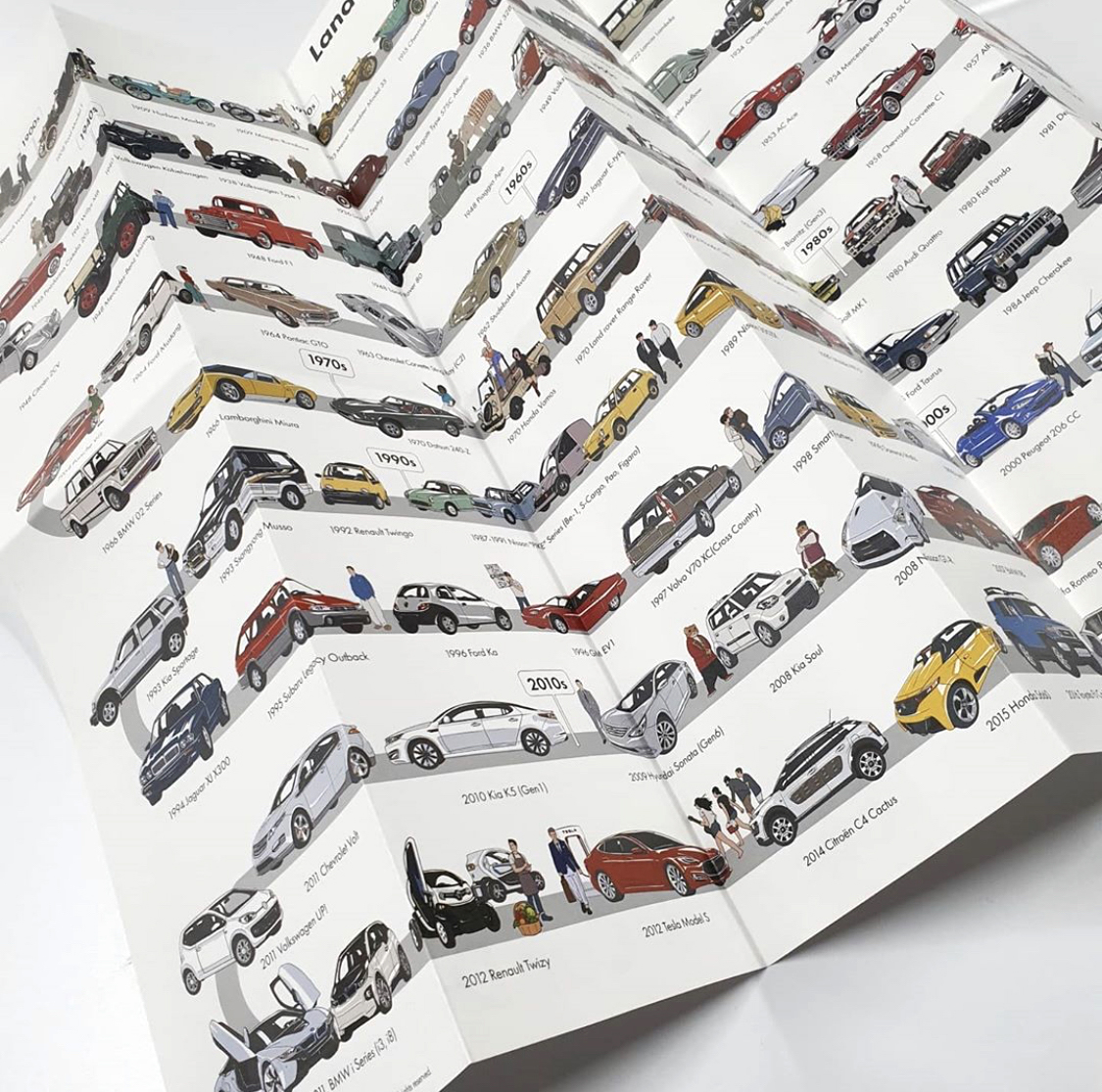
Visual storytelling project featuring the best car models by year
Wow, that’s a really fun project. You can really feel the power of an image that tells a story. I’m curious about what you, Designer Kwon Dong-hyun, consider to be the appeal of visual storytelling.
The appeal of visual storytelling is that it allows you to convey a story easily, quickly, and enjoyably. Content that might be difficult to explain in words often feels simple and fun when presented through illustrations, doesn’t it?
As someone who conveys stories through design, I find itrewarding that illustrations create opportunities for conversation. For example, parents telling storiesto their children while looking atthe pictures, or people imagining the events of that time as they view the illustrations. The appeal of visual storytelling lies in the factthat it allows for rich imagination to unfold from just a small starting point.
I’m really looking forward to your future work. Finally, if you have any plans for the future, please share them with us.
I’m currently working on a project titled “Admiral Yi Sun-sin and the Imjin War at a Glance,” set for release in the second half of this year. I’m visualizing Korea’s most iconic historical figures.
Another project I’m working on is conceptualizing the “The Annals of the Joseon Dynasty in One Page” series. I plan to take my time and develop this into a major project. I’d like to create similar series covering modern and contemporary history as well as world history, but finding the right source material has been challenging, so it’s taking a bit longer than expected. Even if it takes a little longer, I’ll make sure to prepare it as thoroughly as possible. Please look forward to it.