[The Funding Savior That Scratches Where It Itches] Preparing Documentation for Home Living and Fashion Accessories Planning and Development
Be sure to bring these!
- The Home & Living and Fashion & Accessories categories, which account for the largest share of wadiz funding projects
- Given their prominence, we’ll explain the planning and development documents required for these two categories—which are likely the ones you’re most curious about.
- Let’s take a look at when planning and development documents are required, what they include, and whether you can proceed without them.
1) Planning and Development Documents: When You Need Them
Since many makers use wadiz to introduce products or services that have never existed before, there’s a process to verify the evidence of their development efforts. This is where planning and development documents come in. Among the following four types of Rewards production, planning and development documents are required when the maker has participated directly or indirectly in the development: In-house production / Contract manufacturing / ODM .
| Category | Rewards Production Type | Requirement to Submit Planning and Development Documents |
| In-house Production | When the makeris responsible for the entire process—from the idea and planning of the Rewards to their development and production | O |
| Contract Manufacturing | When the maker is responsible for the planning and development of the idea and Rewards, but outsources production to a third party | O |
| ODM | When a maker improves or modifies part of a productdeveloped by a domestic or international manufacturer and commissions its production | O |
| Global (Funding) | When a maker introduces Rewards for the first time anywhere in the world, including both domestic and international markets | X |
2) Planning and Development Documents: What You Need
- For in-house production or contract manufacturing, you’ll need drawings, pattern sheets, and work instructions,
- ForODM projects, you must submit documentation confirming that you have requested improvements.
Even for the same type of document, how can you ensure it’s approved on the first try without additional verification? We’ll highlight common pitfalls for each type of reward production method. You can view the detailed document requirements by going to [Maker Studio > Project Information > Rewards Types and Production Methods > Select Category].
a. In-House Production
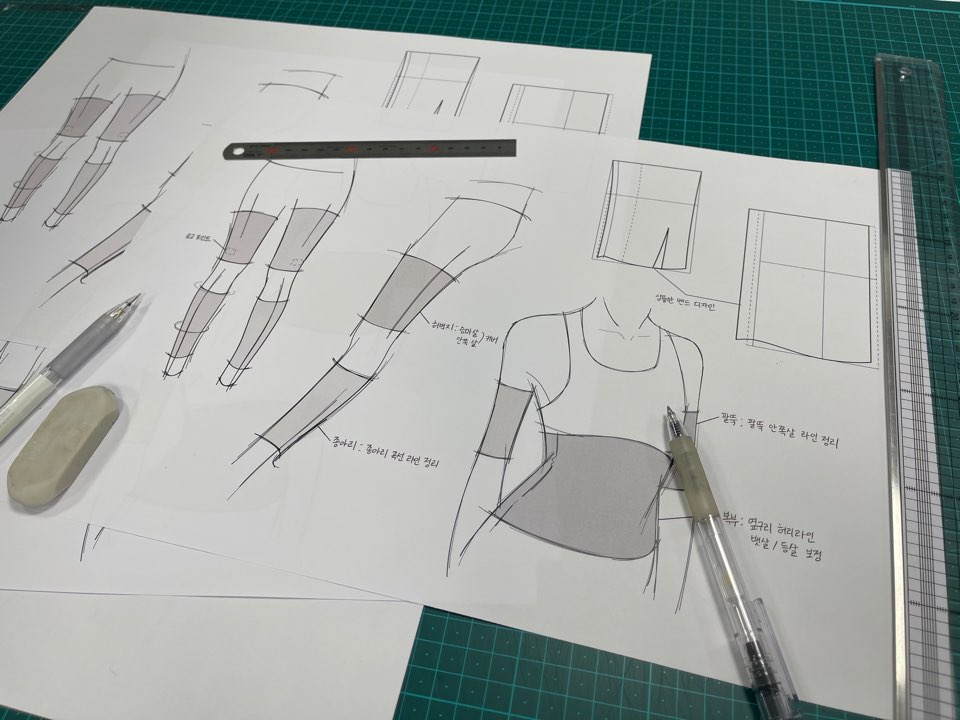
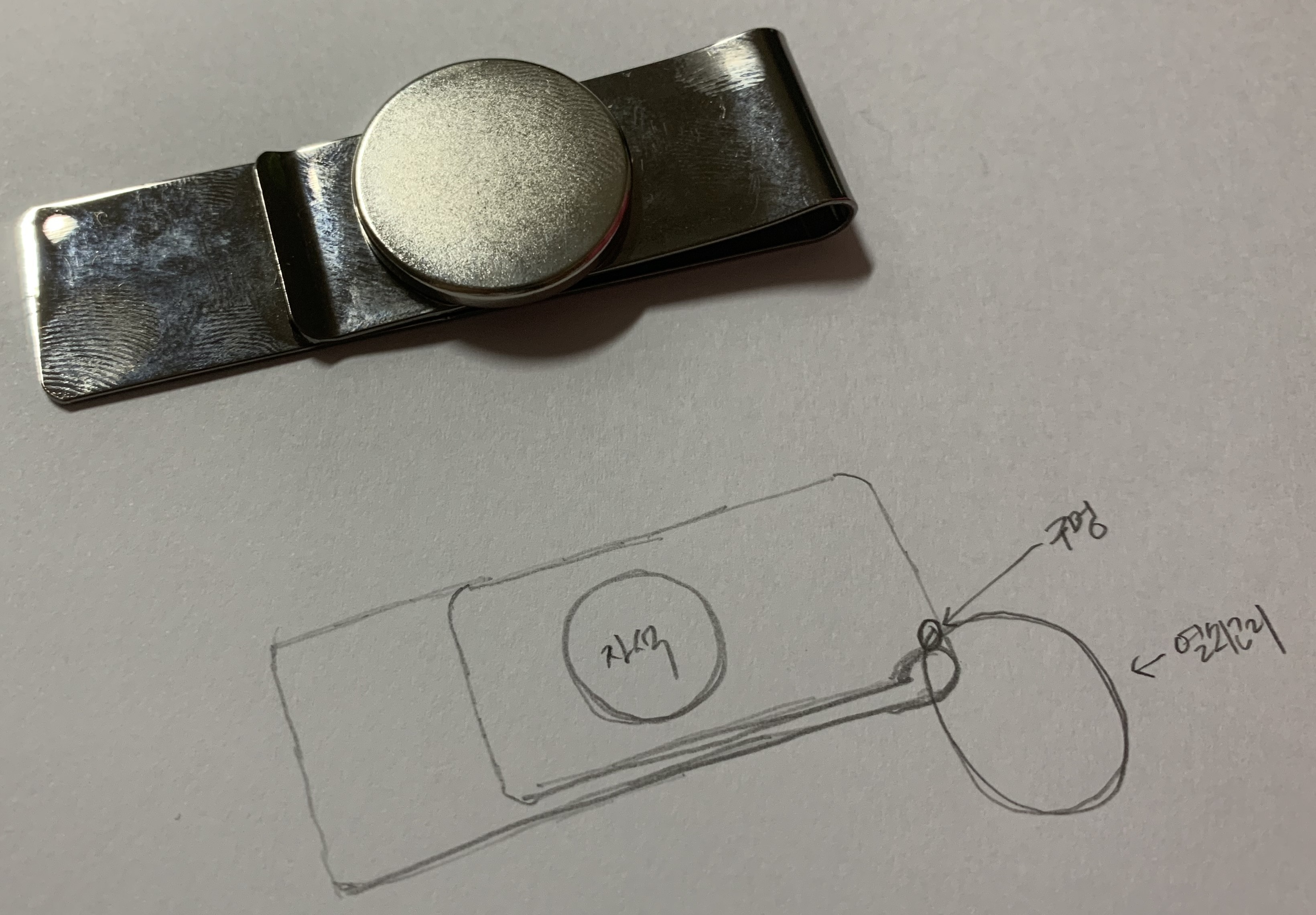
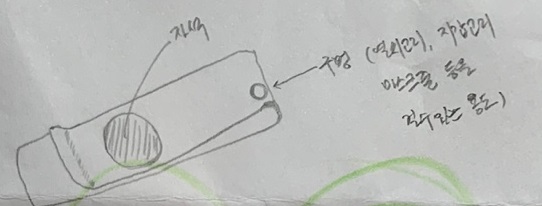
As the name suggests, this is when the maker handles everything from planning—such as design—to production themselves. However, if the work order only includes photos of the finished product or details of the work based on those photos, it’s difficult to verify whether you were directly involved in the design process. Ahsubmit detailed drawings or photos of the production process—as shown below—to provide accurate and prompt verification.
b. Contract Manufacturing
This is not significantly different from in-house production. You can submit supporting documents such as the drawings used to design the product, the pattern sheets used during the prototype production process, and the work instructions. However, unlike in-house production, maker manufacturing sometimes involves creating prototypes for mass production and then drafting work instructions based on those prototypes; therefore, it may be difficult to verify that the planning was done solely based on the work instructions. In such cases, submitting an additional contract for contract manufacturing—which clearly confirms that the product was designed and then simply outsourced—will allow for accurate and prompt verification.
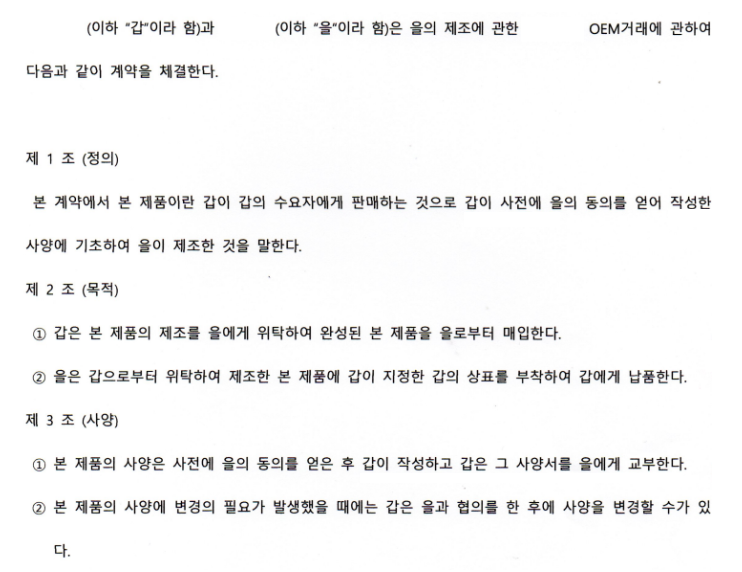 |
Example of a contract for contract manufacturing based on your own design
c. ODM
You must submit documents that confirm the maker’s contribution to the product’s improvement or modification. However, unlike the two types mentioned above, since the product was not planned entirely from start to finish by the maker, there may not be separate supporting documents such as drawings, pattern sheets, or work instructions. Instead, similar to contract manufacturing, the contract must include details of the improvements or changes made by the maker—such as the extent of their involvement in mold production or the specific requests made to the factory—to ensure accurate and prompt verification.
In such cases, if the improved or modified features have an appearance that could infringe on the intellectual property rights of products from other companies or brands currently on the market, it will be difficult to proceed with the project. For example, if the design you’ve requested to be modified closely resembles a logo or design for which a specific brand has registered a trademark or design patent, it may be deemed to infringe on the legal rights of another company, which could restrict the project’s progress.
3) Are planning and development documents required?
Yes, for global or simple distribution, the project can proceed without them. “Simple distribution” is a type selected when the maker acts solely as an agent for the product’s distribution on wadiz, regardless of the production method. When selecting the Rewards production method in Maker Studio, you’ll make your choice from the tabs displayed at the bottom.
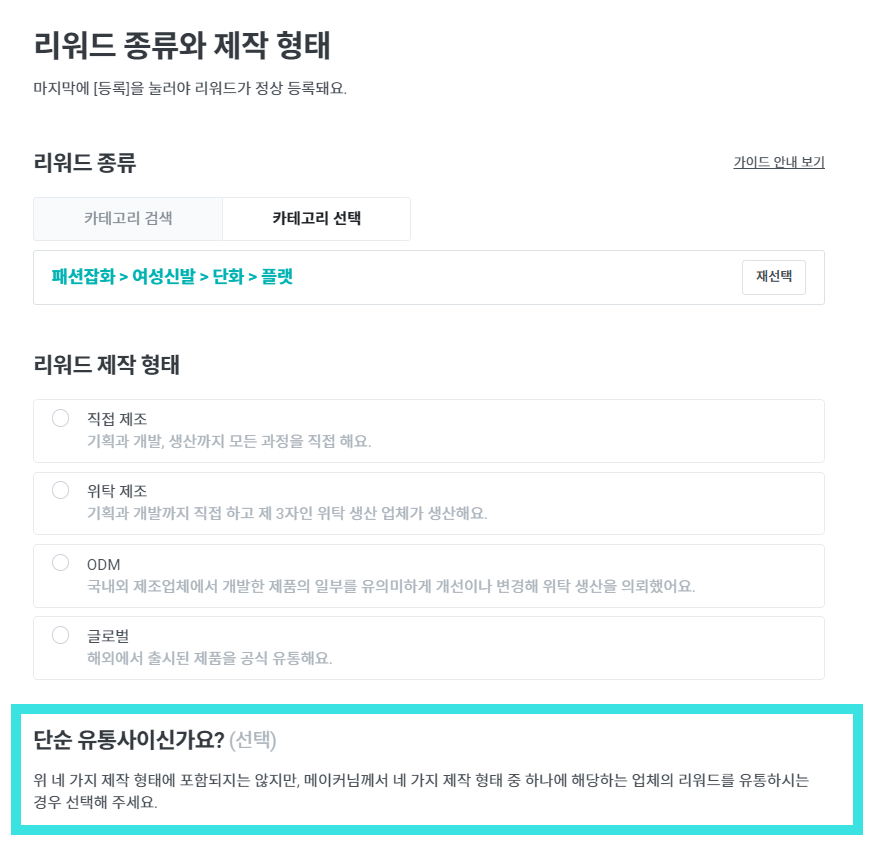 |
Regardless of which of the four types of Rewards production introduced earlier you choose, if you check the “Simple Distribution” option, you will be considered a distribution agent and must submit an “Exclusive Distribution Agreement,” which stipulates that distribution is possible only through you. To ensure accurate and prompt verification, the Exclusive Distribution Agreement must include the official seals of both parties, the items subject to distribution, the contract period, and the regions where distribution is permitted.
Wadiz’s review process is one of the things makers are most curious about when starting a project. In this article, we’ve looked at the planning and development documents required for projects in the Home Living and Fashion & Accessories categories, common pitfalls to avoid, and simple distribution—which doesn’t require these documents. We’ll be back with our next article, packed full of content to help you prepare your project. Stay tuned.
-
Written by Kim Jae-young and Jeong Eun-hye; Edited by Kwon Ye-rang