[Publishing] Hundreds of millions in revenue generated through cultural and artistic publications
There’s a maker who won the hearts of over 4,000 supporters over two years by taking on a task no one asked them to do. It’s Daet Time B, a young startup that restores damaged artworks to showcase the beauty of Korean painting to the public.
We asked the maker—who dedicates extensive time exclusively to Korean painting, with each restoration taking as little as two weeks or, more commonly, over a month—about their creative process and the secret behind raising approximately 200 million won through book funding. Discover the story of That Time B.
Promoting the Beauty of Korean Painting
Youth Startup Maker, ThatTimeB
 Hello, I’m Song Hye-yeon, CEO of ThatTimeB, a young startup dedicated to promoting the beauty of Korean painting. Datime B is dedicated to discovering and restoring hidden or damaged Korean paintings that have not been publicly exhibited, with the goal of making Korean painting more accessible to the general public.Our team of three—including myself—works closely with artist Lee Jong-soo, who has a deep expertise in Korean painting; Master Ahn Chi-yong, a holder of the Intangible Cultural Heritage designation for hanji (Korean paper); and Yuhwa Company, which has developed its own unique printing techniques over more than 20 years.
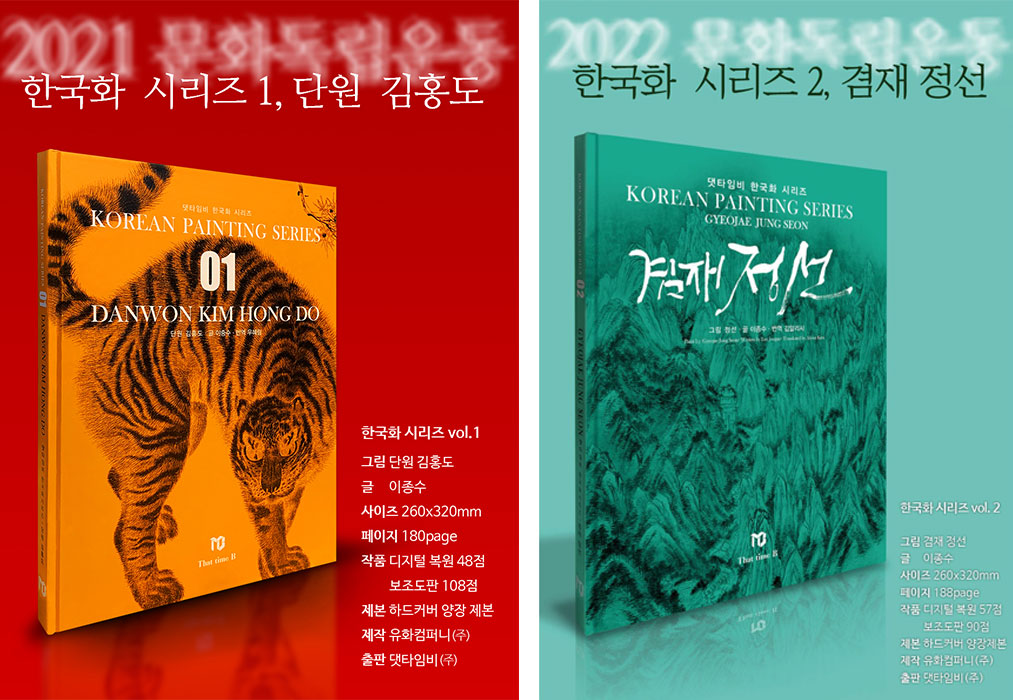
<KOREAN Painting Series 1 & 2>, launched through a wadiz funding campaign
Last January, through wadiz, <Korean Painting Series 1>: The Kim Hong-do Collection. Following that, <Korean Painting Series 2: Jeong Seon (Gyeomjae) Edition> , and over the past two years, we’ve run five funding projects , connecting with nearly 4,000 supporters.
I remember when we first tried funding—I was more worried than excited. But that anxiety quickly faded as we received so much support from our supporters. Thanks to them, we’ve been able to continue our funding campaigns right up to the present.
My curiosity about damaged Korean paintings
Turned into a Sense of Mission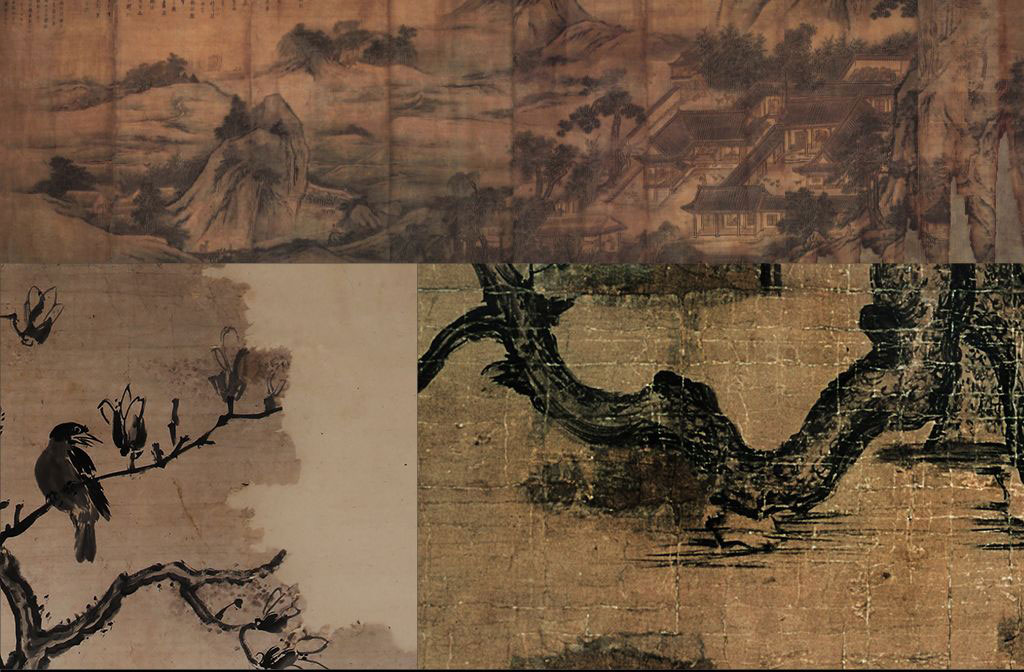
I’ve loved art since I was a child and started my career in that field, but I wasn’t particularly interested in Korean painting. However, when I visited a Korean painting museum in my early 20s, I was shocked to find that all the paintings were nothing but brown. It was a huge shock. I also felt a pure curiosity: “Why are these paintings so badly damaged?” and “Maybe I could try restoring them myself?”
So, as I conducted my own research, I came to realize just how dire the situation was for Korean painting.Due to frequent wars and looting in the past,the works were in such a state of disrepair that even national and public museums were unable to properly exhibit or restore them. It was truly heartbreaking to realize that opportunities to experience the beauty of Korean painting were gradually disappearing. As my curiosity turned into a sense of mission, I prepared the Daet-Time-Bi project and launched a wadiz funding campaign to restore damaged Korean paintings and publish them in a book.
The Key to Success in Art Publishing Funding
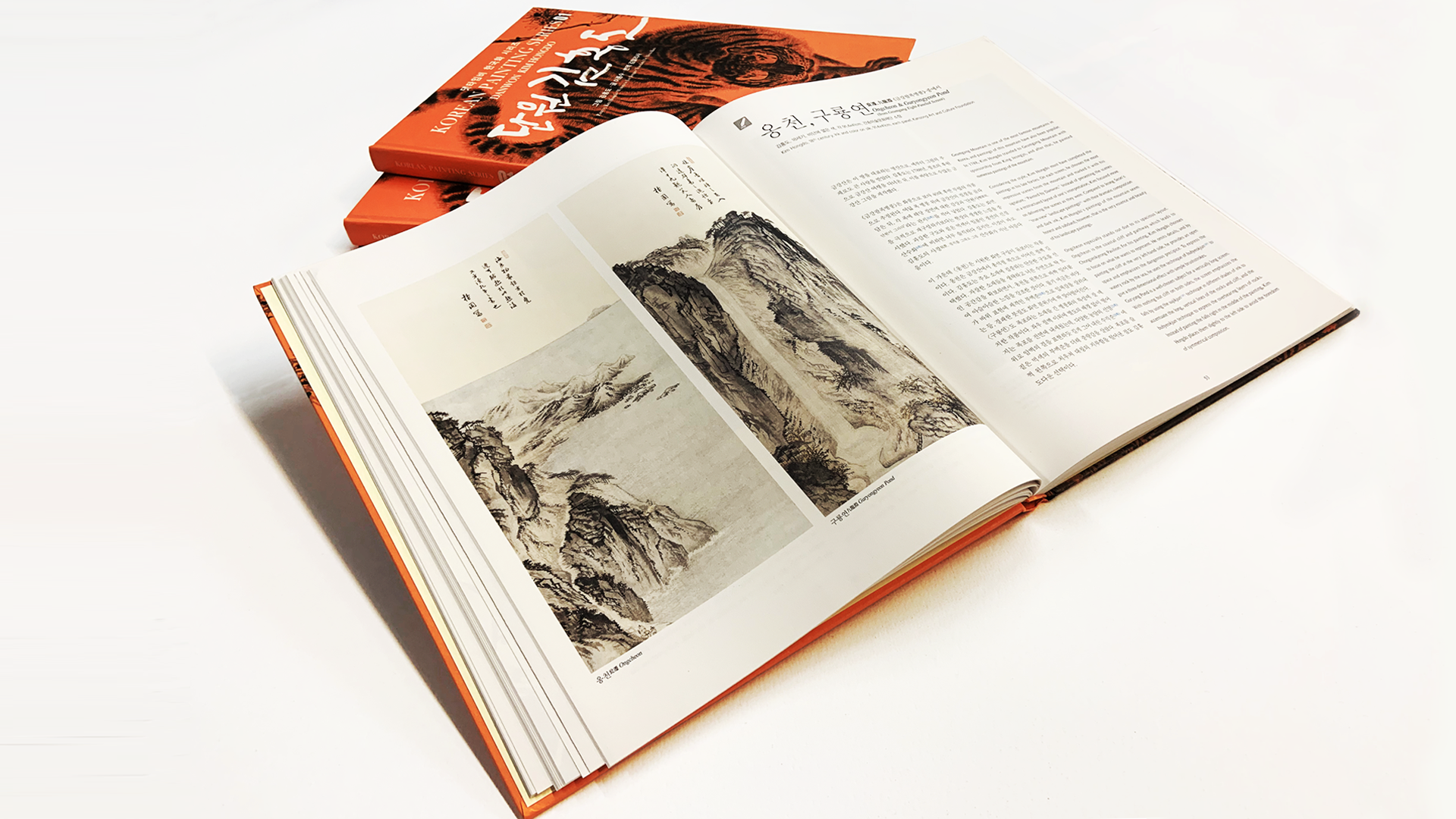 Daet Time B’s First Funding Campaign: <KOREAN Painting Series 1>—Danwon Kim Hong-do Edition
When we first launched the funding campaign for <KOREAN Painting Series 1: Danwon Kim Hong-do>, I’ll be honest—I was more worried than excited. I felt anxious, wondering, “We worked so hard on this book—will our supporters recognize our efforts?” and “Will we achieve the results we’re hoping for?”
After all, our product isn’t a daily necessity like food, clothing, or shelter. I felt we had to provide a convincing answer to the question, “Is it worth conducting funding for this book at this price?”
When running a funding campaign in the arts and culture sector like ours, I believe it’s crucial to ensure that supporters genuinely feel, “I want this” or “I need this” about the project’s final product . You have to weave the Story of why people should support this project and how meaningful it is into the narrative. That’s the key to a project’s success.
The secret to winning over the hearts of approximately 4,000 supporters over two years
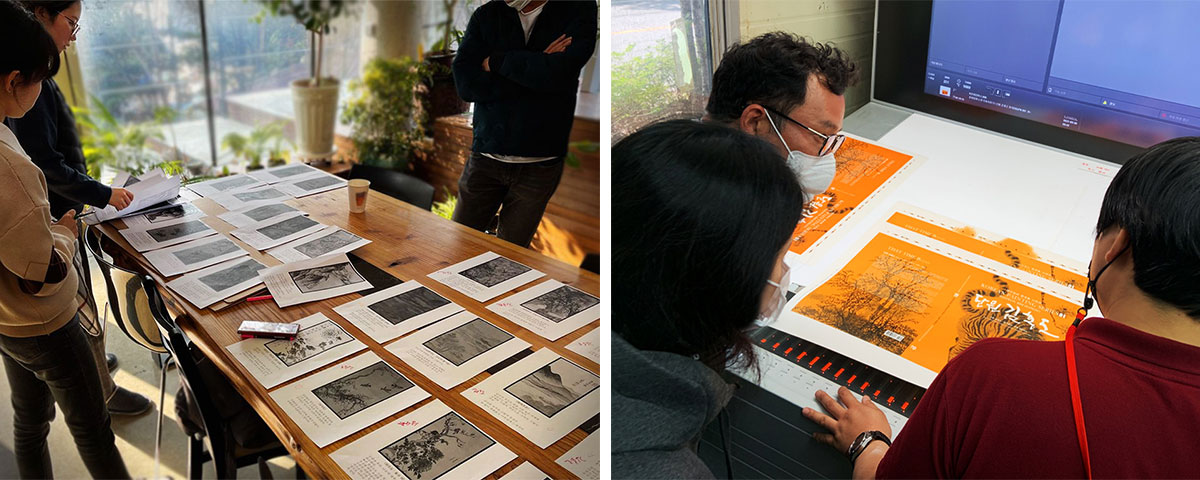
Production meetings and print supervision sessions for the <Korean Painting Series>
What we emphasized in the <Korean Painting Series> was the vividness that makes it feel as if you’re looking at the original artwork. So far, we’ve featured works by Danwon Kim Hong-do and Gyeomjae Jeong Seon. Compared to existing Korean painting catalogs with lower image quality, Daetimebi’s <Korean Painting Series> has been refined to the point where it feels like you’re viewing the originals.
We went to great lengths to secure high-resolution images, even tracking down and personally contacting descendants of the families that own the original works. Additionally, we consulted with Master An Chi-yong, a Living National Treasure for Hanji craftsmanship, to produce the books using a material similar to the hanji on which most of these Korean paintings were originally created.
Because each work undergoes such meticulous restoration—typically taking a month per piece—we were able to create a book that gives readers the sensation of viewing the actual paintings.
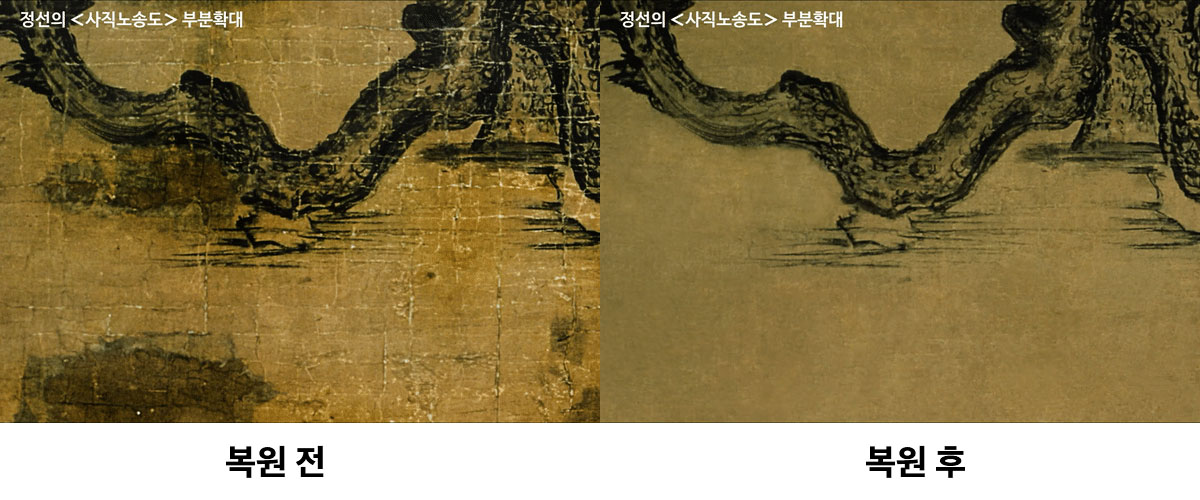
To explain the digital restoration process in a bit more detail: first, we piece together the torn sections of the painting, restore lost colors, and remove discoloration. We then adjust the overall color balance of the work, taking into account the original hues of the hanji or silk before the pigments were applied.
We put so much effort into our work that we even zoom in to restore details as small as a thatched cottage deep in the mountains or a tiny figure in the painting. Since each book requires a production process of over a year, the difficulty level is quite high.Because I often work through the night for longstretches, my eyesight has deteriorated significantly (laughs).
So, these lengthy processes often feel overwhelming. But when I compare the artwork before and after restoration, the joy and sense of fulfillment are truly indescribable. It’s because of that moment that I’ve been able to keep working all this time. When people see the works we’ve restored, many say, “I didn’t know Korean painting could be this beautiful,” and they finally come to appreciate its beauty.It makes me feel incrediblyproud ,and, in turn, we’re the ones who end up being moved.
The “Patriotic Virtuous Cycle”
‘Virtuous Cycle of Patriotism’
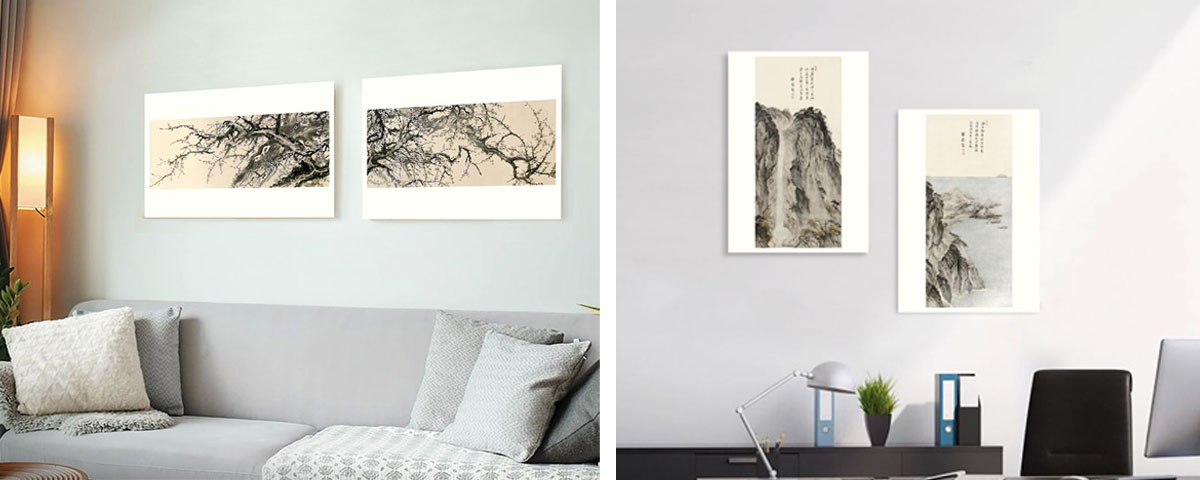 Not only that, but earlier this year, ‘Korean Painting Mari Gallery Series’. This project involved creating posters so that people could enjoy Korean paintings in large, museum-quality sizes wherever they wanted.
This funding campaign began at the request of supporters whohad participated in the existing <KOREAN Painting Series 1> episode featuring Kim Hong-do. For us, it was an opportunity to discover new needs through wadiz and to try out a new way of promoting Korean painting.
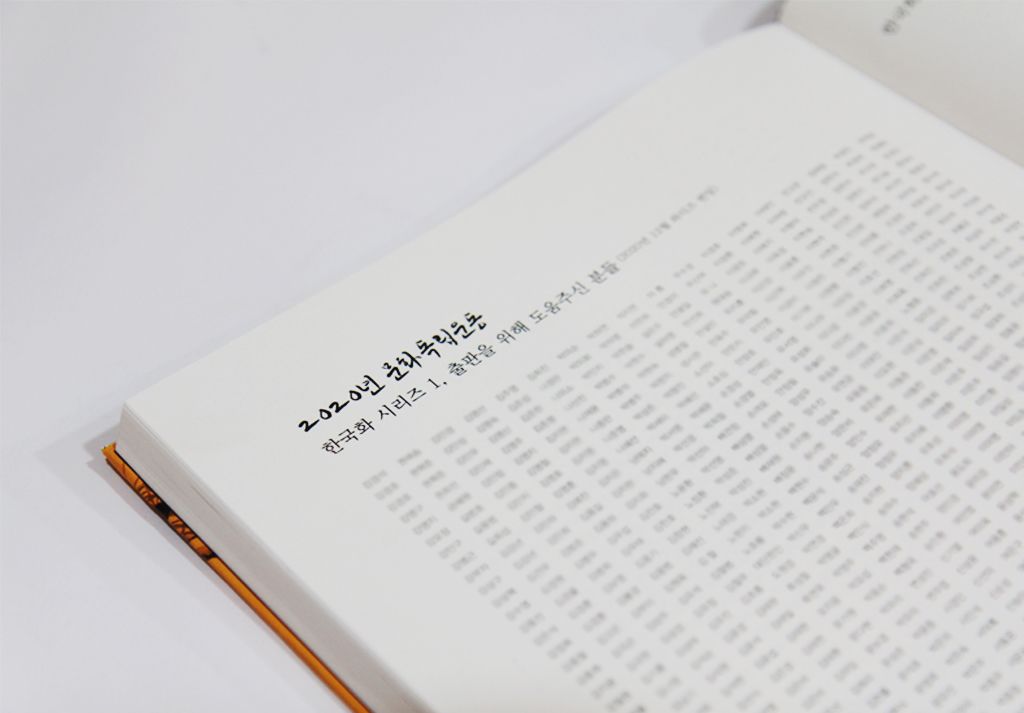
Supporters whose names are featured in the book as participants in the “Cultural Independence Movement”
Over the past two years, as we’ve continued our funding campaigns with the “Korean Painting Series” and the “Mari Gallery Series,” we’ve restored approximately 100 to 150 works while promoting Korean painting. During a time when even the National Museum of Korea was restoring only one or two pieces at most, we were able to achieve significant results thanks to the cheer and support of our supporters.
The funding raised through crowdfunding has enabled us to restore additional works, creating a system where we can then share these restored pieces with an even wider audience. This is why we include the names of our supporters—who have participated in what we call this “virtuous cycle of patriotism” and helped make this publication possible—in the book. We viewthis as a modern-day cultural independence movement.
Wadiz Funding: A Valuable Learning Experience
We plan to continue introducing more Korean paintings and artists through the <KOREAN Painting Series>. Nowthat the funding campaign for <KOREAN Painting Series 2: Gyeomjae Jeong Seon> has successfully concluded, our goal is to deliver the finished products to our supporters by the end of December.
If you’re considering launching a funding campaign, I’d like to encourage you to take the plunge—even if you’re scared, afraid of failure, or overwhelmed by worries. Rather than focusing on succeeding on the first try, it’s better to approach it with the mindset that whether you succeed or fail, the experience itself becomes a valuable asset.
I was really scared and anxious myself, but I went ahead and did it anyway. I think you’ll achieve better results if you take the time to really consider what the project will mean to your supporters. We at Daetime B plan to continue creating meaningful projects, just as we have done so far, so we’d appreciate your continued support.
Written byJeong So-jeong, Edited by Han Ji-hye
▶ This content was first featured on the wadiz blog. If you’re curious about more stories on the blog, click!