[Character] The Rising Kidult Market: Cues from Funding
#1
IQBox Maker Kang Yu-jin’s
"Character Funding: A Success"
"IQ Box" Maker Profile
Brand Name | Brand Launch Date | Flagship Project | Number of Supporters | Funding Goal | Satisfaction Rating | Total Number of Funding Campaigns | Cumulative Funding Amount |
|---|---|---|---|---|---|---|---|
IQ Box | November 4, 1994 | 301 people | Approx. 70 million won | 5.0 | 3 times | Approx. 130 million won |
3-Line Summary
- IQ Box, which introduces global toy brands to the Korean market, turned to wadiz as it expanded its marketfrom offline-focused sales to online.
- By launching a funding campaign for “Playmobil”—a brand loved by people around the world—IQBox showcased its beliefs and values.
- As a result, they resonated with “kidults” and achieved cumulative funding of over 100 million won and a satisfaction rating of 5.0. This success also helped them solidify their future online marketing strategy.
Everyone becomes an adult while carrying memories of their childhood
Q. Hello. Could you please introduce IQ Box?
Hello. IQ Box is committed to creating “happy memories” through playful experiences that blend culture and emotion. We import and distribute classic European toys, including Playmobil, in Korea. We started in 1988 as a subsidiary of the publishing company Samseongdang and have since become an independent brand.
After visiting toy fairs around the world, we realized just how many fun toys exist, and believing they are essential for broadening our children’s cultural experiences, we are focusing on introducing these international toys.
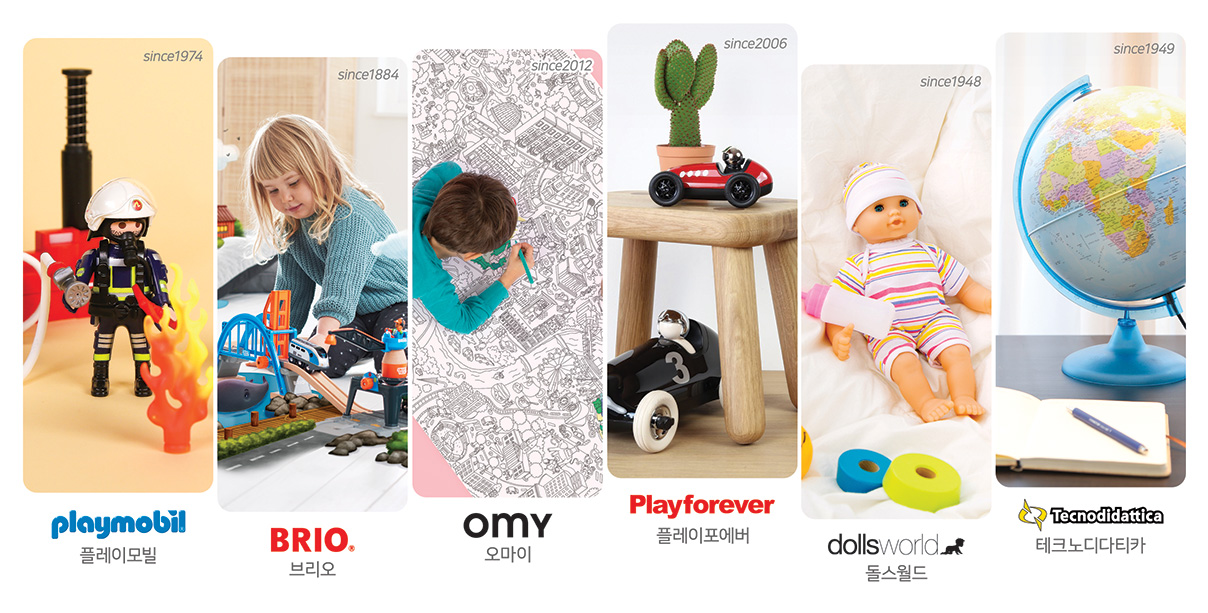
[Source] IQ Box website
Q. From Playmobil to wooden train sets and coloring products, you’ve introduced a wide variety of brands over the years. What are IQBox’s unique criteria for selecting brands and products?
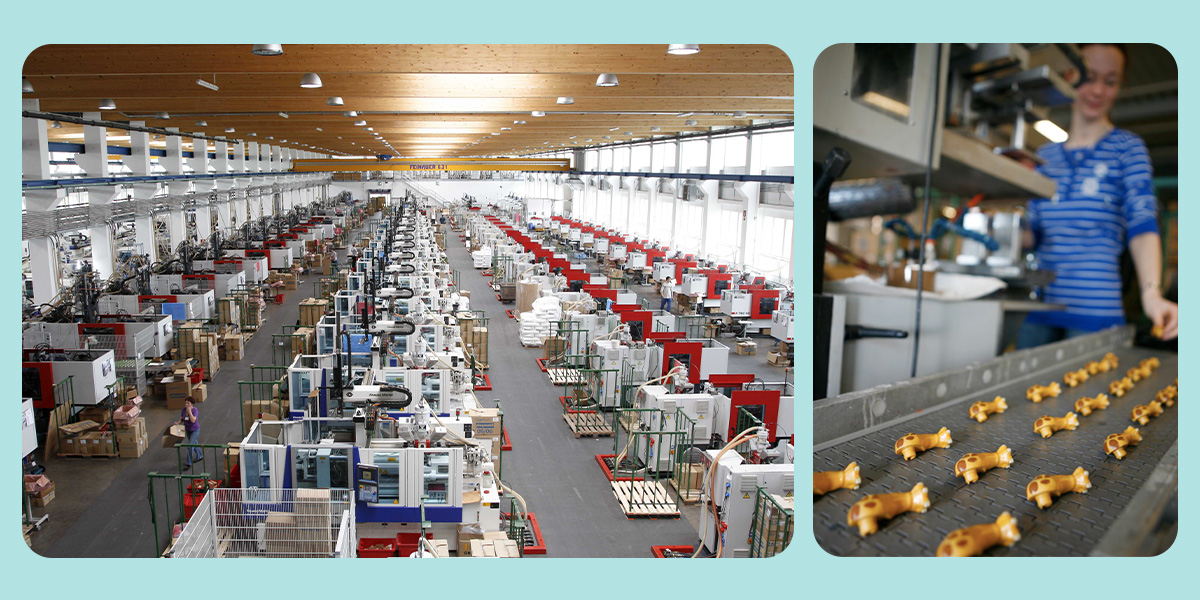
We place the greatest value on “sustainability”—a quality thatremains unchanged over time. The brands IQBox introduces have long histories, spanning 50 or even 140 years. We believe that a brand’s longevity signifies that it is either unaffected by trends or leads a culture that transcends them.
The Korean toy market is based on character-driven animation, so it’s highly sensitive to change. But Europe’s time-honored brands are different. While they may be difficult to distribute due to low brand recognition, once they gain a foothold, they have the staying power to endure for a long time without being swept away by trends. I feel the most rewarded when people who were initially unfamiliar with the brands gradually come to recognize their true value.
Q. Could you explain what IQ Box defines as “Euro Play” and its significance?
That’s a fundamental yet challenging question. While each brand we introduce has its own play style and target audience, the common thread among European brands is that they pursue simple designs while remaining faithful to fundamentals like quality and safety. Theyalso advocate for “open-ended play” without instruction manuals.
In Korea, educational materials and toys usually come with instruction manuals, right? But European brands don’t include them. The children—who are the main participants in play—keep all possibilities open and figure out how to use the products on their own as they explore them. Finding meaning in their own way without being constrained by predetermined outcomes— That’s what we mean by “Euro Play.”
Q. Looking at your funding story and social media posts, I got the sense that you place great importance on nurturing “children’s aesthetic sense and emotional sensitivity.” Is there a specific reason you focus so much on childhood experiences?
It’s because we believe thatour attitude toward play is shaped by our childhood experiences. Even as adults, we draw vitality from our daily lives—and sometimes find comfort—through the toys we loved as children or characters we felt close to, like friends. The emotions we felt during the period when our attitude toward play and our instincts were established carry over throughout our lives and become our tastes. And I believe these things are easily passed down from one generation to the next.
Ultimately, it’s adults who give toys to children, and since it’s for their own children, they naturally think first of products that are precious to themselves as well. That’s why one of IQBox’s criteria for selecting brands is “toys that resonate with everyone from children to adults.”
From offline to online,
wadiz served as the stepping stone
Q. Having introduced premium toys for so long, you must have received many proposals for partnerships and collaborations across various channels. Why did you choose wadiz, despite that?
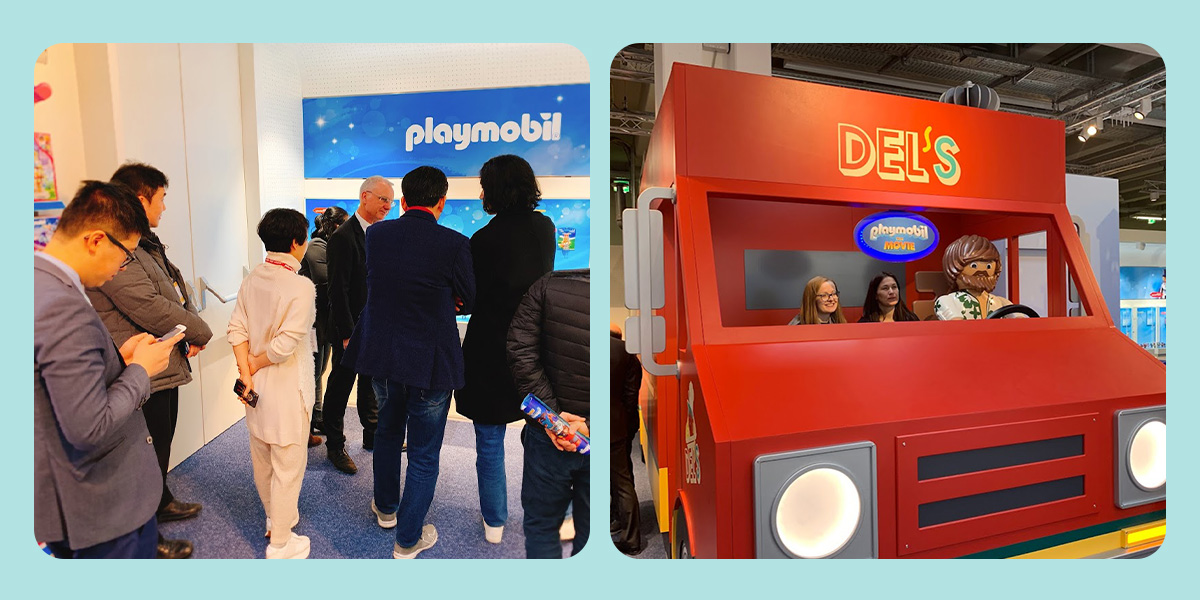
Up until now, we’ve connected with customers through exhibitions, pop-up stores, and department stores. We’d explain the products in person and let customers experience them firsthand. But then we realized that to grow the brand, we needed new customer segments and new channels, so we shifted our focus to the online space.
After comparing various platforms, I felt that wadiz’s funding was the most concrete. From writing the Story to designing Rewards and planning events, I gained hands-on experience and realized, “Oh, I can do it this way, too.” Working with people who supported us as passionately as if it were their own project, and seeing meaningful results take shape, naturally led me to continue with the funding campaigns.
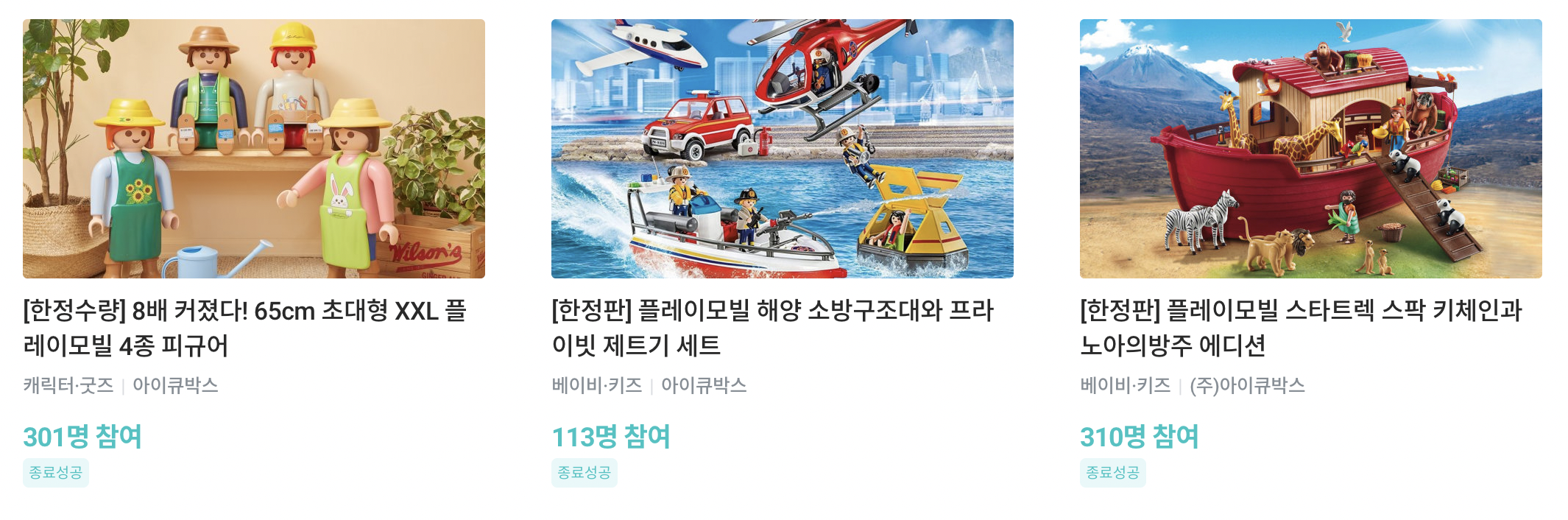
Q. Having run a total of three funding campaigns, what was the most challenging part? I’m also curious about how you overcame it.
Selecting products that would meet the high standards of our discerning supporters wasn’t easy, but finding the right selling points was the biggest challenge. Whereas before I had focused on a product’s physical characteristics or external conditions, on wadizI had to decide “which aspects to highlight as key selling points.”
Since I’d been conducting branding activities primarily offline, it wasn’t easy to identify what resonated with supporters and translate that into content. So, I sought help from an expert. While the cost was certainly a burden, I think it was a worthwhile investmentbecause it allowed me to bring to life ideas that had previously only existed as vague concepts in my head and helped me learn where I was falling short.
Finding the key to digital marketing through three funding campaigns
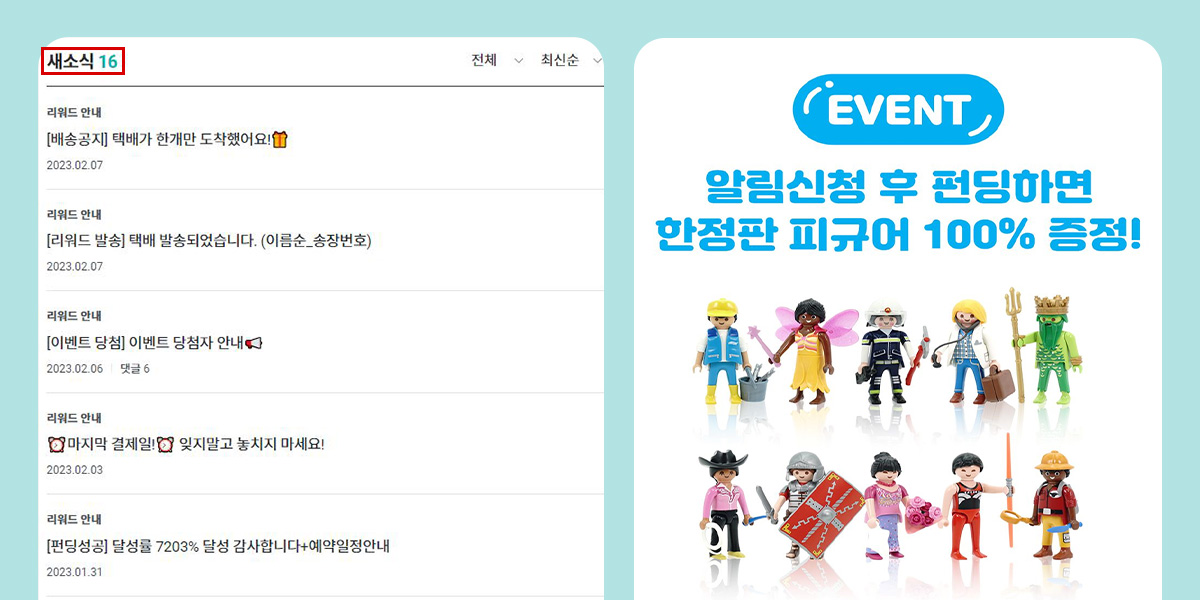
Q. I imagine that learning these best practices was only possible because of the effort you put in as a maker.
That’s right. I thought it would all be over once we launched, but that wasn’t the case. Analyzing data to attract people, preparing events at the right times, and publishing News—all of these tasks were unfamiliar to me, so it was a bit tough at first.
Still, as I started seeing results one by one, I began to feel hopeful, thinking, “If I keep doing this, something will work out .” Thanks to that, I now view advertising and content creation as investments, and based on what I learned during this time, I’m redefining my online branding strategy.
Q. It sounds like the journey to achieving a 5-point satisfaction rating wasn’t exactly easy. So, what do you consider to be the strengths of wadiz based on your experience?
I thinkwadiz’s appeal lies in its ability to introduce both the value of the product and the brand itself. Online, you have to convince consumers based solely on the content on a single page, but standard product pages have limited space, and the content can vary depending on external factors like the manager’s perspective.
However, wadiz Stories are structured around a clear selling point, and the maker is directly involved in the production process. It’s rare to have the opportunity to share a brand’s story in such detail, so I really appreciated that wadiz made it possible.
Q. What differences do you see between consumers on other e-commerce platforms and wadiz supporters?
I think what characterizes wadiz supporters istheir open-mindedness—they’re willing to participate in funding without worrying about the price if they believe it’s a good product, and they’re willing to wait nearly a month for it.
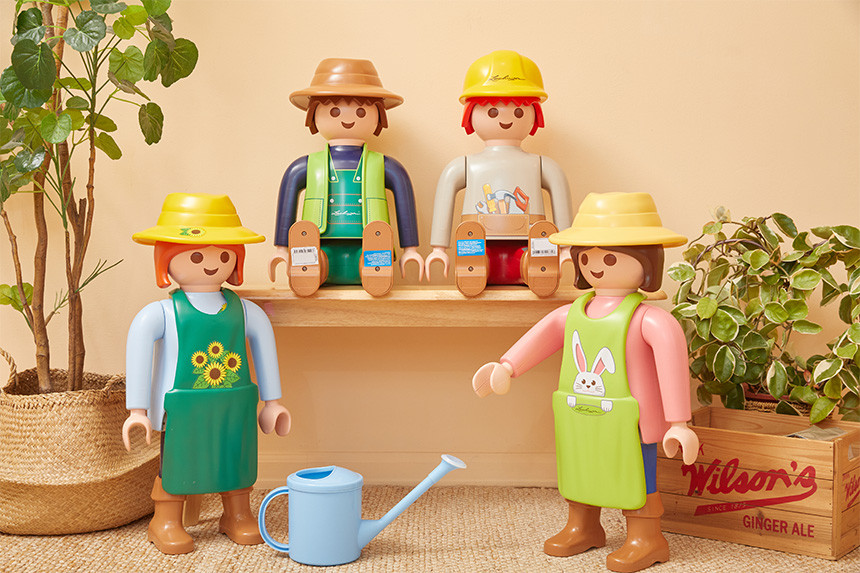
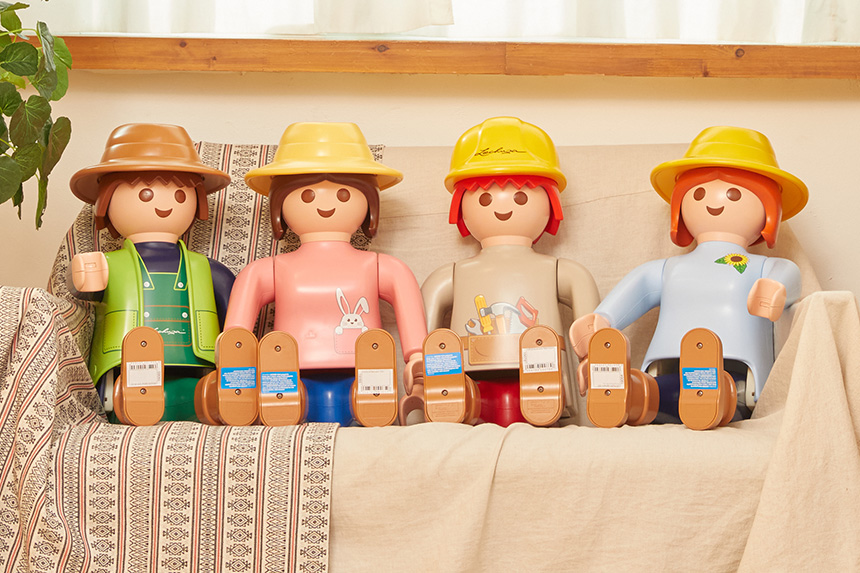
For the 65cm XXL figurine, which was one of the rewards in a past funding campaign, we had a hard time deciding on the rewards package because the number of units we could offer individually was limited. Eventually, we decided to present the main product and a secondary product as a set. I was surprised that so many people participated in the funding despite the price not being low. I was grateful that they recognized it’s a product that truly shines when all the pieces are together.
Break the mold, and a whole new world will open up
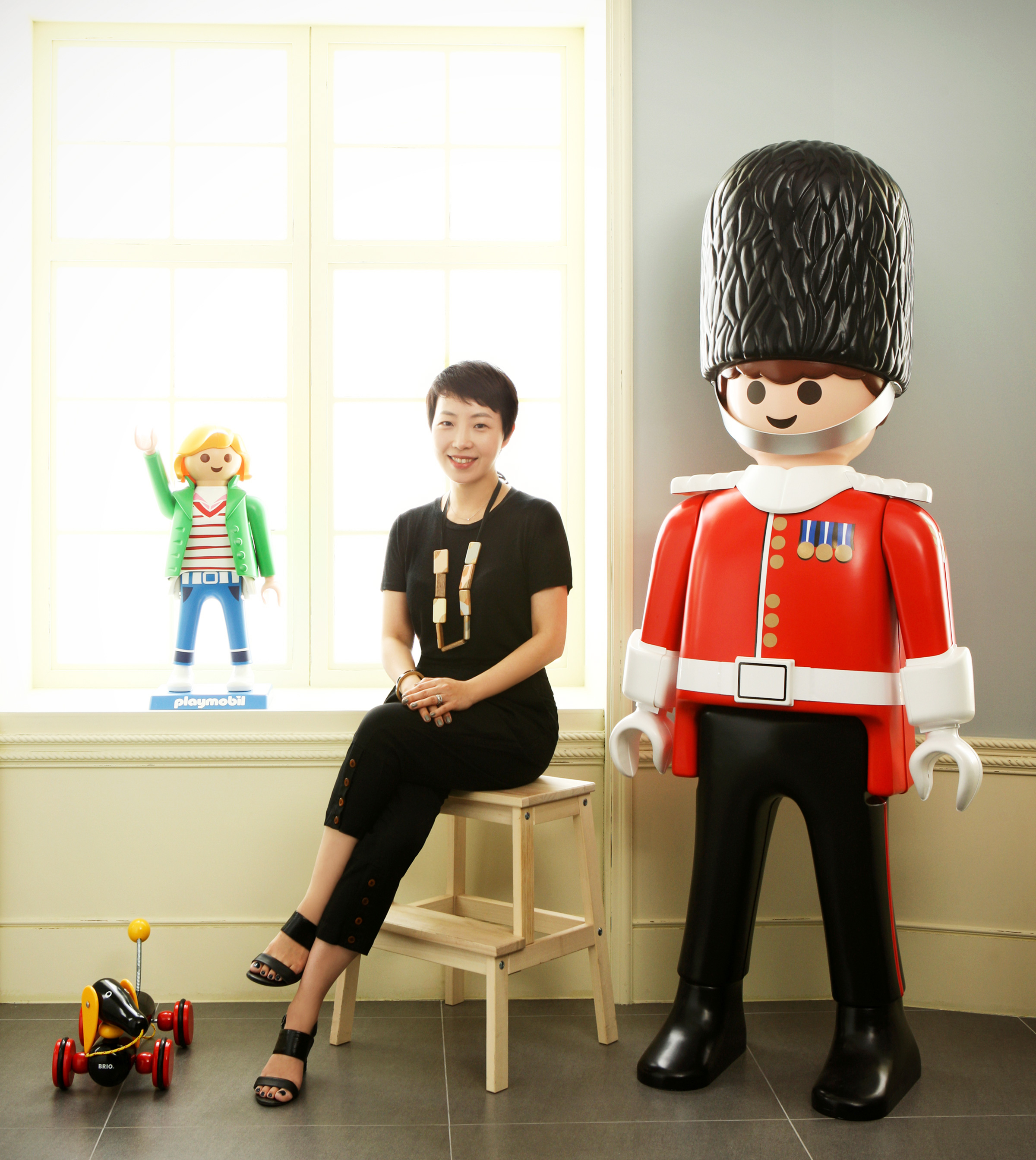
Q. With your extensive experience in the industry, you likely have a unique perspective on the market. What trends are you paying attention to these days?
Due to declining birth rates worldwide, the kids’ market is shrinking day by day. Even the character-based toy market, which has a loyal fan base, has stagnated. With the number of children limited, interest in “kidults” (kid + adult)has grown. You’ve likely seen many examples of brands combining toys with adult interests—like cars and coffee—or expanding their product lines through collaborations with other brands. I believe this is a time when inclusivity—appealing to both children and adults—is crucial.
Q. Given this trend, what should you consider if you’re planning a wadiz funding campaign?
When planning your product sourcing, it would be a good idea to prepare products exclusively for wadiz. Of course, rather than launching a “wadiz-only” campaign from the very beginning, you should wait until you’ve gained some experience and built up your own data.
In the case of IQ Box, we ran two funding campaigns featuring role-playing products for children, and in the third campaign, we introduced Rewards for adults. Looking at the results, the third campaign had a larger scale and received better reviews. It seems there are more “kidults” on wadiz than I expected, so next time, I plan to introduce products tailored to them.
Q. Finally, do you have any advice for aspiring makers looking to introduce new products to the Korean market through funding?
I hope you’ll think deeply about your product’s unique selling points and what your supporters are looking for. Especially if you’ve primarily operated offline or emphasized your product’s physical characteristics, you need to recognize that online customers are completely different and understand what they want.
After that, it’s important to effectively communicate this—I recommend actively drawing on the funding know-how provided by wadiz and, if necessary, seeking help from experts. If you break free from your existing mindset, I believe a whole new world will open up for you.
Did the story of the maker “IQ Box” help you?
📚 We’ll share more success stories with you.
Stay updated on Maker Center—where taking on new challenges becomes easier—via
📬 wadiz for Business Kakao Channel.
Written by Jeong Da-hye, Edited by Han Ji-hye