"Freebon International," a maker founded by an entrepreneur who leveraged 26 years of experience as a department store merchandiser to launch a business in agricultural and food distribution
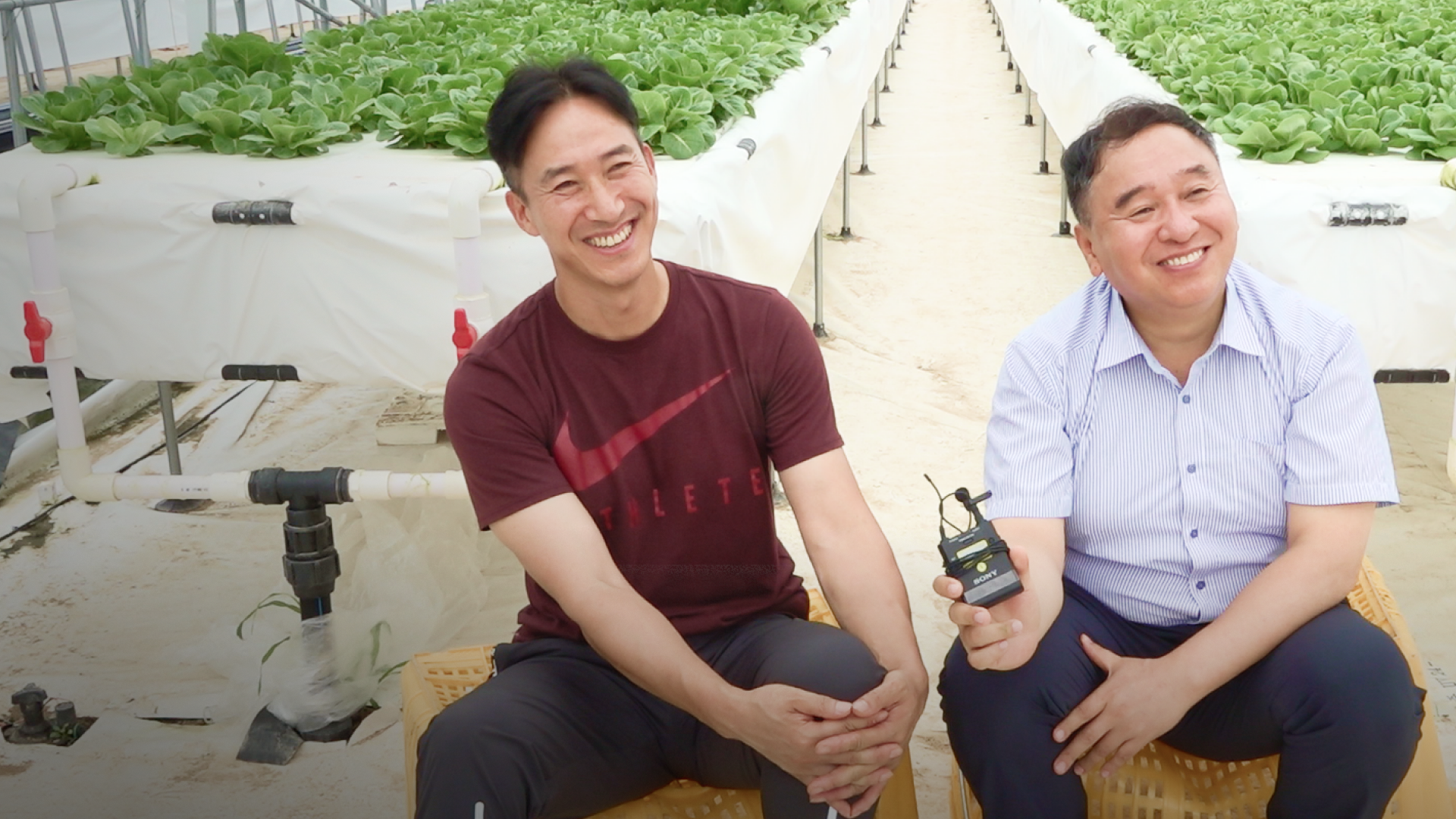
* "Behind the Funding" is a series on wadiz that features the startup stories of makers taking on meaningful challenges, as well as behind-the-scenes stories about their funding campaigns, pre-orders, and store listings.
✨ Today’s maker: Freebon International This maker has opened a store on wadiz, distributing agricultural and food products ranging from salad greens and soft-boiled eggs to Hanwoo beef and fried squid. 🙌 Here’s what you’ll learn! - Freebon International’s distribution philosophy and what the CEO does - Why a 26-year veteran department store merchandiser decided to start a business - The pros and cons of corporate life versus starting a business - Advice on returning to farming from Yoo Ki-chun, CEO of “Cool Farmer” |
Yesterday, I ordered salad greens from wadiz. The very next day, 15 different kinds of salad greens were on our dining table. Today, I bought soft-boiled eggs seasoned with Himalayan salt from wadiz. I’m so excited to have a snack with fresh soft-boiled eggs tomorrow!
Buying fresh produce delivered directly from the source via the wadiz Store has become part of my daily routine. Today, I sat down for a chat with the CEO of Freebon International, a leading maker in direct-from-source delivery.
Freebon International: Collaborating with Carefully Selected Farms
- Freebon International’s Distribution Philosophy and What the CEO Does
Q. Hello, CEO~
Please tell us a bit about Freeborn International!
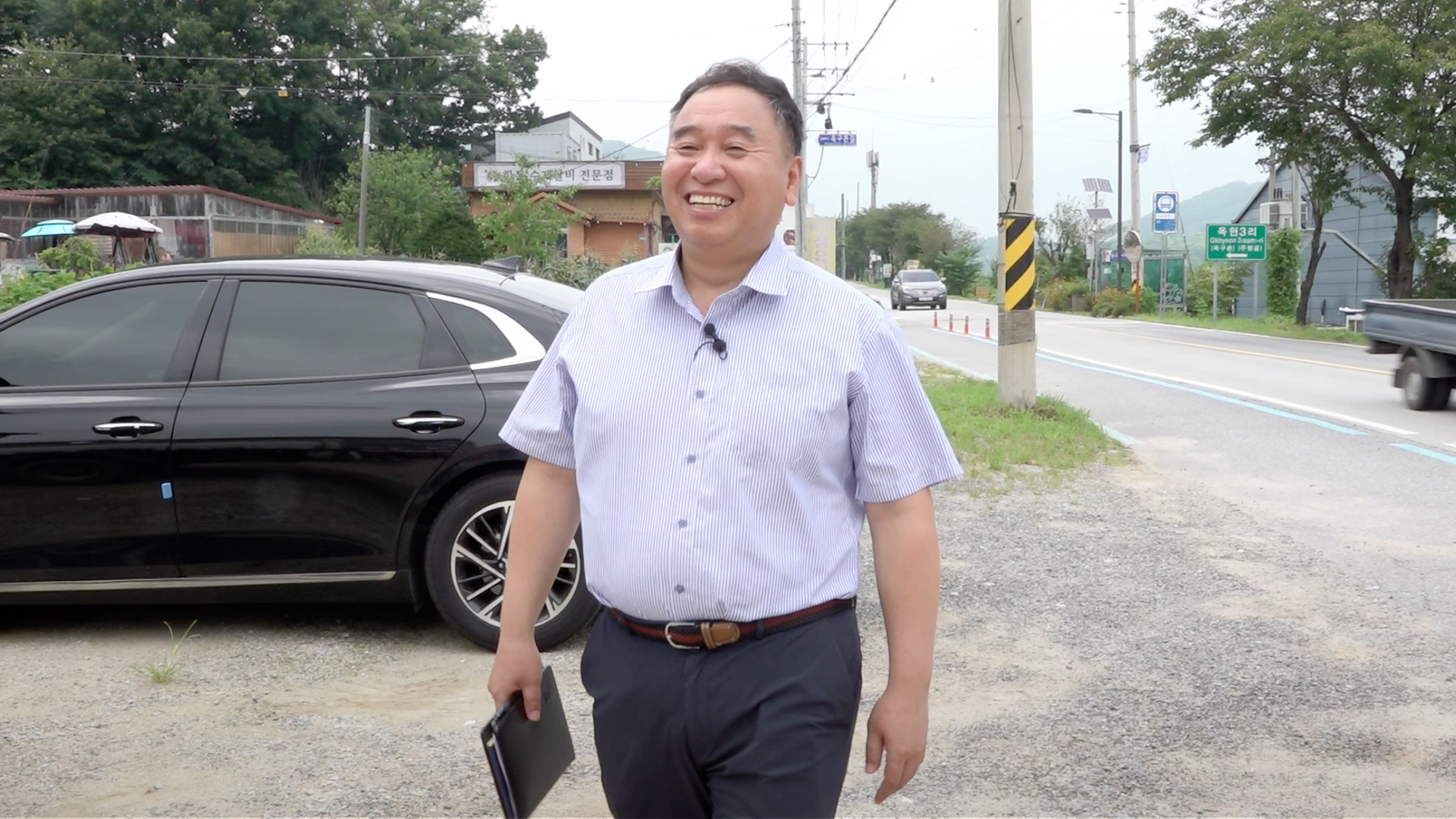
Kim) Nice to meet you. I’m Kim Jong-woon, CEO of FreeBon International ☺
We’re a distribution company that was incorporated in August 2022, so we’re turning two this year, and we mainly deal in fresh foods.
Our product lineup includes seasonal fruits, salad greens, and seasonings. Our main product categories are snacks that are easy to enjoy at home and beef products, such as bulgogi.
Our slogan is to offer healthy, high-quality products to our customers at reasonable prices. That’s why we’re very thorough when selecting the farms we partner with.
Q. I’m also curious about how many farms you work with.
Kim) We work with about 20 farms nationwide. You could call them the “hidden masters” of the country, I suppose? We’re still actively seeking out producers with this level of excellence.
However, we place great importance on expertise, trust, and the ability to provide a consistent supply without any fluctuations in product quality.
We don’t just check things over the phone or online— we go directly to the farms to inspect the products, taste them, and even conduct tests as part of our verification process.
That’s why we can’t increase the number of farms all at once.
Q. So, do you mainly travel to farms to source products?
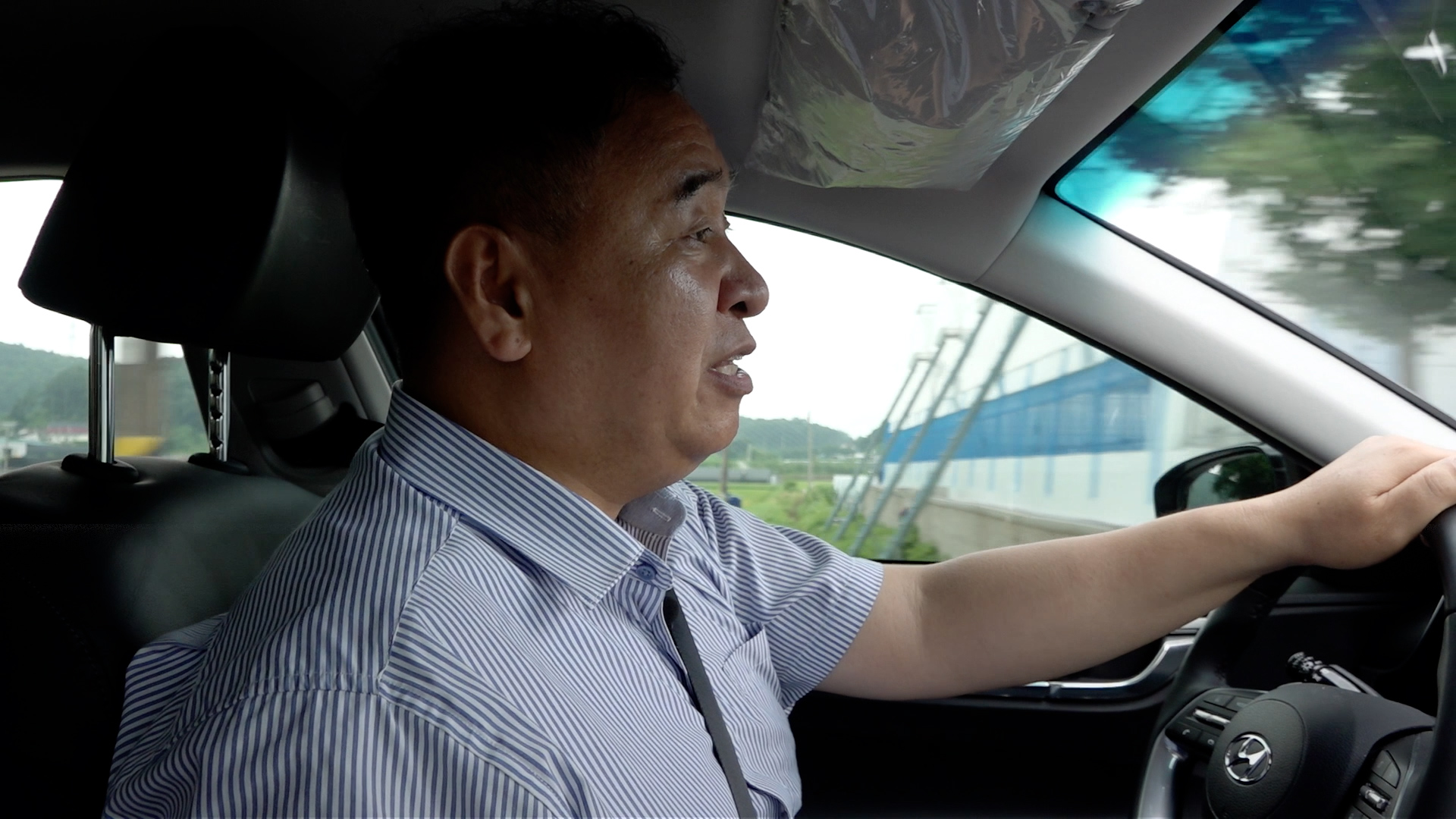
Kim)I also meet with farm owners to provide management consulting. There are many excellent farms that focus solely on offline sales. As a result, they often lack a good understanding of the online market.
I meet with these farmers, collaborate with them, explain the online market, and conduct joint marketing campaigns.
If there’s a product that can create new value beyond what’s currently being sold , we collaborate with manufacturers or local producers to develop new products.
Q. Could you give an example?
Kim) I’d like to use a salad vegetable farm I’ll be visiting soon as an example. People usually think of salad vegetables as something you just wrap in a leaf and eat with a meal, right?
But the younger generation is very health-conscious and prefers vegetables that can be eaten in salads.
So when I talk to the farmers, I suggest, “Let’s package only the vegetables that are best suited for salads, rather than the traditional wrap vegetables.”
The Story of How a Former Coworker Became a Business Partner
- Why a 26-Year Department Store Merchandiser Decided to Start a Business
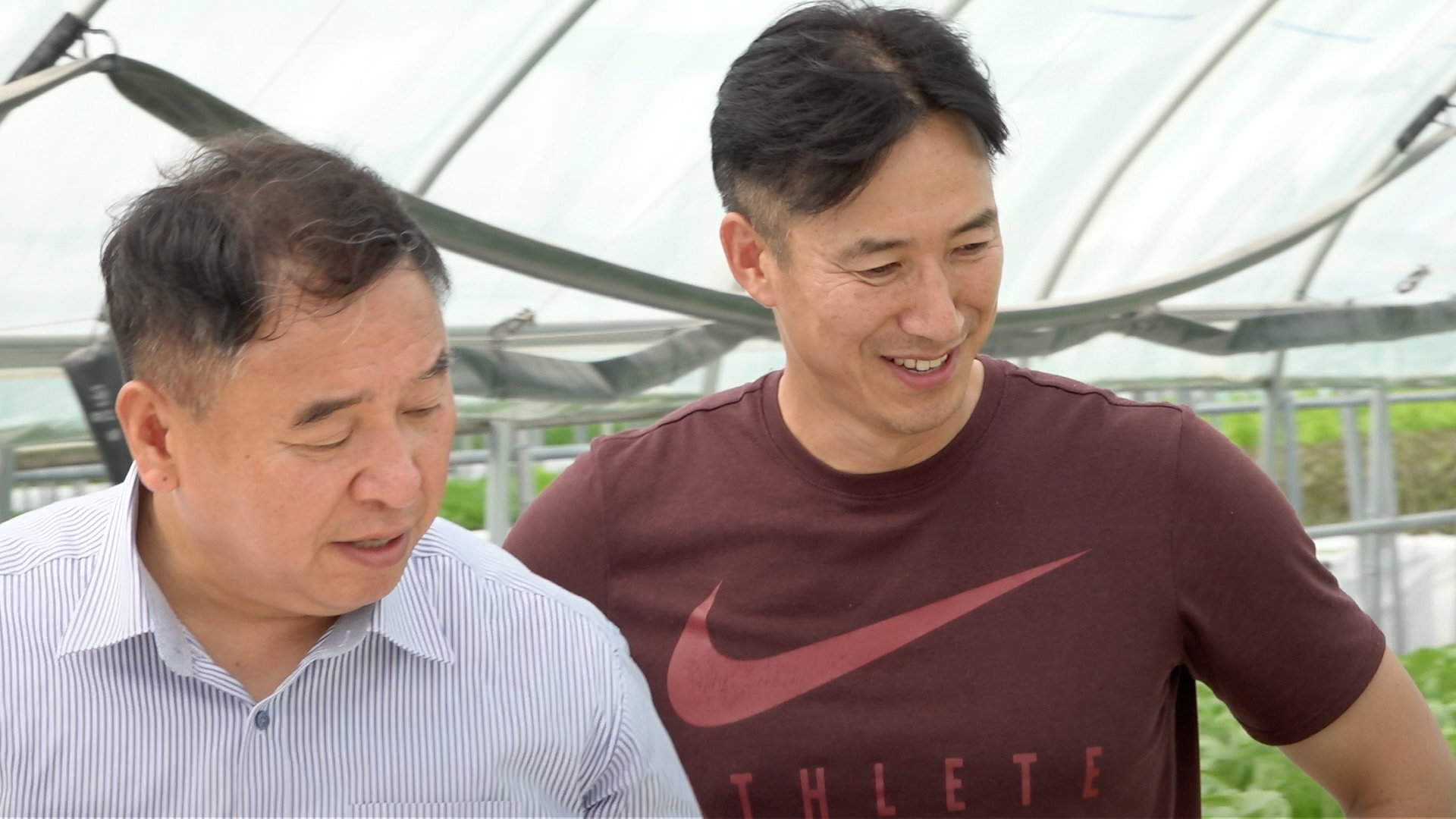
We arrived at the farm of Yoo Ki-chun, CEO of “Cool Farmer,” a wrap vegetable producer, after riding in CEO Kim Jong-woon’s car. They exchanged warm greetings and asked after each other’s well-being.
We discussed whether the farm was holding up well despite the recent heavy rains and what the current trends in agricultural products were… I sensed a certain camaraderie in their conversation.
Q. You two seem to have a very special bond.
Kim) Yes, that’s right. Yoo Ki-chun, CEO of “Cool Farmer,” a wrap vegetable farm, is a friend who joined the company as a junior employee when I was working at Galleria Department Store.
Q. What an interesting connection!
What did you do before starting your business?
Kim) I worked in merchandise sourcing at Galleria Department Store for about 10 years. Then I worked at Lotte Super for nearly 15 years.
I started out as a field buyer. That involved visiting farms in production areas to negotiate and check quality. I think I followed that process—setting unit prices and supplying and selling products to the company—for over 20 years.
Through my work as a merchandiser, I got to know many producers across the country and built trusting relationships with them. That’s proving to be a huge help now.
Q. You have an impressive career—what made you decide to leave your job as an agricultural products MD and start your own business?
Kim) It wasn’t so much to start my own business as it was that time had passed and I was nearing retirement, so I quit. I wondered if there was anything I could do that would make use of my career experience, and that’s how I ended up starting my own business.
Actually, I’m a farmer’s son. I even helped my parents with farm work until I was in middle school. (Laughs)
Another reason was that, while I’d been doing static sales at brick-and-mortar stores, I wanted to take on the challenge of the online market. Since the online world is so dynamic and fast-paced, I felt it was time to try a new approach to the distribution business.
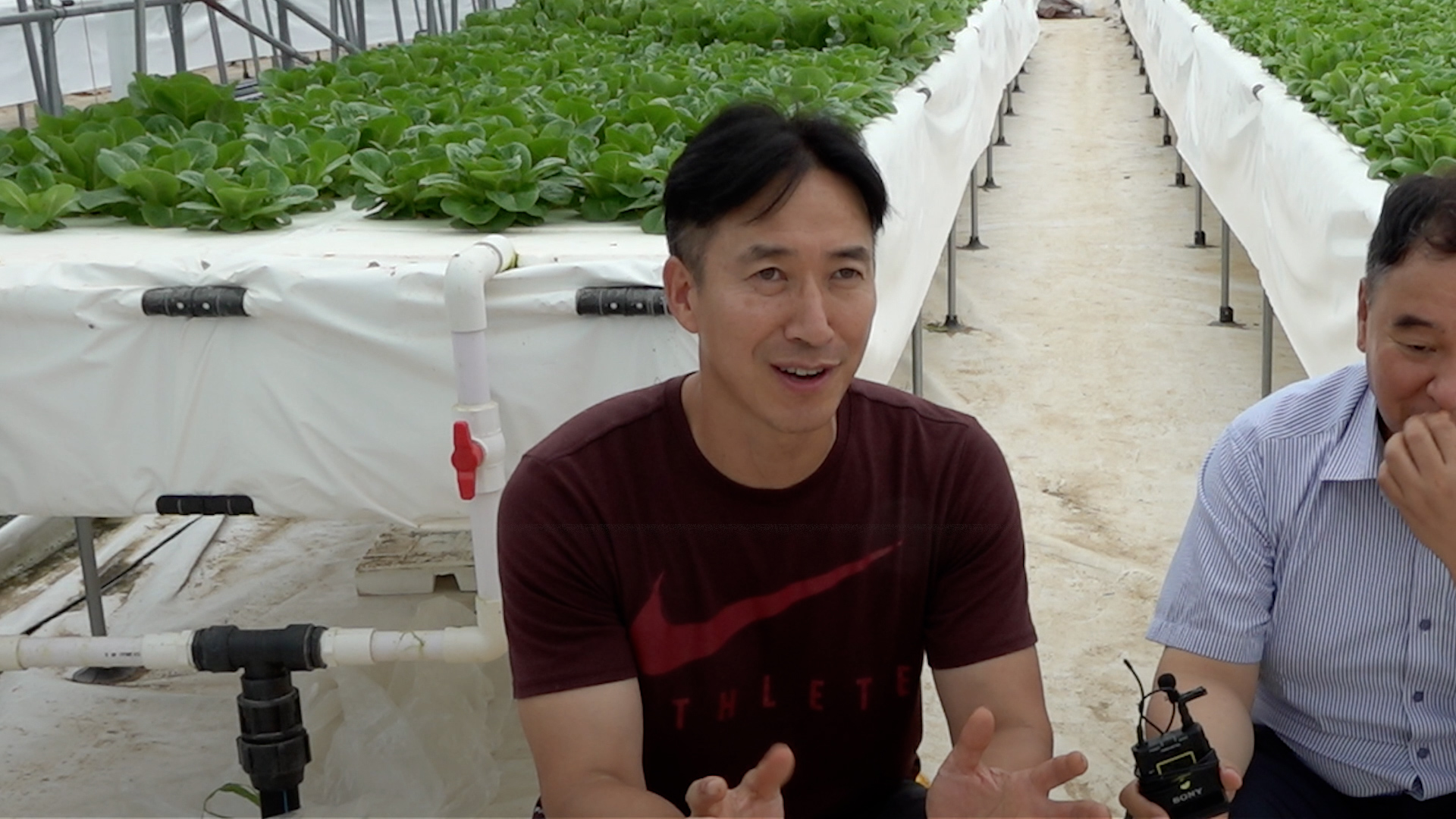
Q. I’m curious if CEO Yoo Ki-chun was also involved in the same line of work. Could you please introduce yourself?
Yoo) Hello, I’m Yoo Ki-chun from “Cool Farmer.” When I joined Galleria in 2000, I was in charge of agricultural products.
CEO Kim Jong-woon here was a section chief at the time, and watching him inspired me to dream of becoming an agricultural buyer myself someday.
After all, only truly skilled people could work as buyers for produce like radishes and napa cabbage.
Q. You nurtured your dream by watching your senior—that sounds quite romantic, doesn’t it?
I’m curious why you turned your attention to returning to farming after nurturing your dream of becoming an agricultural buyer.
Yoo) As you know, there’s a saying in the corporate world that “crisis is opportunity.” The last time I gave my all at work was when I was handling contract farming agreements with producers.
As the term “contract farming” implies, our company was responsible for purchasing the produce, but when the COVID-19 pandemic hit, restaurants lost all their customers.
So we ended up selling those products online together with our partner companies, and it just so happened that I had reached the age where I had to decide whether to continue my corporate career.
Like you, I think I also wondered, “What am I best at?” Since both my work and my major were related to farming, I chose this path. Now, I think it was a good choice.
What do entrepreneurs and farm owners think when they look back on their careers?
- The Pros and Cons of Corporate Life and Entrepreneurship
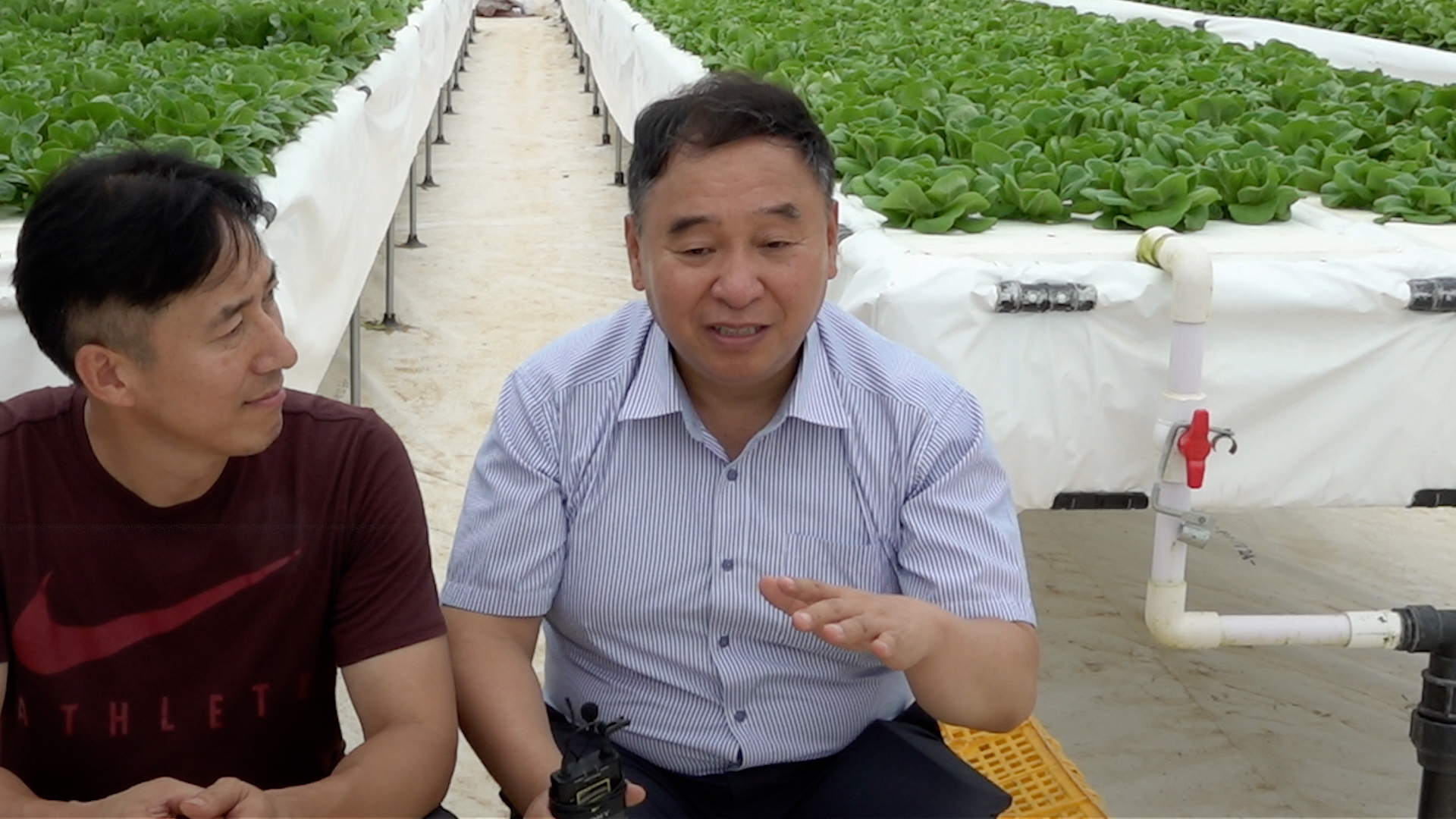
Q. Looking back on your past corporate career, what comes to mind?
Kim) I find myself wondering, “If I hadn’t worked as an MD and hadn’t visited the production sites, would I have been able to start my own business?”
As I mentioned earlier, I believe the relationships of trust I built by faithfully performing my duties as an MD are what have led to my current collaborations with farm owners.
When working in a corporate setting, there’s a concept called “passion for one’s job”—not “loyalty to the company,” but “passion for one’s job.”
I believe you should approach your work with a love for your job and focus on developing your skills.
Q. What about CEO Yoo Ki-chun?
Yoo) I view corporate life as an experience. Among all those experiences, “networking” seems to be a truly valuable asset for me.
Don’t make enemies while you’re working. If you get along well with people and build relationships, it will pay off in the future.
If I’d had a bad relationship with our CEO in the past, I wouldn’t see him. (Haha) I wouldn’t even contact him.
It’s nice to talk with CEO Kim Jong-woon—it’s always fun.
A former merchandising manager who worked at a single company
met me again after about 15 years
I can’t help but wonder if there wasn’t some kind of divine intervention
I can’t help but wonder.
Kim Jong-woon, CEO of Freebon International
Q. Do you ever find yourself thinking, “Those were the good old days at the office”?
Kim) To put it simply, office workers are like flowers in a greenhouse. In contrast, we’re like wildflowers blooming in a field.
At a job, you do what you’re assigned within the organization, but once you step outside the company, you’re doing “your own thing.” I feel a huge difference in that I have to be involved in everything from A to Z, and that responsibility rests entirely on my shoulders.
But after some time has passed, I find myself thinking, “I’m glad I started this business.”
Q. CEO Yoo Ki-chun, are there times when you feel you made the right decision to return to farming?
Yoo) I think there are definitely pros and cons. When you run a business—especially for people like me who farm—it’s not a large organization. Because of that, I found it lonely at times.
On the other hand, it’s great that the output reflects how hard I work.I guess that’s whatdrives me?
I sleep a little less, meet more people, and work even harder while chasing my dreams. If I’ve achieved this much this year, I’ll reach an even higher level next year.
When I was working a regular job, there was a limit to how high I could climb, but this business seems to have an energy that keeps my heart racing.
The first thing to do when considering a return to farming
- Advice on returning to farming from Yoo Ki-chun, CEO of “Cool Farmer”
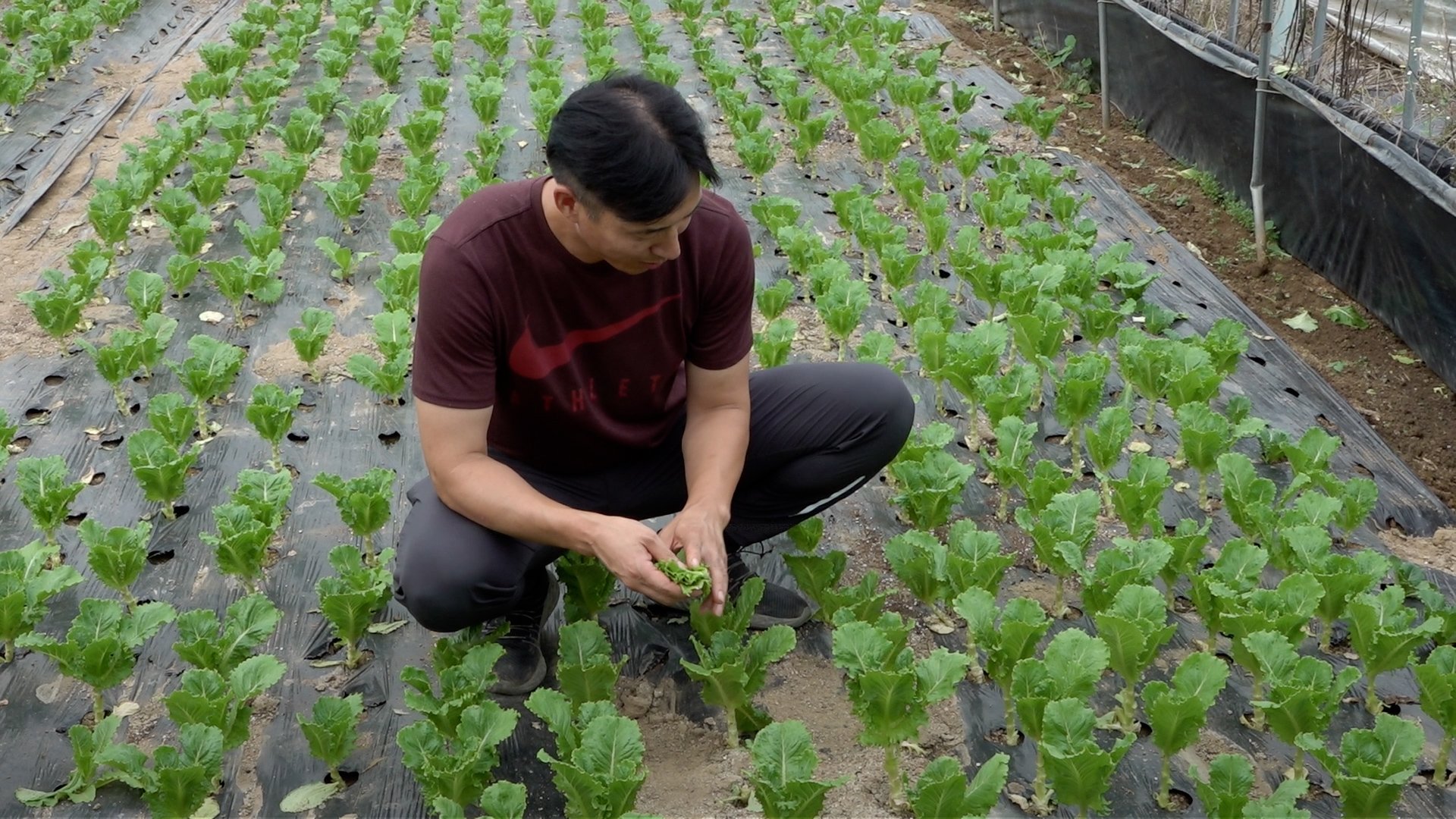
Q. It seems like a lot of people are thinking about returning to farming these days.
CEO Yoo Ki-chun, do you have any advice for them?
Yoo) Making money through farming is by no means easy. You’ll go through a lot of trial and error, and you’ll need some capital.
Our country’s policies prioritize support for young people. These support grants are actually loans that you have to repay.
However, since it’s too easy to get a loan, people often start farming after receiving hundreds of millions of won right off the bat.
Making money from farming requires production capacity. You also need the ability to sell your produce.
But those who are fixated on facilities tend to plant crops without thinking, and when it comes time to sell, they often can’t sell them properly and end up with bad credit.
So, if any of you younger folks are interested in agriculture, come work at a company like ours to learn the ropes.
If you spend a year or two here—not with an office worker’s mindset, but with the goal of eventually striking out on your own—everything from start to finish will feel fresh and new to you.
First, come to a company like ours to learn.
Since farming has to suit your aptitude,
so gain experience, build your production capacity,
and after gaining experience and building your skills while meeting people,
I believe that’s the best approach
.
Yoo Ki-chun, CEO of Meokjeon Nongbu
Today, we met with CEOs Kim Jong-woon and Yoo Ki-chun and had a very insightful conversation. Next week, an even more informative “Freebon International Part 2” awaits you!
🗣 Spoiler for Part 2
1️⃣ Tips on the challenges faced in the early stages of starting a business in agricultural and fresh food distribution, and how to overcome them
2️⃣ The story of how they developed a unique soft-boiled egg product—in addition to salad greens—and increased sales by more than 10 times
3️⃣ The story of how they were able to launch on the wadiz Store without funding or pre-orders
4️⃣ Plus, our plans for the future!
We’ll share all the details, so be sure to visit the wadiz maker center again next week!
Want to see the behind-the-scenes of the funding campaign in a video? 👇
Introducing Freeborn International’s diverse product lineup 👇
https://www.wadiz.kr/web/maker/detail/5314611
We’re also introducing “Cool Farmer’s” salad greens 👇
https://www.wadiz.kr/web/store/detail/7935
▶ How to Start a wadiz Project
📌 Benefits for makers! How to launch a project while participating in a curated campaign