[Wadify #9] A World First! Cat Mind Research Institute Attracts 1,500 Supporters with a Cat Brush
What is Wadipay?
"Miracles don’t just happen."
We’re carefully compiling the success stories of makers who’ve successfully completed funding efforts and spreading them far and wide, like Wi-Fi, to gift new makers with their own miracles.
There are people who can make an hour feel like a minute just by talking about cats. People who don’t hesitate to take on a second job, driven by the desire to create quality products for their cats—who are like family. Seeing their love for their beloved “kitties,” I even briefly thought that in my next life, I’d be happy to be a cat with them as my cat parents. We met the makers behind “Cat Mind Lab”—a name that exudes the spirit of a true cat enthusiast—who captivated 1,500 cat owners with “Tssam-i,”the world’s first cat brush designed from a cat’s perspective.

From left: Kim Kyung-ok, CEO of Studio Olive; Dr. Na Eung-sik, veterinarian; Dr. Cho Kwang-min, veterinary behaviorist and therapist; and Jang Young-nam, Editor-in-Chief of Cat Lab
wadiz: Hello. Could you please introduce yourselves as makers?
Editor-in-Chief Jang Young-nam: Hello. I’m Jang Young-nam, an editor for an interior design magazine and the editor-in-chief of *Cat Lab*, a cat magazine. I’ve been raising cats for about 7–8 years. I’ve worked as an editor in the interior design field for a long time, and I’ve been interested in design since I was young. From a designer’s perspective, I noticed that there aren’t many well-made products for cats. That’s why I started running a curated shop that sells products designed with both pets and their owners in mind, which led me to join the “Cat Mind Research Institute.”
CEO Kim Kyung-ok: Hello. I’m Kim Kyung-ok, and I run the pet product brand <Studio Olive>. I started raising a cat a long time ago after a friend gave me one as a gift. However, I later found out that the cat had come from an illegal breeding operation. She had already been bred when she arrived at our home and gave birth just a few days later. It was a difficult time for both the cat and me, as I had never experienced anything like that before. As we got through that situation together and spent a lot of time together, I naturally grew attached to her.
I bought her some toys I thought she’d like, but they were all of such poor quality that I felt it was a waste of money. When you’ve raised a cat for a long time, it becomes more than just a pet—it becomes family. But when I looked around the space we shared as a family, I was bothered by the fact that the products designed for cats were so subpar. Since they’ve become family members we’ll live with for a long time, I wanted to create high-quality products that cats could use for years to come, so I started this business.
I can really feel your love for cats right from your introduction. I imagine that love was the driving force behind the creation of “Cat Heart Research Institute,” right?
Jang: That’s right. While running Cat Lab, I also developed products for cats myself. But since those were ultimately created from my own perspective, I felt something was missing. I thought it would be great to collaborate with people who have medical knowledge about cats and professional experience in product development to create products designed exclusively for cats. After hearing my story, an acquaintance introduced me to CEO Kim Kyung-ok, who was sitting right next to me, as well as Veterinarian Na Eung-sik and Veterinarian Jo Gwang-min, a specialist in animal behavioral psychology and therapy.
When I spoke with them, they told me they’d also been thinking about creating high-quality products for cats. They were struggling because they couldn’t handle the design or production themselves—and that’s exactly when we met. That’s how the “Cat Mind Research Institute” was born.
I imagine each of you has a clearly defined role.
Jang: Yes. The veterinarians propose concepts for products they think cats would benefit from and share the medical knowledge necessary for those products. Then, CEO Kim Kyung-ok, who is sitting next to me, develops the products based on her experience raising cats and creating products, while I craft the stories using my background knowledge of cats.
It feels like an Avengers team for cats. Even though you all have your own day jobs, I’m curious why you went so far as to form a separate project team to create the Cat Heart Research Institute.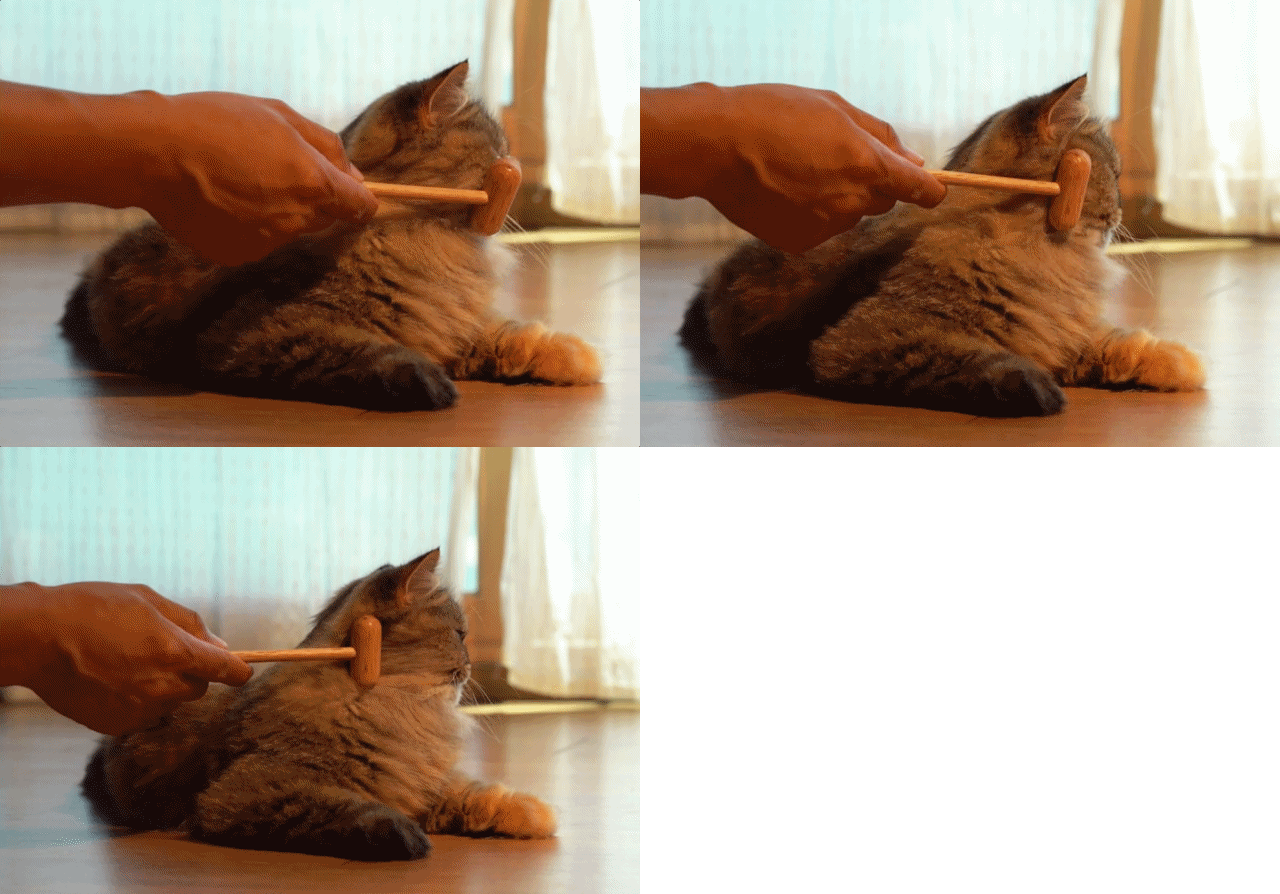 Kim: Cats are like Dooly. They live in the same world as us, but they seem to exist in a different realm. We want to help and be helped by them, but since we can’t communicate our thoughts or words, misunderstandings happen unintentionally—and as a result, they’re often abused and stressed.
Jang: That’s right. We’ve simply grouped dogs and cats into the “companion animal” category for our own convenience, but in reality, their natures are completely different. Dogs are social animals like us. They travel in packs and form hierarchical relationships within those groups. Since their way of life is similar to ours, we can understand each other’s words and feelings to some extent. But cats are independent animals. Their survival strategies and lifestyles are very different from ours. That’s why they require more meticulous care and detailed attention.
Kim: Cats are incredibly sensitive animals. That’s why there’s a significant lack of research compared to dogs. Since even a little stress can make them sick or even kill them, it’s impossible to conduct experiments on them. Not only in Korea but also overseas, academic research on cat behavior is absurdly scarce compared to that on dogs, so even veterinarians struggle to find data. Much of the information circulating online is non-professional and relies on personal experiences.
Jang: That’s right. That’s why we wanted to create products that help people acknowledge and understand the differences between humans and cats. We established the Cat Mind Research Institute because we believed that only when a pet cat culture—where cats and their owners form deep bonds—is properly established can both cats and people live happily.
There are many pet owners who think that simply feeding and providing a place to sleep is enough to raise a cat well. But what’s really needed is interest in and a sense of responsibility toward the animal.
Kim: That’s right. Even among cat owners, there are many who don’t really understand cats. They say that to truly care for someone, you need a deep understanding of them. Only then can you fully understand and care for them. It’s not just about loving the cat from your own perspective; you have to make sure the cat feels loved from its own perspective as well.
Since I make cat products, I often find myself wondering, “Why is the cat acting that way?” when I observe their behavior. It takes a long time to figure things out through experience. That’s why I really wanted to carry out this “Cat Mind Research Institute” project. It means a lot to me to create proper cat products while consulting with veterinarians.
Jang: In fact, the director of the veterinary clinic I go to says that when he examines cats, there are more cats that don’t get along well with their owners than those who do. It’s because they can’t communicate.
I thought the cat product market would be thriving these days since so many people are raising cats, so it’s ironic that there aren’t actually any proper cat products available.
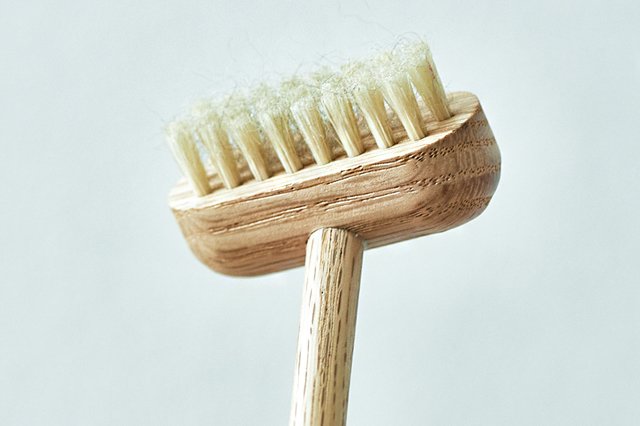
Cat Mind Lab’s First Funding Rewards: Tsudami
Jang: It’s been about 15 years since I started keeping dogs as pets, but the number of households with cats really started to increase in 2015. It’s actually only been three years. Moreover, unlike in Japan, public perception of cats in Korea hasn’t been very positive. As a result, the culture surrounding companion animals—especially cats—has lagged far behind. Since it’s a market that’s only recently taken shape, it’s just now starting to take off.
Kim: To be blunt, there aren’t any companies that properly manufacture cat products. If you look at the cat product market, it’s basically limited to food, litter, cat towers, and scratching posts—that’s about it. People think that as long as you take care of their basic needs—eating and using the litter box—there’s no major issue, so they don’t see the need to put any more effort into it. As a result, there’s no innovation in the products.
Many cat products are just slight modifications of dog products. It’s ridiculous. Even something as basic as a food bowl. Cats shouldn’t use low food bowls like dogs do. When they lower their heads, the nerves at the back of their neck get irritated, causing discomfort or even vomiting. Cats need products designed exclusively for them.
Even if you’re doing what you love, having a side job can’t be easy.
Kim: Of course, if we focused solely on our main job, we’d probably live a more comfortable life. But the cats are just too adorable to let that stop us. Since we already know what kinds of problems these little ones are facing, we wanted to help improve those situations.
Jang: Sometimes CEO Kim Kyung-ok refers to herself as a “merchant” to downplay her role (laughs). But she’s not just selling to make a profit; I believe that creating “good products” for others and producing quality content are things you can’t do without a sense of professional mission.
It seems to stem not just from a love for cats, but from a sense of responsibility. Our first product, “Tssam-i,” was also created out of that sense of responsibility.
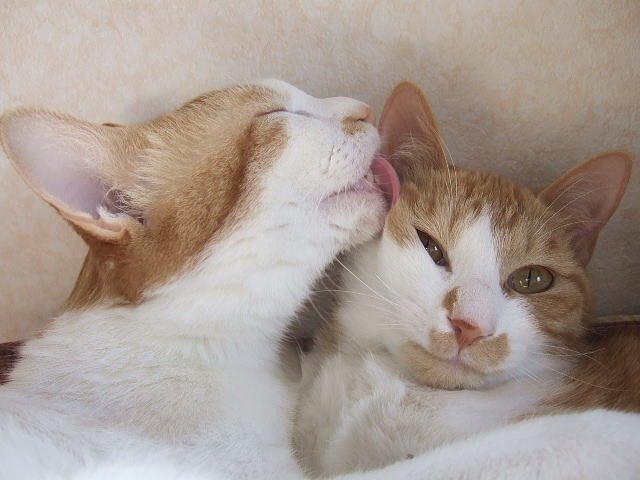
Allo Grooming
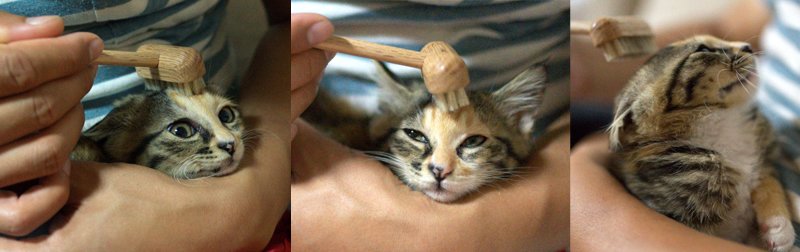
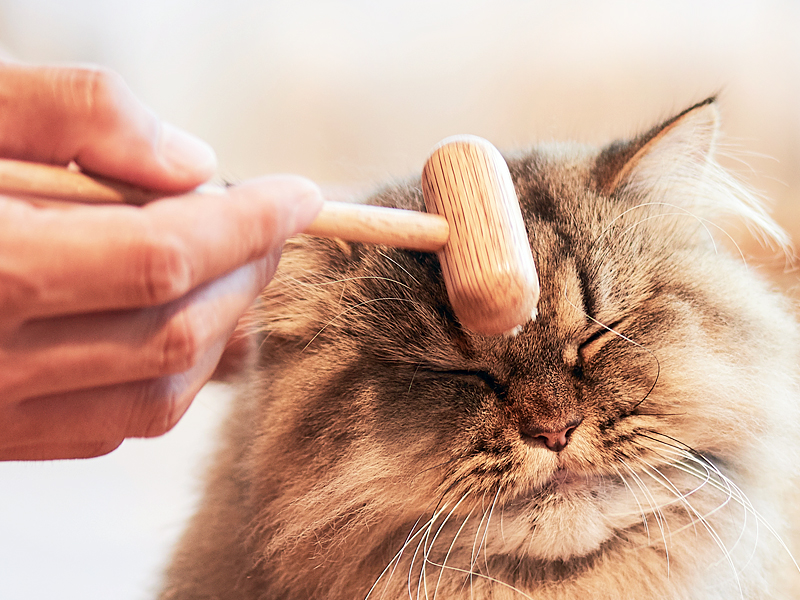
Kim: At first, a veterinarian suggested the concept of a toothbrush. There’s a behavior called allogrooming, where cats lick each other’s fur as a way to express trust and affection. The idea was that every time an owner brushes their cat with a toothbrush, the cat would feel a sense of emotional comfort. Since toothbrushes aren’t designed for cats, the vet suggested it would be great to create a brushing tool specifically for them.
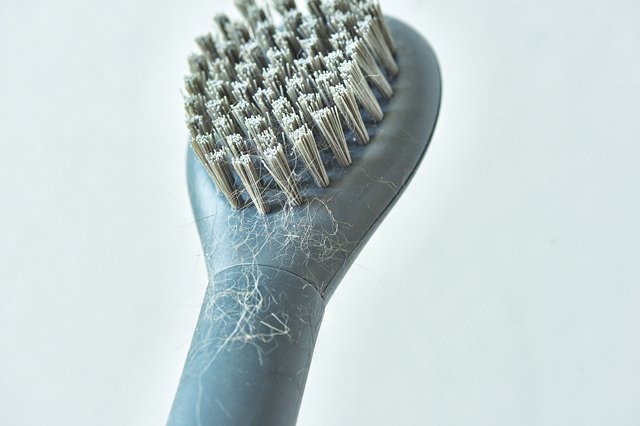
So I gathered various brushes and tried stroking my own cats with them. As I groomed them that way, I began to notice a few issues. Since the plastic body was paired with bristles made of synthetic fibers, it generated a lot of static electricity. The angle at which I could brush them was also awkward. So, I used a wood material with a high oil content to reduce static electricity. For the bristles, I used boar bristles, which have a rough texture resembling the papillae on a cat’s tongue.
When you groom them, cats often think their owner is playing with them, so they’ll try to pick up the brush in their mouths and play with it. That’s why I finished it with a non-toxic natural oil. I consulted with veterinarians throughout the product development process—from the brush length to its shape. The end of the handle originally had a sharp angle, but the vets advised that this part absolutely had to be rounded, so I invested additional production costs to incorporate that change.
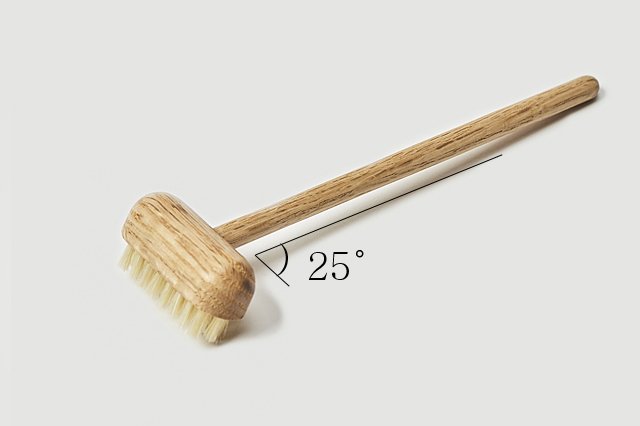 Jang: There isn’t a single aspect that wasn’t carefully considered. It may seem like a simple shape—just a body with fur—but there’s a reason behind everything: the shape, length, size, angle, and finish.
It feels like you created it as if you were channeling a cat. You must have put a lot of time and energy into it.
Jang: CEO Kim Kyung-ok devoted herself entirely to Tsudami for three months. Since this was our first time making a brush product, we needed to understand it thoroughly, so we spent a long time researching it.
Kim: While developing Tsudami, we often discussed among ourselves, “It’s going to be incredibly difficult to make a product better than this.” We put that much thought into it.
I guess pet owners could really feel that this was a product the four of you created after much deliberation. We’ve already had over 1,000 people sign up for notifications about the funding launch that is going to happen soon.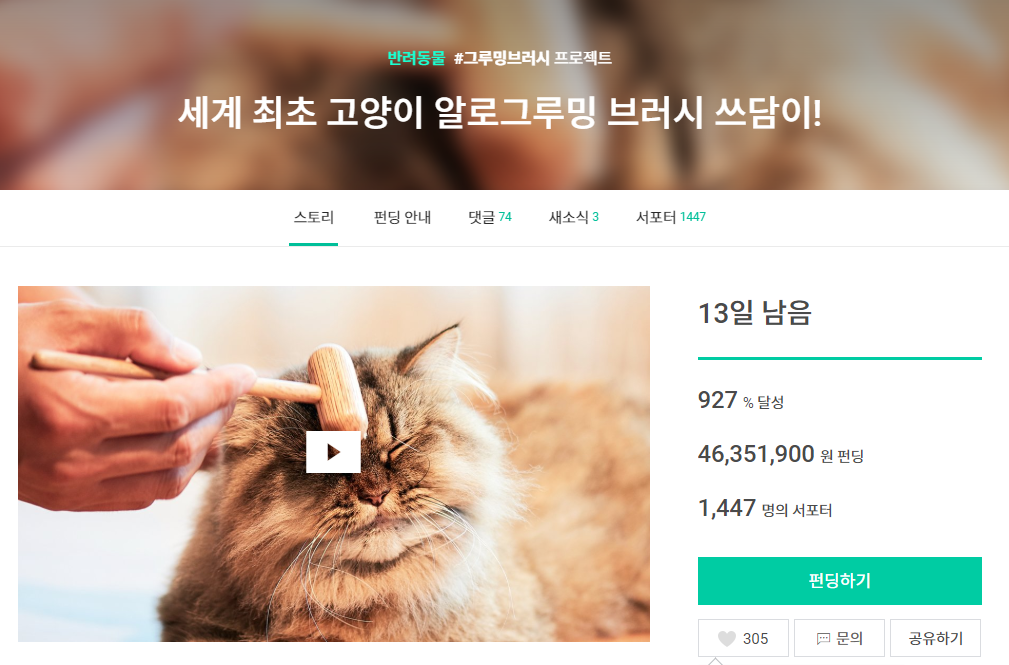
Jang: I think we successfully conveyed why we decided to create Tsudami. That was also why we chose funding. If we sold it through an online store, we’d have no choice but to focus solely on the product itself, but what we really wanted to convey was the establishment of a proper cat-owning culture—and that Tsadam is one of the tools to help achieve that. I think that message came across clearly. Also, seeing the consistent success of pet-related funding campaigns on wadiz, we thought there would be many people here who would listen to our story.
You’re on the verge of reaching 1,000% of your funding goal—did you expect this level of success?
Kim: Since we’ve sold products before, we’ve experienced firsthand just how high the market barriers are, so we didn’t think we’d succeed. We told ourselves not to get discouraged even if it didn’t work out, but the veterinarians were confident. I think they understood that need well because they’ve seen so many cat owners struggling with their relationships with their cats.
The reason we weren’t confident was that there were no precedents. It was literally world’s first product—we’d never seen or heard of anything like it—so we thought it would be no different from bringing in food from another country and saying, “Try this!” Contrary to our expectations, the results were so good that we were both happy and surprised.
You’ve sold products before, but this was your first time doing funding—was it difficult?
Jang: It wasn’t difficult. However, since it was my first time writing copy for a funding campaign, I did worry about where to start and where to end the story. Another challenge was that the content looks different on a PC screen versus a mobile screen. So I’d write the story on my PC and keep checking it on my phone—wondering if it was too long or if the flow was smooth.
Kim: Fortunately, the scope of my work wasn’t much different from what I’d been doing before launching the funding campaign. However, unlike running an online store, it was a bit nerve-wracking to have the products I created laid bare for so many people to see and evaluate. With my online store, if there’s no response, I can just close it down—but that’s not the case here. Thankfully, contrary to my worries, the results were very satisfying.
I think our supporters recognized the value because we had a good Story. It seemed like they were waiting for authentic makers like the Cat Heart Research Institute.
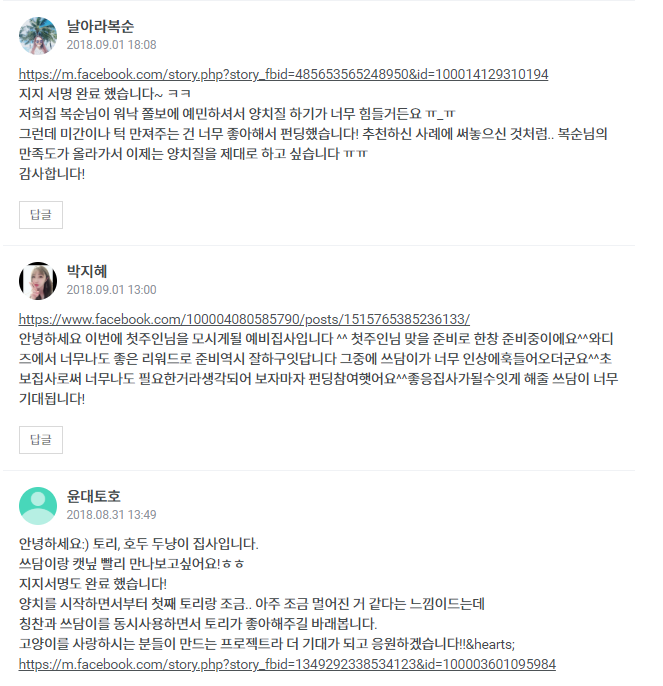
Jang: Even before running the Tsudami campaign, I’d recommended funding to many people. There aren’t many places where you can showcase the items you’ve created to a wide audience. What I realized while running this funding campaign was that I hadn’t expected supporters to read the funding story in such detail. I started the funding campaign with doubts: “Will people really care about why I made this product? Will my intentions come across? Isn’t the price ultimately what matters most?”
But after launching the project and reading the comments, my perspective completely changed. I found that many people were carefully reading every word I wrote, asking questions, or offering words of cheer.If you just slap up a product description like you wouldon an online store, thinking, “I heard this platform is a surefire hit!”—you’re bound to fail.
Kim: From a product creator’s perspective, the interest that supporters show in this platform feels incredibly valuable. There aren’t many channels like this. When running a business, there are times when you need investment, but securing that investment is much harder than you’d think. No one will back you based purely on potential alone. Social commerce isn’t a place where everyone gets a fair chance either. But on wadiz, you can receive cheers from the public based on potential alone . I think it’s a place where passionate young people who’ve bounced back from failure can get their chance.I hope many talented andsincere people will take the plunge and give it a try.
Is there anything else you’d like to say?
When raising any animal, including cats, I hope you’ll apply a basic level of common sense and put in the effort. If you pay close attention and take an active interest in whether the food, litter box, and living space are suitable for your pets, I believe both you and your pets can live happily together.
-
Check out the services available to makers!
· Learn how to start a wadiz project
· Sign up for [wadiz funding courses] taught by funding experts