[Wadify #10] FLIP, the in-house venture team at Shinsegae International, successfully raised 250 million won through the power of collective intelligence.
What is Wadipay?
"Miracles don’t just happen."
We are carefully compiling the success stories of makers who have successfully secured funding and spreading them far and wide, like Wi-Fi, to present new miracles to the next generation of makers.
The paradigm of the distribution market, which used to revolve around supplier-centric companies, is shifting. The image of the passive consumer of the past is gradually disappearing, and an era centered on consumers—who actively seek out and create the products they want—has arrived.
Startups, capable of flexible and swift decision-making, have already sensed this shift and are creating products and services tailored to it. So, what about the large corporations that were once the dominant suppliers?
Here is a best practice example of how to quickly adapt to the rapidly changing retail market. It’s a brand that says, “Anyone can be a designer.” Let us introduce FLIP, an in-house venture team at Shinsegae International that successfully raised 250 million won—achieving 5,000% of its fundraising goal—with clothing designed by consumers themselves.
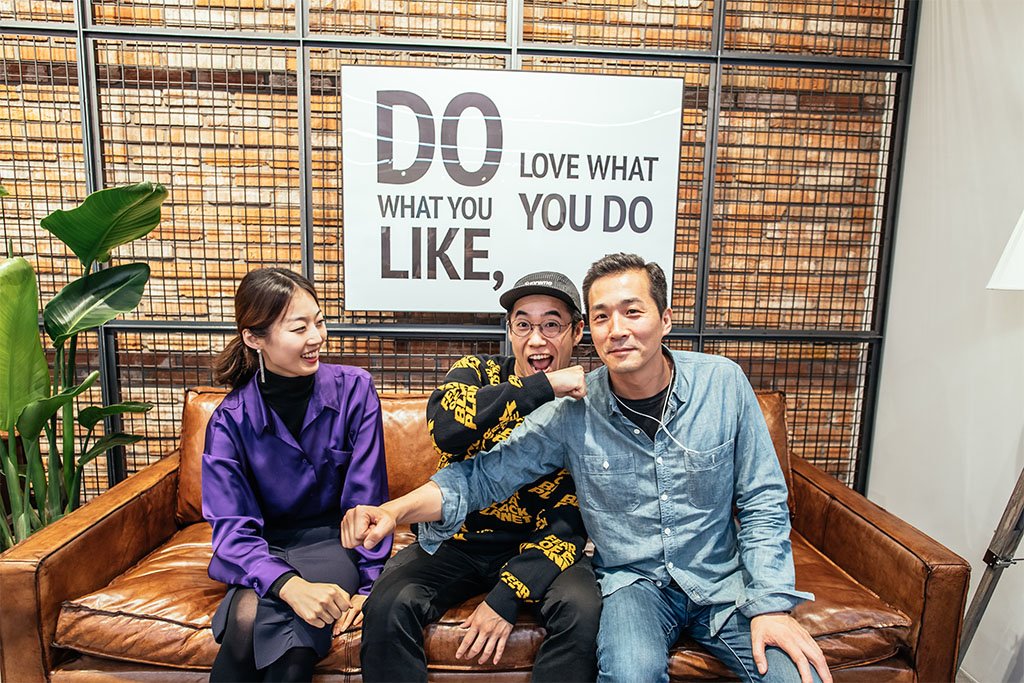
From left: Designer Jang Yu-na, MD Lee Jong-chang, Director Jo Hong-jun
wadiz: Hello. First, could you please introduce yourselves as makers?
FLIP: Hello. I’m Jo Hong-jun from FLIP. I was in charge of casual wear marketing on Shinsegae International’s marketing team before launching FLIP as an in-house venture.
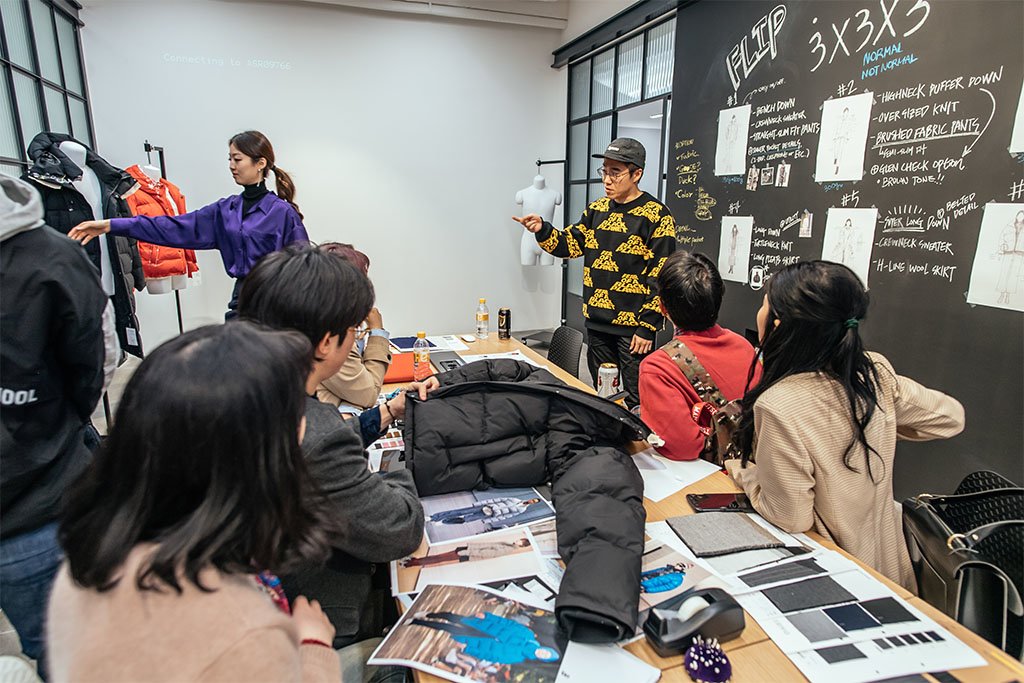
wadiz: Even though it’s an in-house venture, it’s essentially the same as starting a new business. You had to leave behind the work you’d been doing for so long and start completely from scratch—what made you decide to launch FLIP despite that?
Flip: I was deeply impressed by a book called *Makers* that I read a while back. Reading it made me think , “The distribution market might soon shift to become consumer-centric.” Until now, products have been developed and manufactured from the company’s perspective, right? Even before we launched Flip, there were times when we designed and produced clothing ourselves, but the process wasn’t truly consumer-centric.
Then, as I looked into and studied innovative examples like Quirky.com, I began to think that someday I’d like to create a platform based on this model. Around that time, I came across an internal venture competition, was selected, and was able to launch Flip.
*Quarky.com: A platform that develops innovative products through crowdsourcing
wadiz: So you anticipated the changes in the retail market. Did you start Flip on your own?
Flip: At first, I started with just one other person—a merchandiser I already knew. I handled the Story and marketing, and he took on the merchandising role. But as we went through the competition process, I realized we needed someone with deep knowledge of clothing. So, a designer who could provide practical support for the actual garment production joined us, and now the three of us are working together.
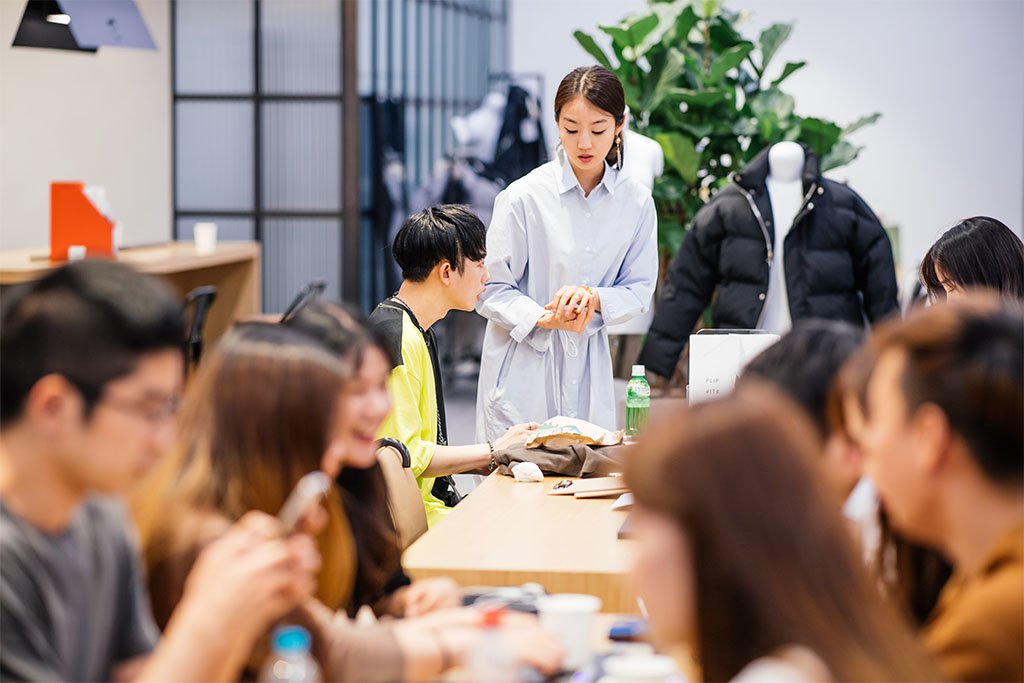 wadiz: Starting as an in-house venture is a bit different from a typical startup, isn’t it? You weren’t just building on an idea; you went through a selection process where you had to present a concrete plan and execution strategy to be chosen. How did you make your case?
Flip: Flip’s motto was “Open Innovation Brand.” We emphasized that anyone can be a designerand expressed our ambition to become the brand with the most designers in the world.
wadiz: So you highlighted the fact that you’re a brand that actively incorporates consumer comments. At the same time, I heard you aim for “well-made” products, pouring the effort that would go into making ten pieces of clothing into just one. As an in-house venture team at a large corporation that needs to achieve high efficiency at low cost, wasn’t that a difficult decision to make?
Flip: That would likely be a burden in a supplier-centric market dominated by major corporations. However, the market is gradually shifting toward a consumer- and demand-centric model.
To keep pace with that trend, we as suppliers have no choice but to adapt. Our company agreed with this point as well. Even during the proposal phase, Flip emphasized its commitment to actively incorporating consumer comments as an open-innovation brand. We all agreed that, in response to the changing market, the right approach is to leverage collective intelligence to create well-made products.
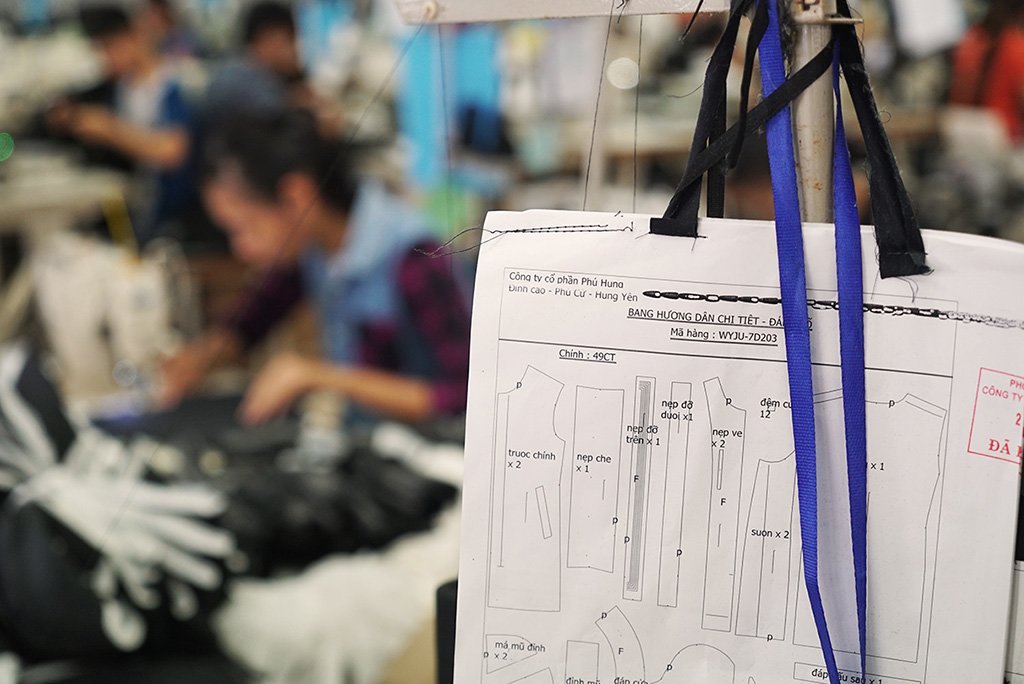
wadiz: When creating products through collective intelligence, the decision-making process inevitably takes longer. Furthermore, since you produce based on pre-orders, mass production isn’t possible. Won’t this lead to a drop in productivity?
Flip: The mass production market is about to change. If smart factories based on the Fourth Industrial Revolution become widespread, we’ll be able to increase productivity while quickly reflecting consumer needs. We’ve entered an era where mass production is no longer an issue. Ultimately, what matters is whether we can produce products that consumers actually like.
Since products will only sell if they meet consumer expectations, it’s essential to ask consumers directly what they want.
wadiz: I think it’s more efficient to support internal ventures and communicate quickly with consumers than to spend a long time creating a new brand within the company. From the company’s perspective, Flip’s idea must have been very welcome.
Flip: That’s right. Two teams were selected through this internal venture competition, and both were chosen for having products that demonstrated a keen insight into current trends. If they achieve good results, they’ll also have the opportunity to launch as official brands. It’s a way to respond quickly to market changes while delivering results. I think it’s a way for the company and us to thrive together.
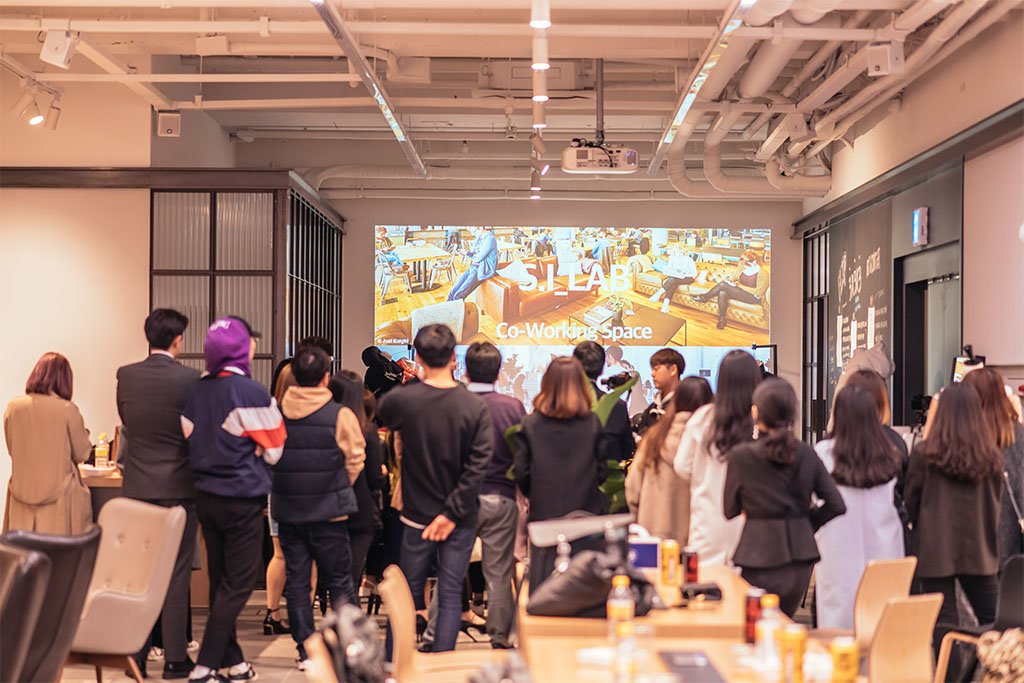
wadiz: It sounds like a win-win situation for the company, Flip, and consumers. How did you communicate with consumers?
Flip: We call the people who give us ideas and help us create products “Flippers.” To attract people interested in design, we recruited Flippers through an event called Campus Style Icon (CamScon). We also held events with fashion and advertising/PR clubs, and we conducted about three business briefings to clearly convey Flip’s vision.
wadiz: Promoting the product is just as important as the design itself. How did you handle your marketing?
FLIP: There’s a coworking space called SI Lab, operated by Shinsegae International. We selected FLIPPERS from among the people who visited there and worked together on everything from planning to photo shoots, content creation, and marketing. We didn’t use an advertising agency—the FLIPPERS did it all themselves.
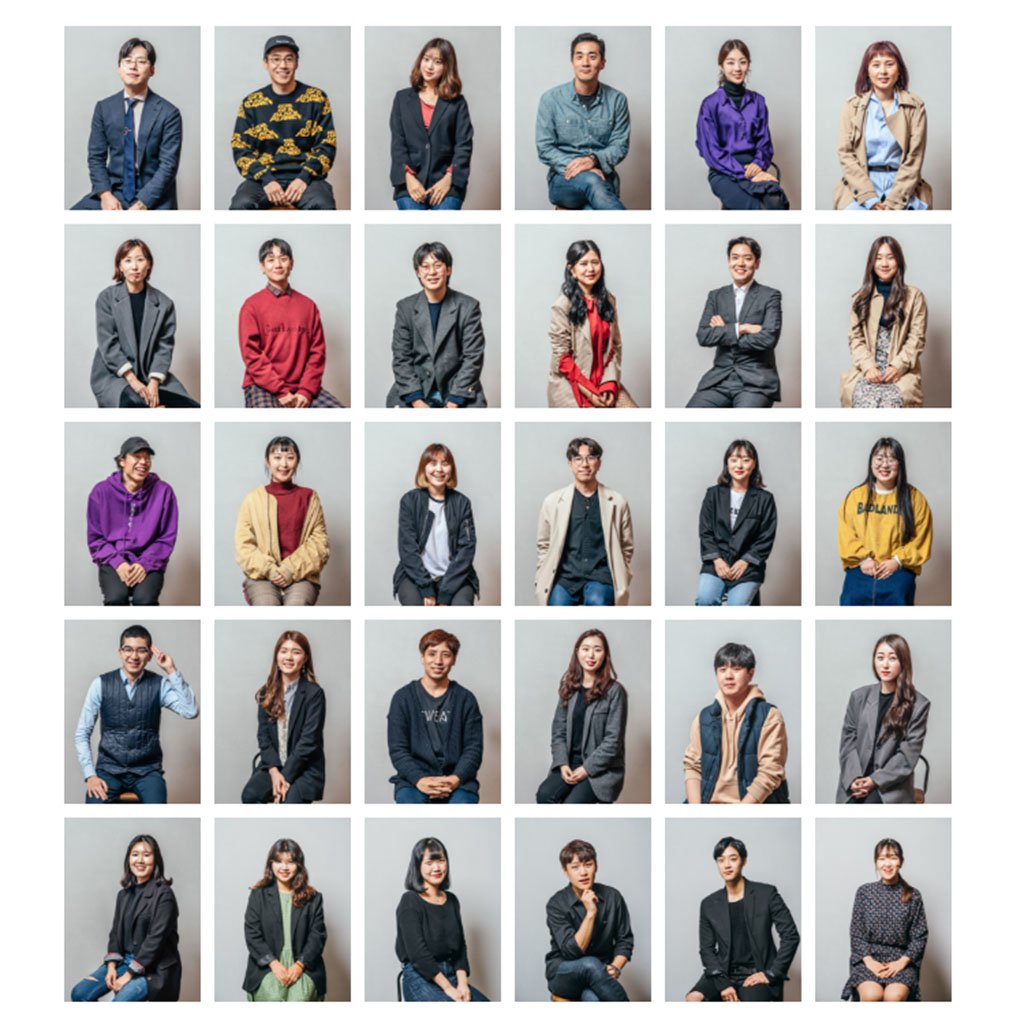 FLIPPERs who collaborated on everything from design to promotion
wadiz: So you created everything from start to finish together with consumers.
FLIP: FLIP is a startup that’s just getting started and a crowdsourced brand built through public participation. Naturally, we have no choice but to create everything—down to the smallest details—together with our consumers, or “Flippers.”
Wadiz: There are far more people steering the ship at FLIP than I expected. Aren’t you worried you might end up going off course?
Flip: The process of gathering consumer comments was actually much harder than we expected. It took a lot of time to bring Flippers together, coordinate their comments, and select the final design. We want to incorporate every comment, but if we try to include every feature consumers want, the result might end up being a jack-of-all-trades, master of none. Finding that balance turned out to be the most important part.
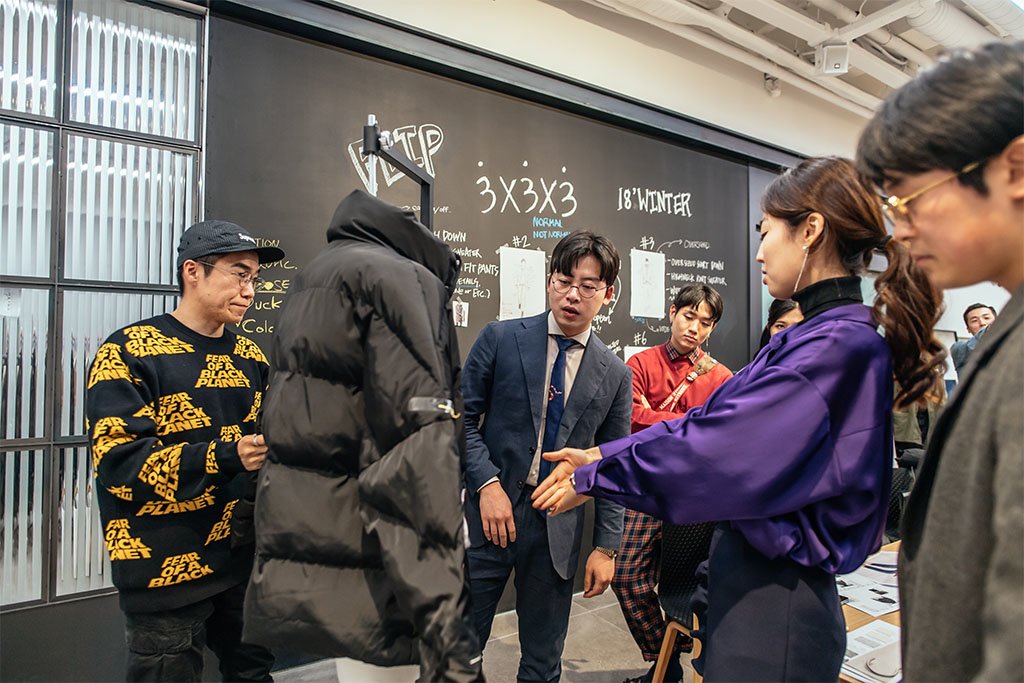
So, we started by creating a mockup sample with a universal form. The Flippers then added their own comments to this sample. After going through this process several times, we narrowed it down to a few candidates and selected the most minimalist design among them.
It took a lot of time and energy, but I believe that by leveraging collective intelligence, we ended up with a design that’s all the better for it. By completely breaking away from our usual approach, we were able to create a final product that’s both fresh and sophisticated.
wadiz: A product created from the public’s perspective is evaluated by the public. While this might seem obvious at first glance, being evaluated directly by the public is undoubtedly a daunting prospect.
Flip: We had already planned to run a wadiz funding campaign from the very start of the contest. Since the product was created by consumers, I thought it was only right to have it evaluated directly by them. When we announced the contest, I mentioned our plan for wadiz funding, and it turned out the company was already familiar with wadiz. It made me realize that it’s a platform with a much larger following than I had anticipated.
In fact, in the fashion industry, the emotional aspect plays a major role when consumers purchase products. It matters who designed the clothes and which brand they’re from. Even right up until we launched the funding campaign, there were comments asking, “Who would buy clothes made by a complete unknown?”
But ultimately, through funding, we were able to validate our hypothesis: “Consumers will recognize products made by other consumers.”
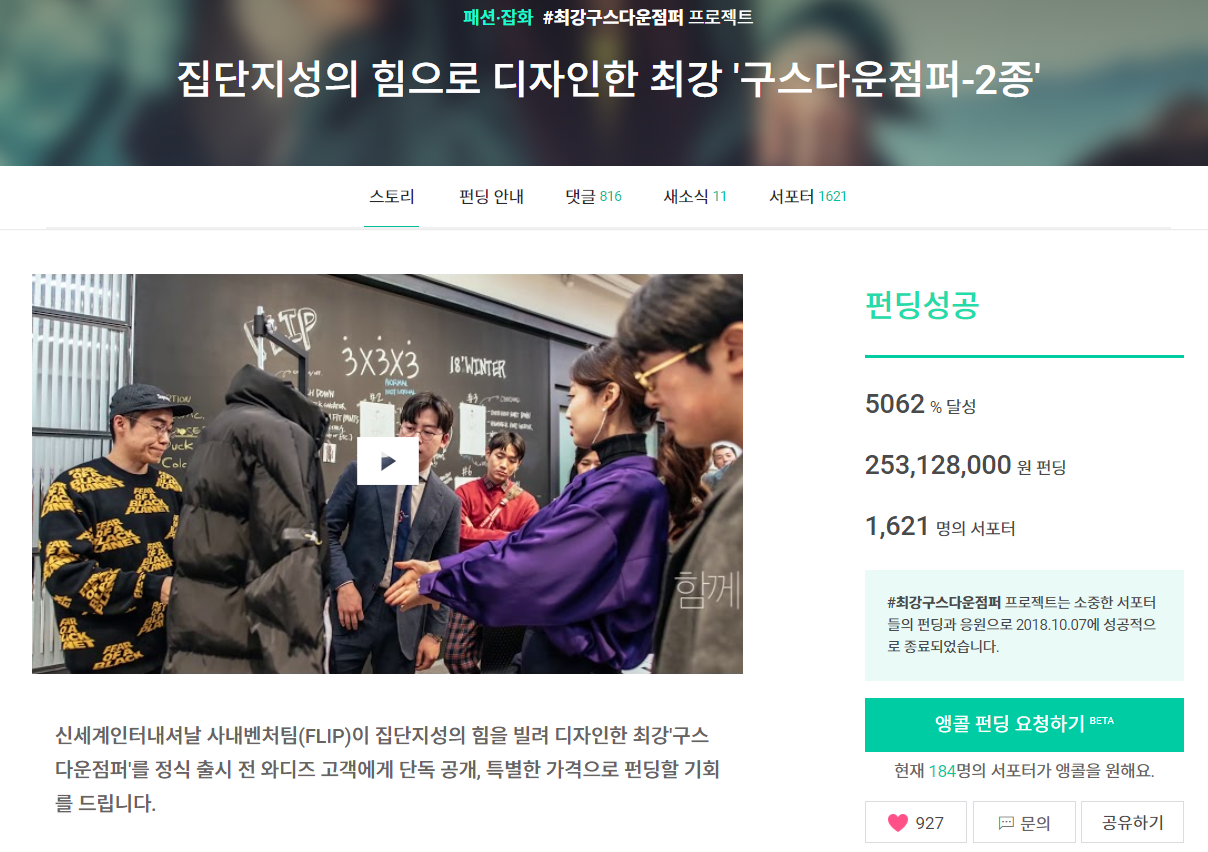
Encore requests from supporters continue even after the funding ended
wadiz: By exceeding your funding goal by 5,000%, it seems that hypothesis has definitely been validated.
Flip: I wascompletelysurprised. It was a result we never expected. Originally, we didn’t think it would do this well, so we set aside inventory to test the market elsewhere. But since the funding campaign went better than expected, we revised our plans. Personally, I think this is the most ideal approach.
Taking pre-orders and producing exactly the quantity needed to balance supply and demand benefits companies, consumers, and the environment alike. In Europe and the U.S., concepts like cooperatives and pre-orders are already well established. For this approach to become more widespread, mutual trust is essential.
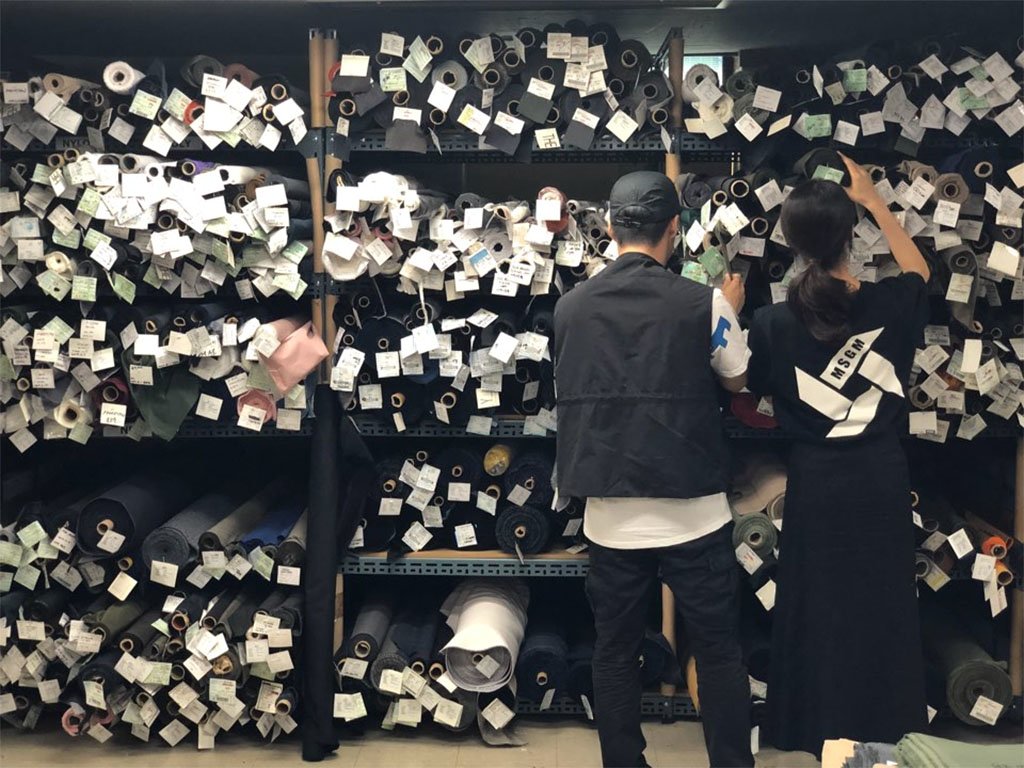 Flip, which disclosed everything from production schedules and processes to fabrics, factories, and logistics centers
wadiz: That’s right. Companies need the trust that they’ll make good products, and consumers need the trust that they’ll wait patiently. How can we build that trust?
Flip: We have to be honest. That means disclosing everything transparently. We’re currently in the process of building that trust ourselves. It certainly won’t be easy, but we believe it’s an essential step we must take to create a distribution market that benefits everyone.
Wadiz: These days, more and more companies are launching new products through wadiz funding. Are they using crowdfunding as a way to build trust with consumers?
Flip: That’s right. I think more companies will launch products through funding. Trends in the online market have been constantly evolving. As open marketplaces gave way to curated shops that recommend products tailored to individual tastes, I believe the next step is funding platforms like wadiz. Since the market is shifting toward a consumer-centric model, this is, in a way, a natural progression.
Nowadays, simply comparing prices or offering the lowest price isn’t enough to win over consumers. As honest and transparent brands begin to shine, consumers are also starting to realize that the cost of the lowest price ultimately comes back to them. Exchanging fairly produced products for a fair price is the best kind of consumption for everyone.
On wadiz, you can discover the stories behind companies and brands that are truly authentic. Going forward, consumption that opens hearts through authentic stories will become more important than consumption that opens wallets for the lowest price.
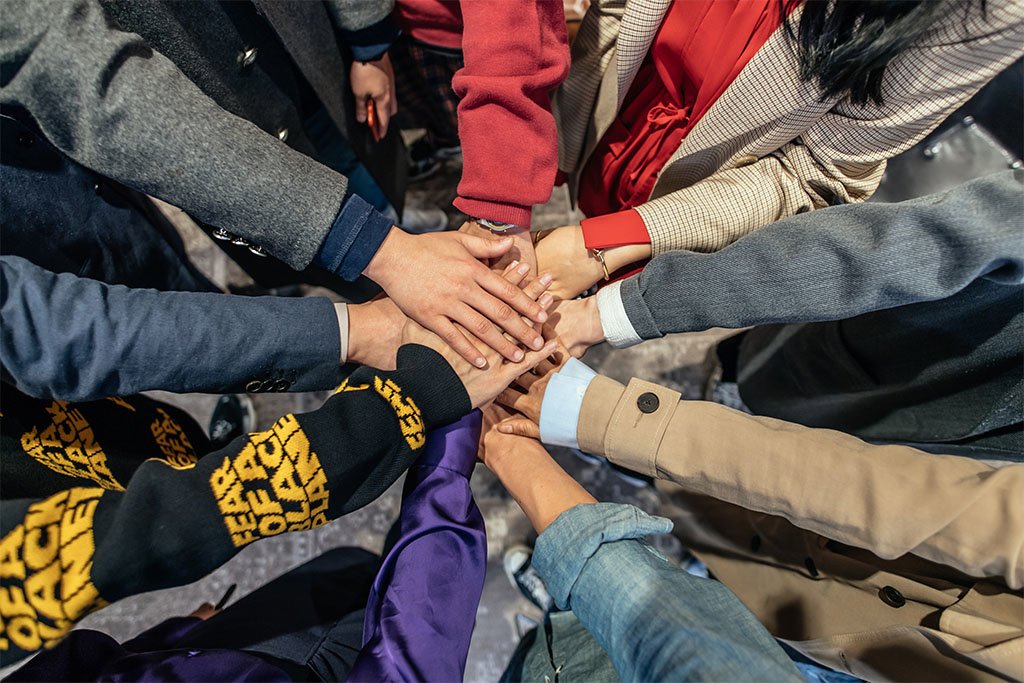
wadiz: Consumption that opens hearts, not just wallets. That’s wonderful. It feels like your heart is filled even as money goes out. This kind of consumption will be possible in the market Flip is building, right?
Flip: I certainly hope so. Flip aims to create a market where products developed through crowdsourcing create a virtuous cycle through crowdfunding. With this funding campaign, we had the rewarding experience of creating a product based on direct consumer comments and seeing consumers recognize its value. Moving forward, we plan to continue developing a process where we design products together with our “Flippers” and launch them through crowdfunding.
Wadiz: It sounds like a win-win situation for the company, consumers, and the environment. Finally, do you have any advice for makers preparing for a funding campaign?
Flipper: Through this funding campaign, we realized that if a product is recognized on wadiz, it has the potential to succeed in any distribution channel. We were also able to actively communicate with our supporters and respond to their comments immediately. Since this platform allows you to reach so many consumers at once, unexpected things can happen in unexpected places. We learned a lot thanks to that experience. I recommend starting with the mindset that you’re here to learn from whatever unpredictable situations may arise.
-
Check out the services available for makers!
· Learn how to [start] a wadiz project
· Sign up for [wadiz funding courses] taught by funding experts