[Writing with the Editor] #1. Basics of Story Writing
This content is part of the <Write with the Editor> series.
Be sure to keep this in mind!
- We’ll show you how to effectively convey your Rewards and Story, no matter the category or product.
- Try including content that resonates with the people who will primarily use these Rewards.
- The most natural way to transition from the introduction to the Rewards themselves is to describe the challenges you faced during the manufacturing process.

You might be eager to start your funding campaign, but the sight of the white background in Maker Studio can be intimidating and overwhelming.
For makers like you, we’ll share tips on how to effectively convey your Rewards and Story—no matter your category or product.
Wadiz Story’s Best-Seller: The Basics
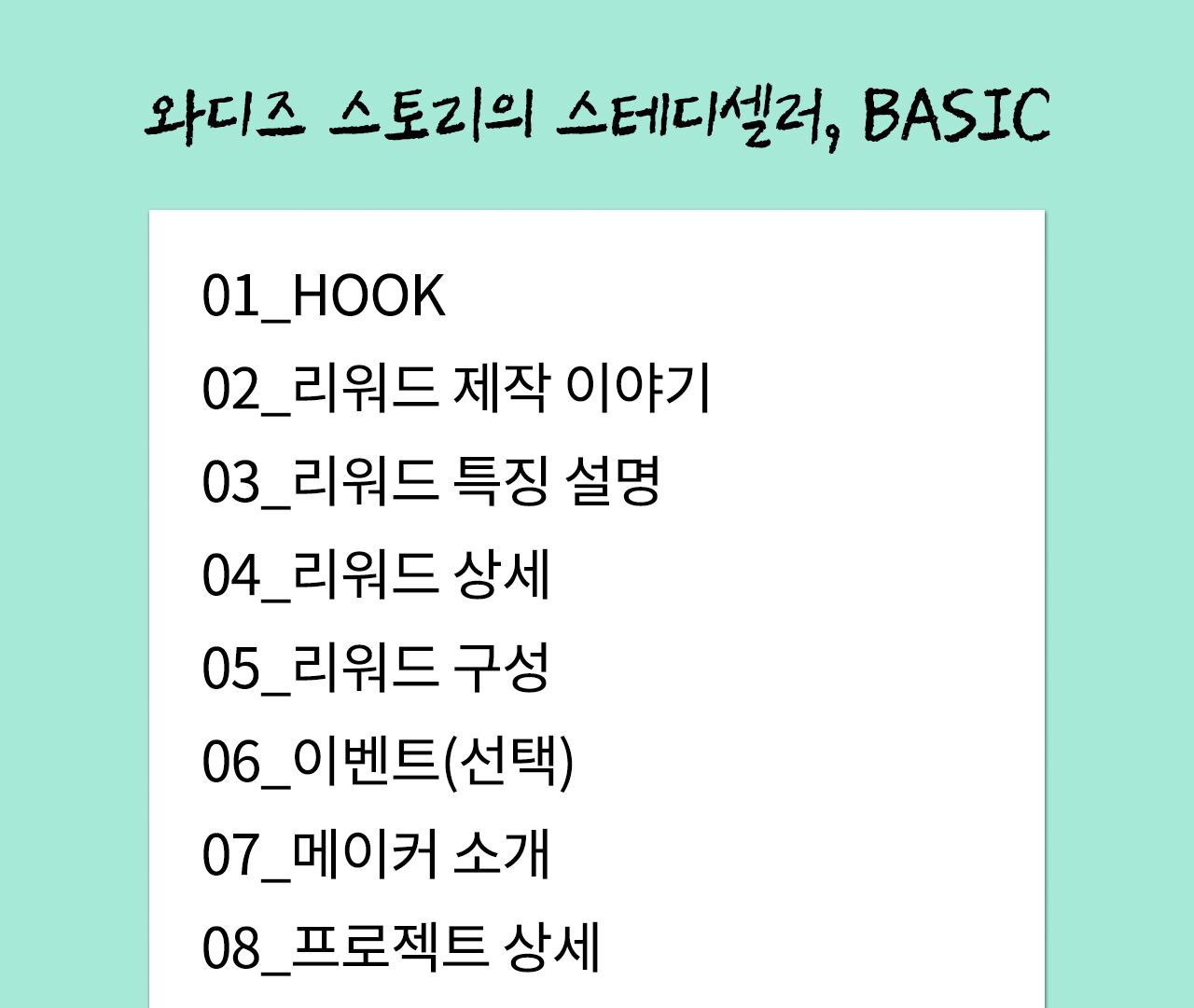
No matter what video you play on YouTube, you’ll always see various ads before it starts. To keep viewers watching, creators often pack the first 10 seconds with the most interesting or eye-catching content. It’s the same reason why the first episode of a drama is often longer or features more dramatic plot twists. Because it keeps people watching!
The same goes for stories. When you click on a project and the intro—which is the first thing new visitors see—it should strike the reader’s heart hook your heart! —that’s what it takes to keep readers engaged and focused on the rest of the Story.
01. Relatable Everyday Moments
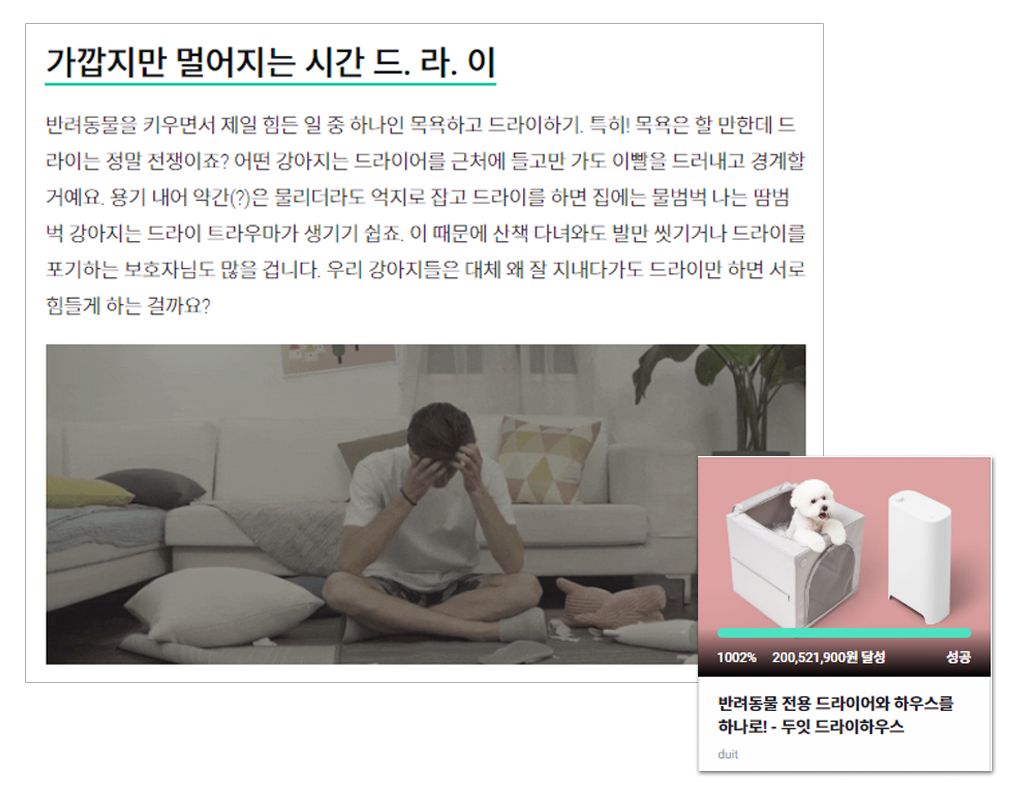
Anyone who lives with a pet will relate to this. Pets that run away as soon as you even mention the word “bath.” When you show these relatable moments through text and GIFs, readers will naturally find themselves nodding in agreement.
No one will fund a product if they can’t relate to why these Rewards are needed or how they can be used. Include content that resonates with the people who will primarily use these Rewards.
Make sure your subheadings grab readers’ attention.
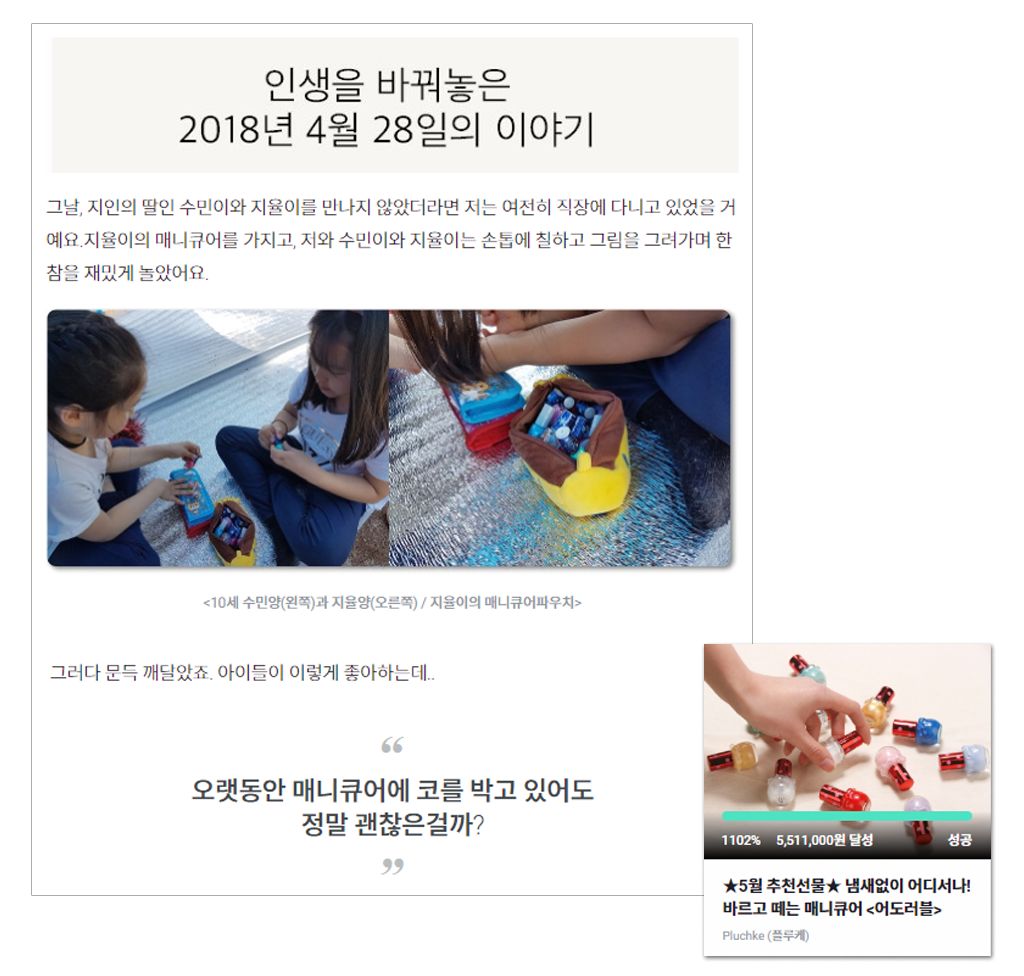
Even before reading the text, just seeing the subheading—“What on earth happened on April 28th? Who are Sumin and Jiyul?”—is enough to make readers curious the moment they see it, isn’t it?
If you’re having trouble finding a relatable angle, try writing eye-catching subheadings like this. Another approach is to use subheadings in the form of questions to make supporters pause and think for a moment.
02. The Story Behind the Rewards
Thanks to the emotional connection in the introduction, supporters who are thinking, “Huh, what’s this? I’m curious,” have started scrolling down (Hooray!). If you throw out an interesting story at the beginning and then suddenly switch gears to say, “Now, let me introduce my Rewards,” in a stiff tone, anyone would lose interest.
Let’s make good use of the content from the introduction to create a smooth transition into the Rewards section.
(Example) This led me to ponder the following.
The most natural way to transition from the introduction to the Rewards introduction is to describe the challenges you faced during the Rewards production process.
- We faced these challenges,
- and after trying various methods to resolve them,
- we ended up creating this Reward.
Just follow this format exactly. Think it’s hard? Let me show you an example.
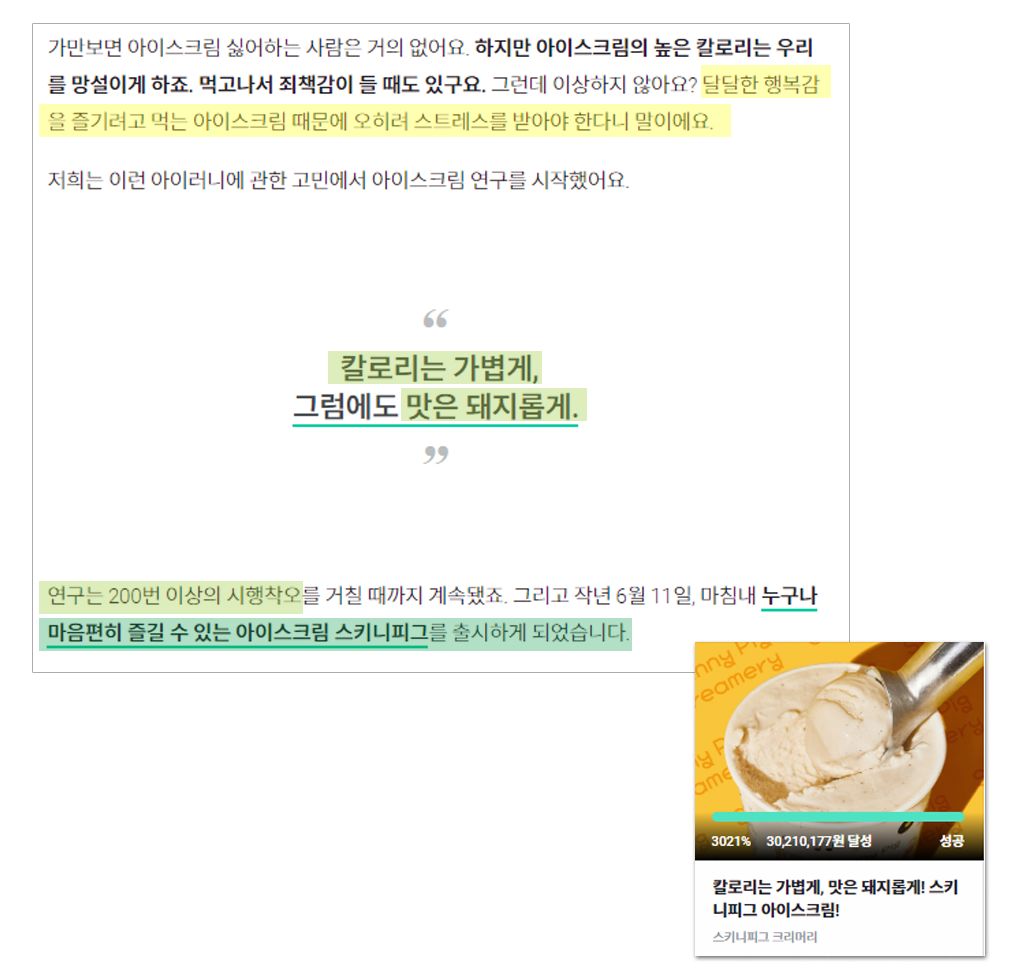
- The challenge we faced: The stress caused by eating ice cream—which is supposed to bring sweet happiness—was a source of concern.
- After trying various methods: Over 200 rounds of trial and error to make it low in calories but rich in flavor
- What was created: Skinny Pig, an ice cream you can enjoy with peace of mind
See? It’s really easy, isn’t it?
03. Explaining the Rewards’ Features
Now, it’s time to start explaining Rewards in earnest. Just as there are various ways to introduce yourself, there are many ways to describe Rewards, but we’ll take the simplest approach: highlighting its key features. To put it in terms of a self-introduction, it’s the style of saying, “First, I’m someone who loves to create things. I’ve always loved art class the most, and (showing a photo of calligraphy) I’m still learning calligraphy as a hobby.”
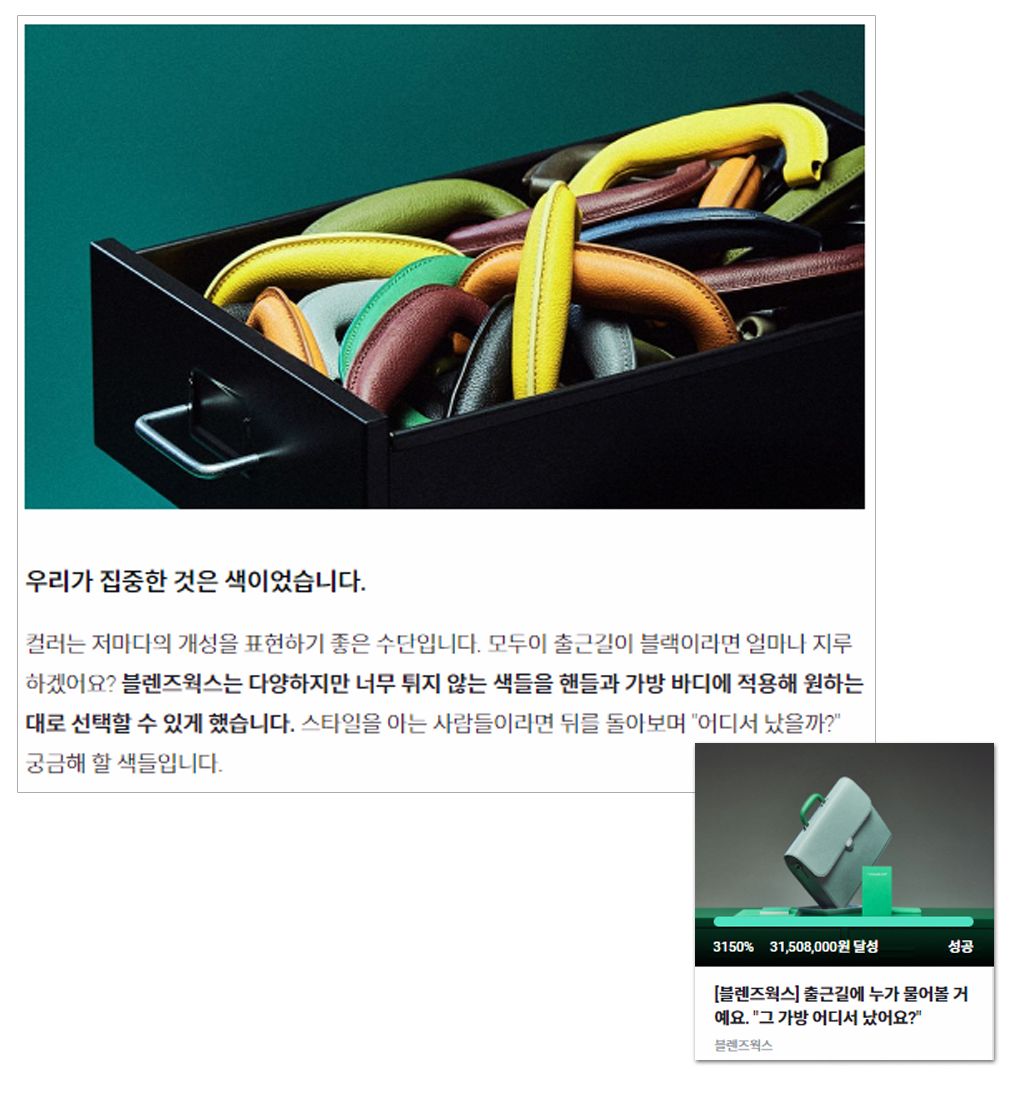
For each feature, please use the structure: subheading + photo + text.
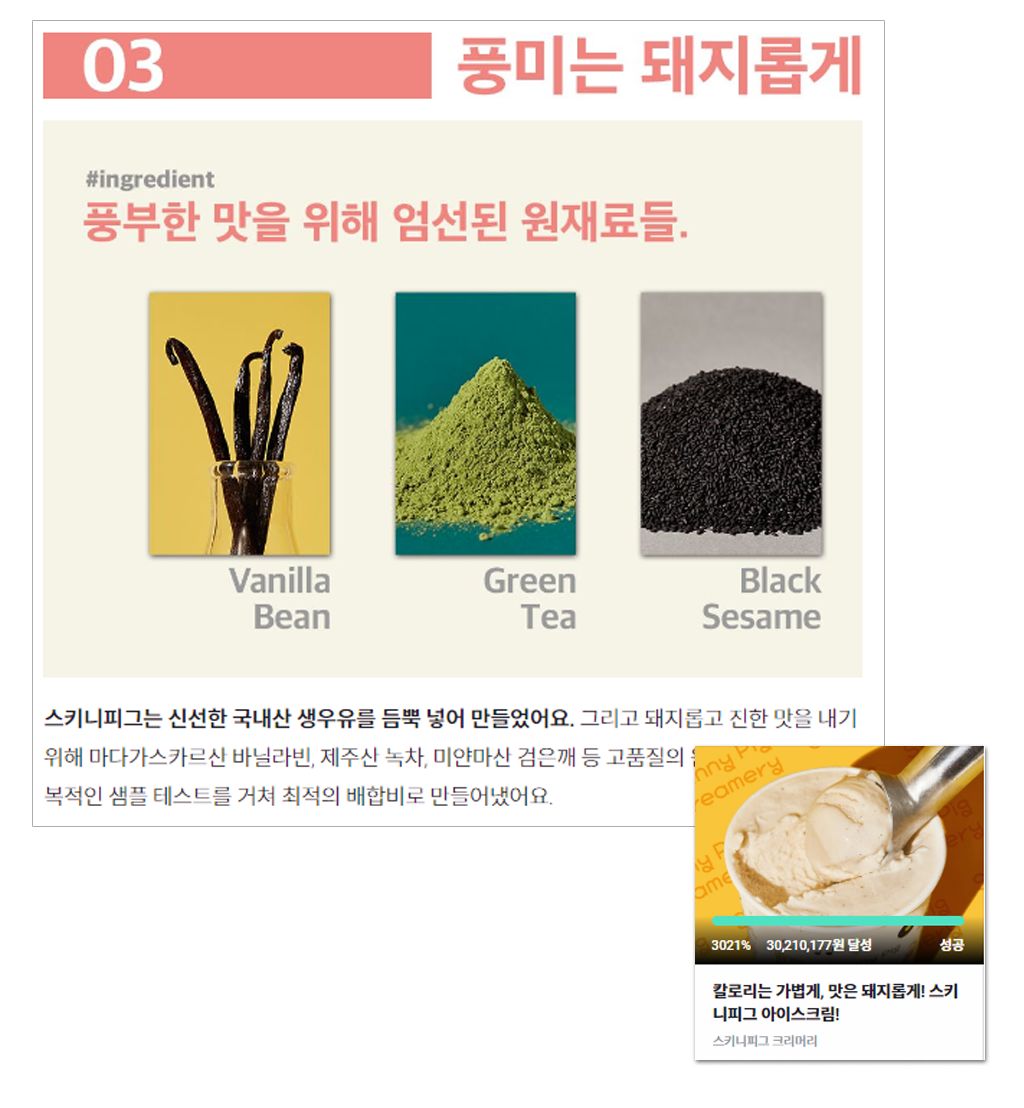
Don’t worry if you’re thinking, “Oh, it seems hard to design something this clean…” wadiz’s editor is optimized for this layout, so as long as you have a photo that’s at least 630px wide, anyone can create a clean, polished look.
04. Rewards Details
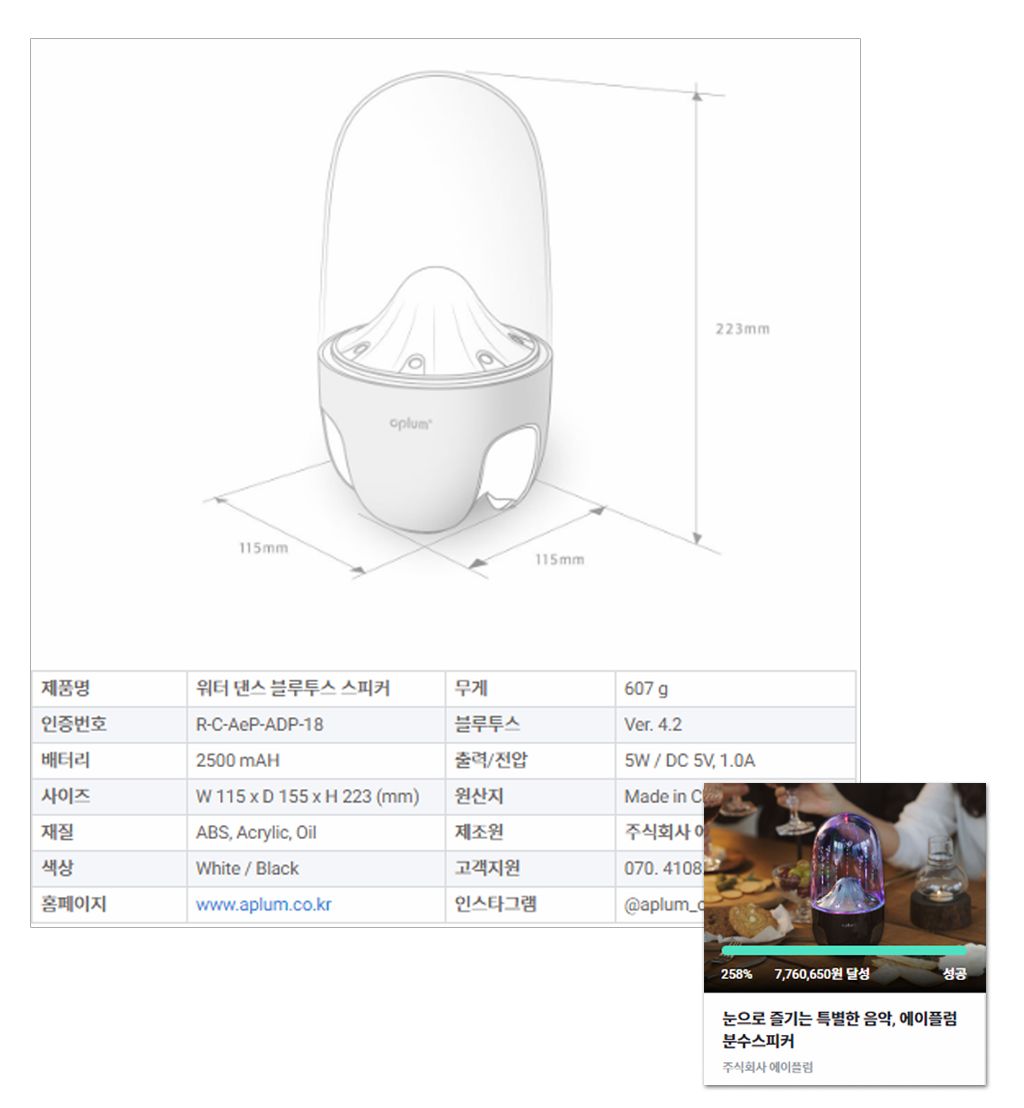
Now that we’ve covered all the features and benefits of the Rewards, let’s move on to the essential information you need to know about them. This part shouldn’t be too difficult . Generally, this covers sections like “Dimensions,” “Size,” and “Specifications.” Instead of worrying about whether you should make the details as engaging as the earlier sections by using various expressions, just keep it concise and stick to the facts. It’s easy if you focus on providing informative content.
TIP: If there are a lot of specs to list, using a table makes it look cleaner.
05. Rewards Details
You’ve now covered most of the information about the Rewards! Great job (clap clap). Supporters who’ve read the Story all the way through are probably completely captivated by the appeal of your Rewards.
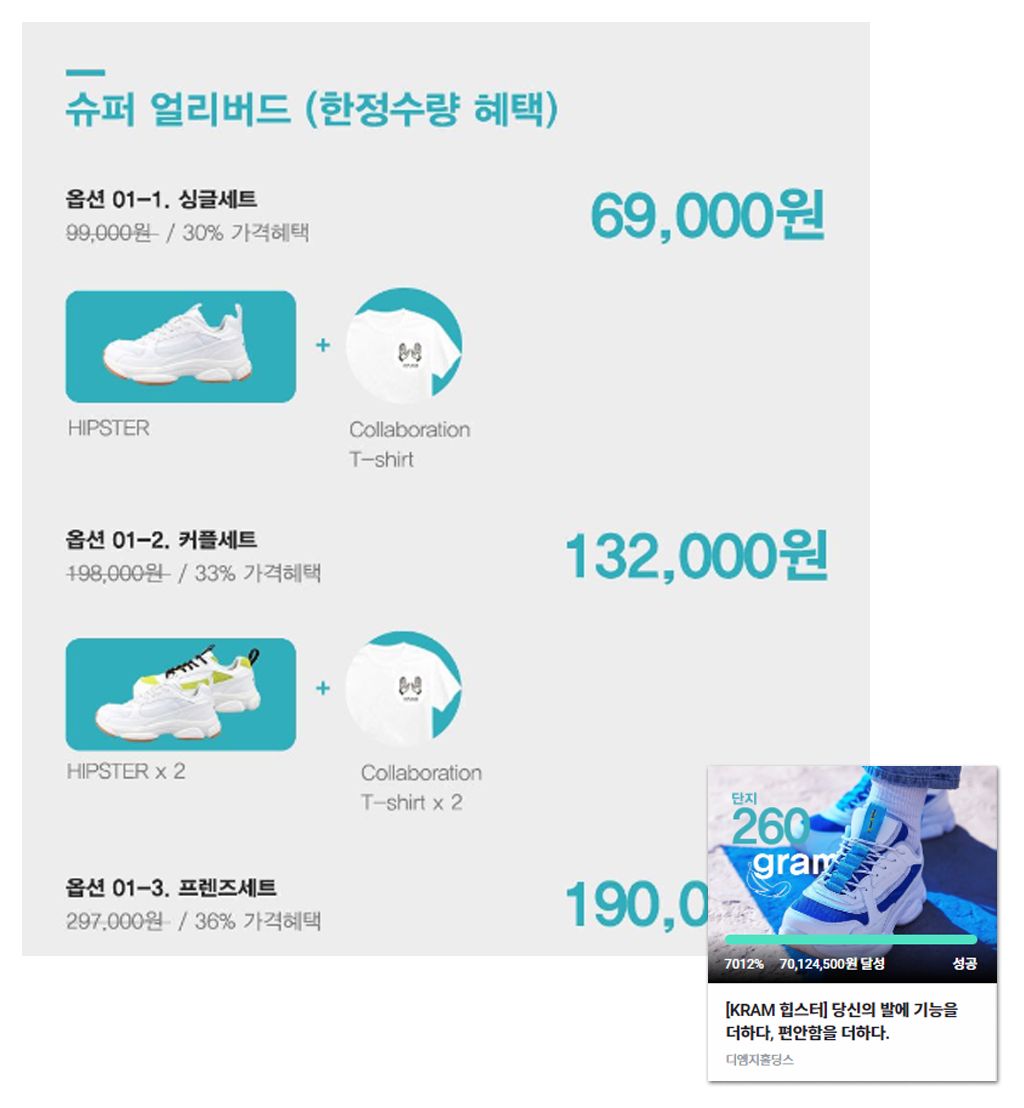
Let’s show them a “menu” that says, “Here’s what the Rewards look like—please choose from these options.”
To inspire them to engage in funding, highlight the benefits and prices.
If you highlight the rewards that offer the most value—such as bundle rewards with extra perks or additional items—supporters are more likely to choose those rewards, even if the price is slightly higher, right?
06. Event (Optional)
Although it’s labeled “optional,” this event is practically a must-have! It’s the only way to turn around a sluggish funding campaign and encourage supporters to spread the word on their own. Rather than rushing to prepare it after the campaign launches, it’s much better to get it ready now while you’re writing your Story.
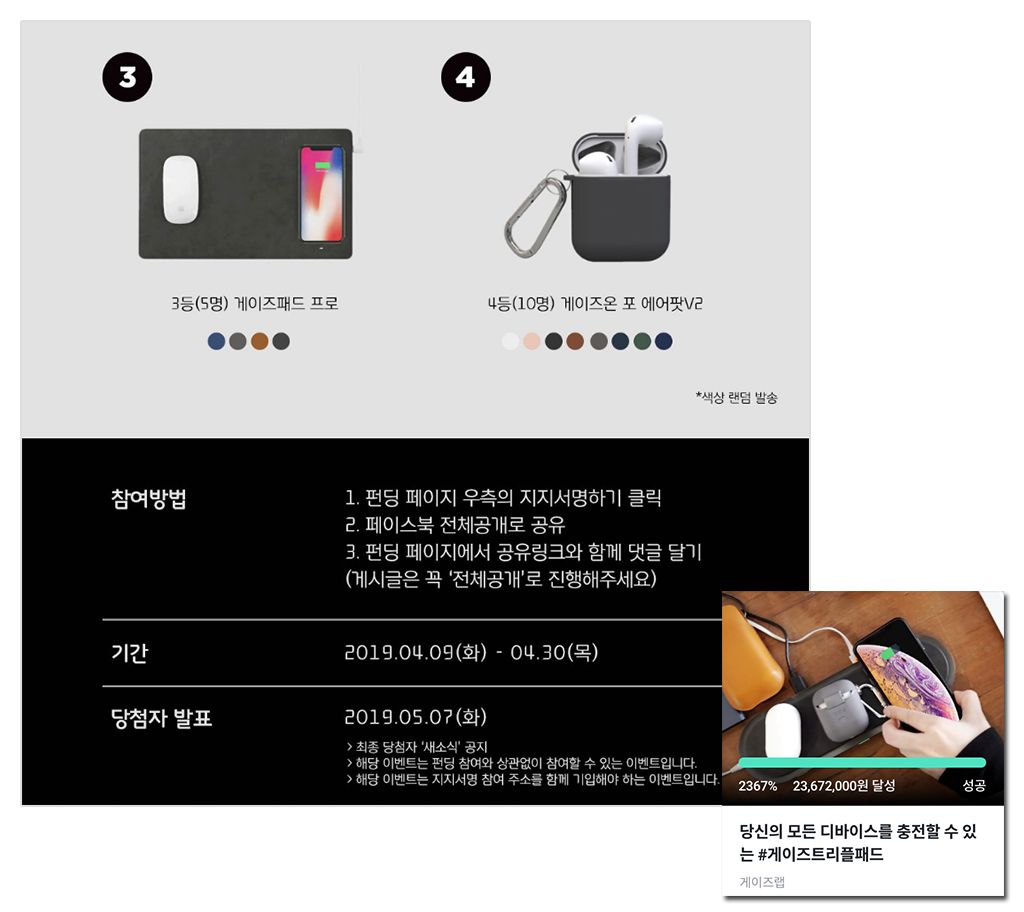
If possible, be sure to include photos of the event prizes.
Showing photos of what kind of gifts participants can receive will help increase interest and participation in the event!
07. About the Maker
This is where you can explain the project so far and introduce “yourself”—the person who created the Rewards. This is also the biggest difference between wadiz and other online shopping malls or e-commerce platforms. After all, wadiz is a place that connects people. If you wrap up this section with a photo of yourself and a sincere introduction, supporters will trust you more and be more likely to participate in the funding.
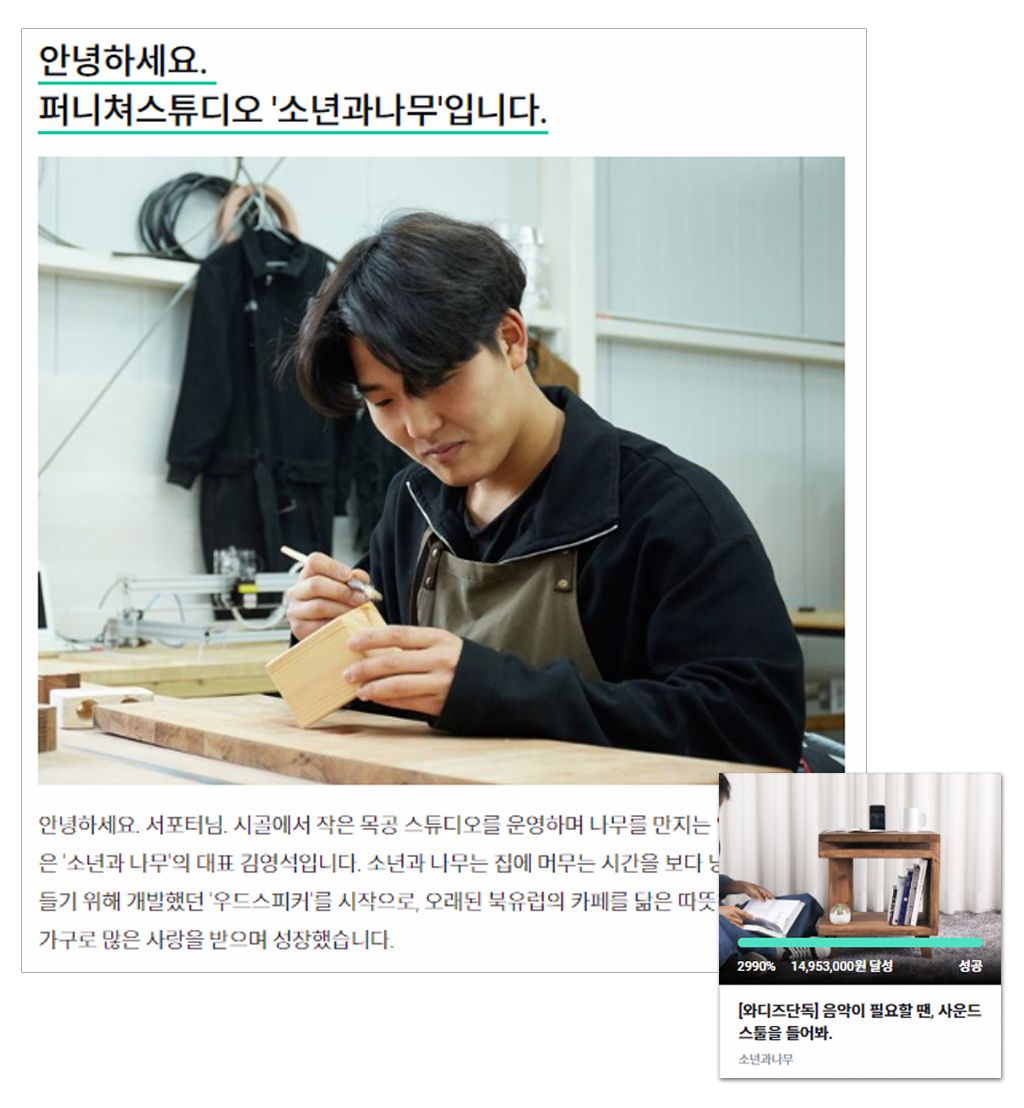
Just because it’s a photo of you doesn’t mean it has to be stiff and awkward like a passport or driver’s license photo. A natural shot of you—whether you’re making the Rewards or in your office, workshop, or studio—will much better convey your personality and the character of your Rewards, right?
The key to a good story isn’t making it complicated—it’s making it authentic!
So far, we’ve looked at the most popular and common types of wadiz stories.
Just as the success of a product ultimately comes down to the basics, the quality of a story inevitably depends on how faithfully it sticks to the fundamentals. Even without innovative photos or videos, if you write a story with sincerity and care, your supporters will recognize your genuine passion. Let’s stick together every step of the way—from writing the story, which is the first step in your funding campaign, all the way through to the launch and success!
<Write with the Editor> Series
- Story Writing: Basics
- Story Writing: The Narrative Edition
- Story Writing: Images
- Story Writing: Reflections
-
※ If you share or use any content (text, images, videos, graphics, data, etc.) posted on the wadiz maker center externally, please be sure to credit the source.