[Wadipay #8] "I wanted to promote our work in a place where diverse people gather."
What is Wadipay?
"Miracles don’t just happen."
We’re carefully compiling the success stories of makers who have successfully completed funding efforts and spreading them far and wide, like Wi-Fi, to gift new makers with new miracles.
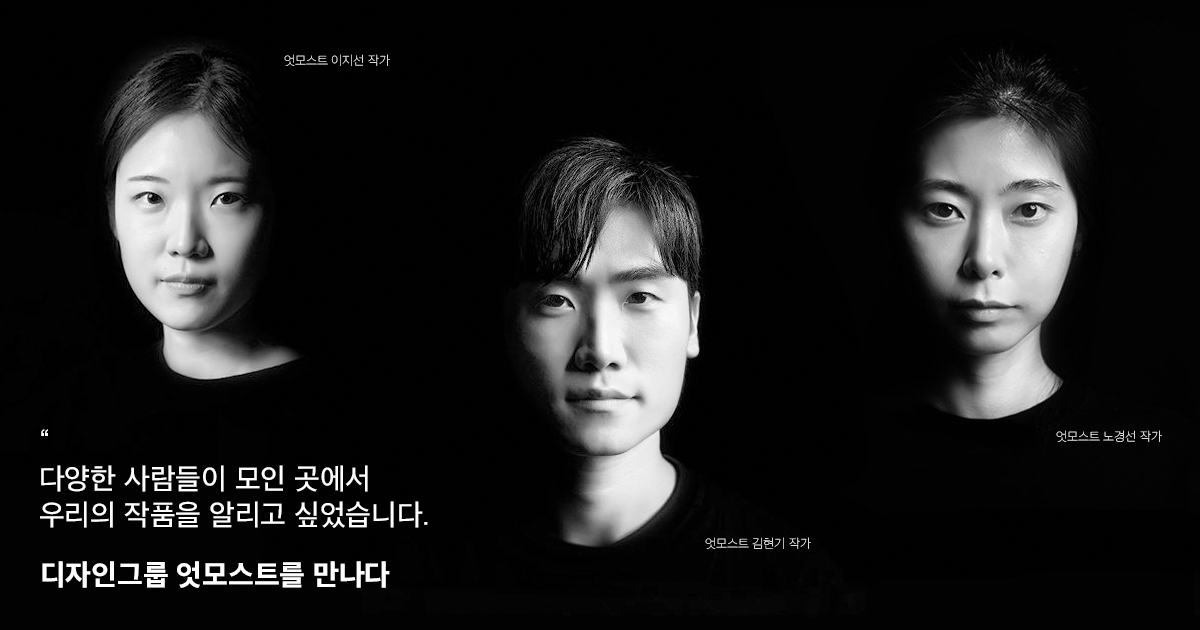
There are projects that exude the aura of a master right from their cover images—from extraordinary Hwatu playing cards to a Taegeukgi flag that feels both familiar and unfamiliar, and a blanket featuring a sign with dazzling colors. Theybroke free from working alone from start to finish and found new fans through wadiz funding, which breathed new life into their work.We met artists Noh Kyung-sun, Kim Hyun-ki, and Lee Ji-sun from Eotmost, a design group that discovers artistic charm in Korea’straditional heritage and rebirths it as new objects.
wadiz: Hello. First, could you please introduce yourselves as makers?
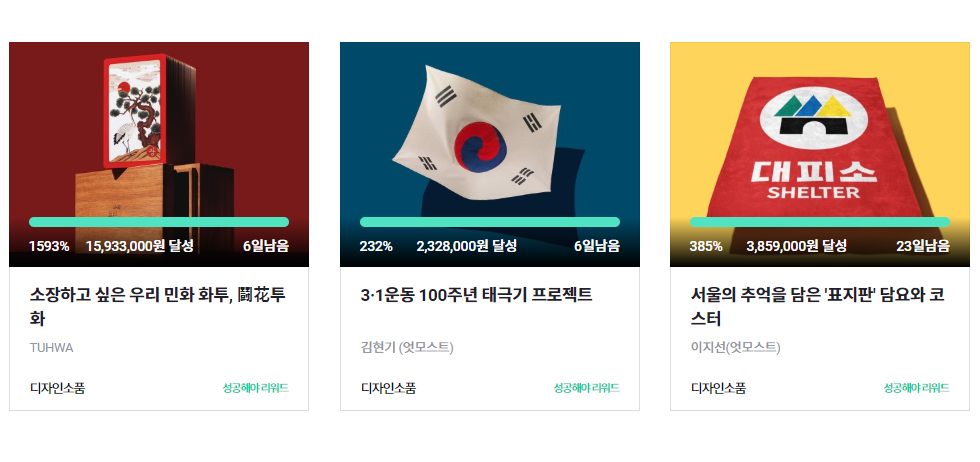
Kyung-sun: Hello. I’m Noh Kyung-sun, an illustrator with Eotmost. I’m very interested in reimagining Korea’s traditional elements in new ways. I aim to create practical art that allows me to share the unique beauty of these traditions with as many people as possible. The “Tuhwa” funding project we’re running this time began with that very intention.
Hyun-ki: Hello. I’m Kim Hyun-ki, an artist with Eotmost. I majored in both industrial design and furniture design before joining Eotmost through a great opportunity. As a South Korean designer, I wanted to imbue the most design-oriented products with the most profound messages, which is why I undertook this Taegeukgi project to commemorate the 100th anniversary of the March 1st Movement.
Ji-sun: Hello. I’m Lee Ji-sun, an artist at Eotmost. While majoring in ceramics, I primarily worked with clay, but I also briefly worked as an online merchandiser to see a wider range of products. Later, wanting to explore design from a more comprehensive perspective, I joined Eotmost. I’m currently working on transforming familiar street signs into works of art to showcase the charm of my hometown, Seoul.
So, Eotmost is what brought the three of you together. What kind of place is Eotmost?
Ji-sun:It’s a group of artists centered around Director Jeong Ji-ho, who serves as the art director. It’s closer in concept to a hip-hop label than a traditional company. It’s a design label where artists active in their respective fields pursue their individual projects within Eotmost. Eotmost’s overarching vision is to imbue existing, historical objects with new, contemporary meaning.
We mainly create works where beauty and functionality coexist, so they’re not just art that looks pretty—they’re practical enough to use in everyday life. In a nutshell, we’re turning art into everyday life and everyday life into art.
The rewards for the projects you three are working on are pieces that make art—which can often feel quite abstract—easily accessible in everyday life.
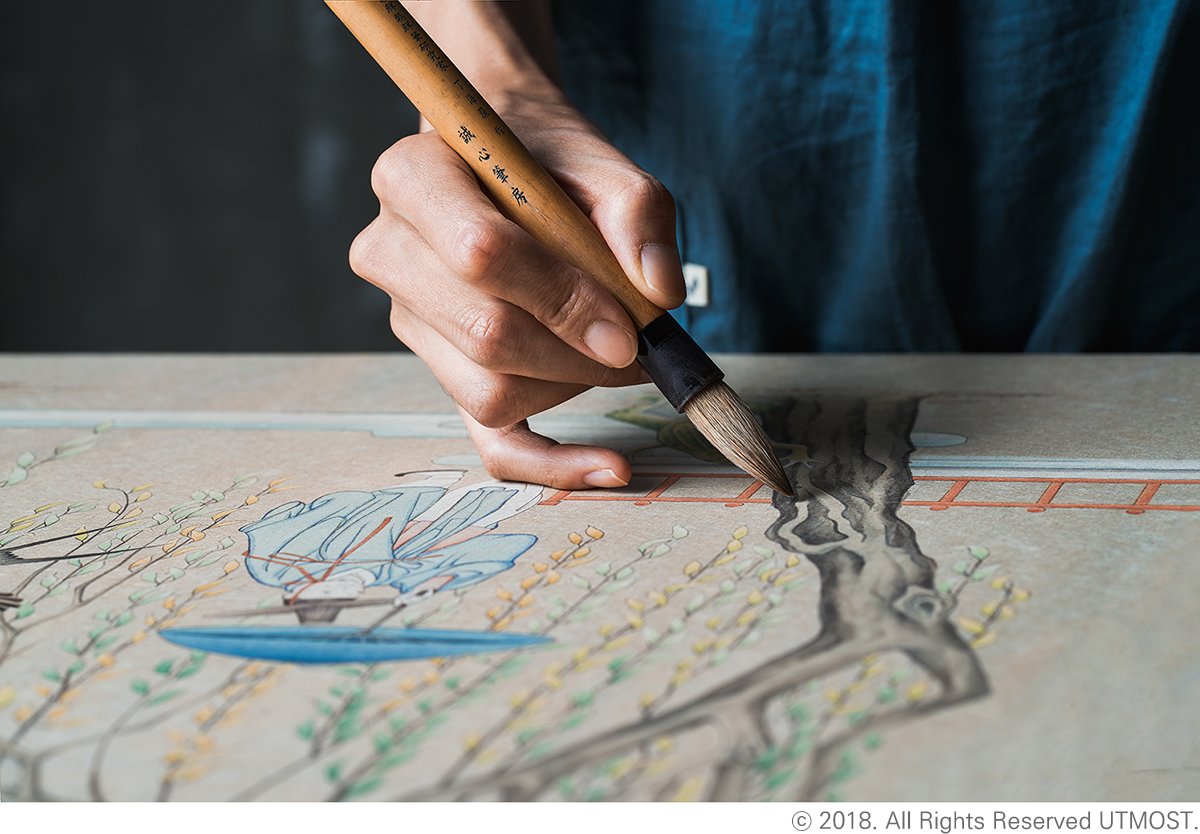
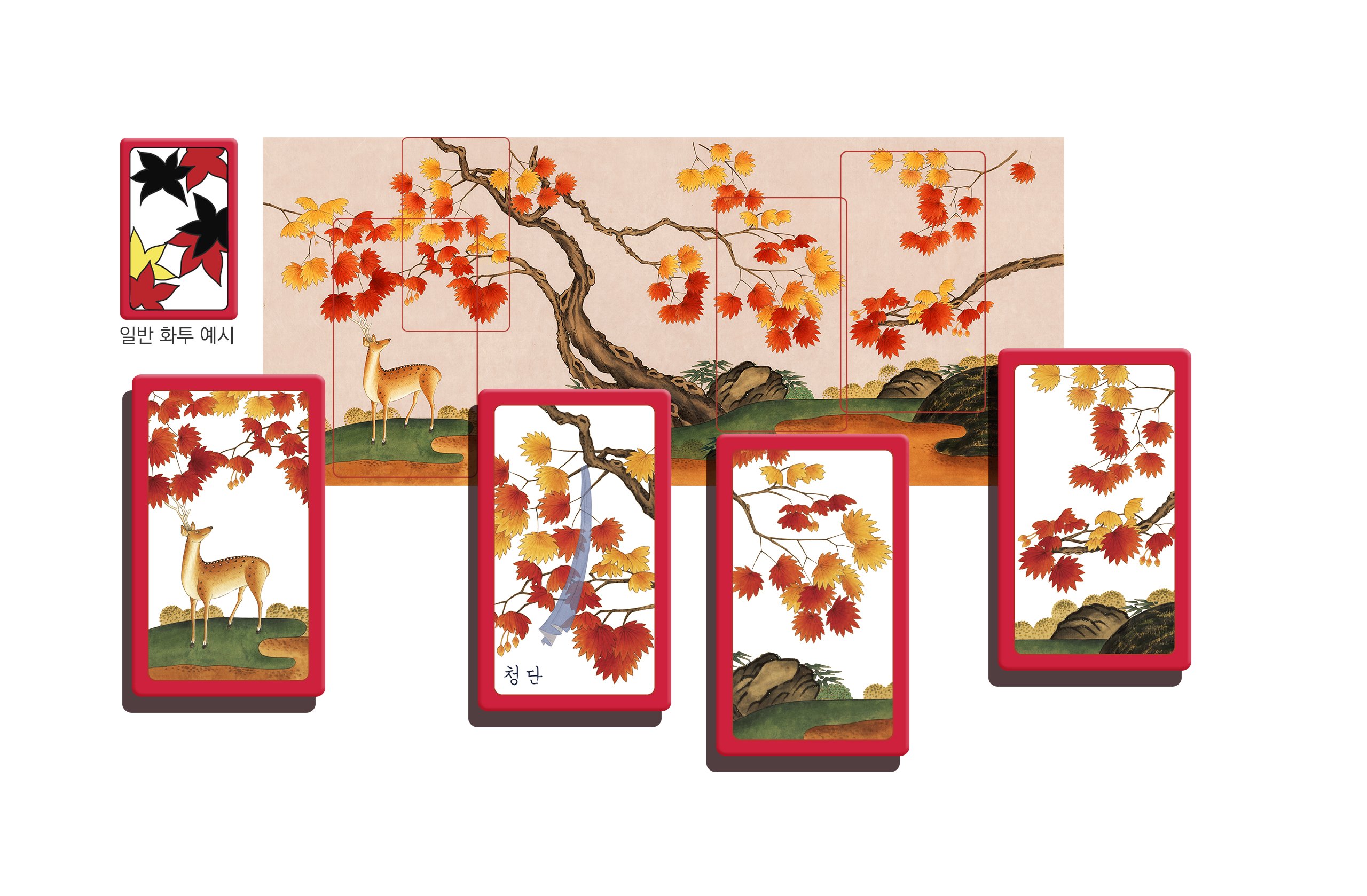 Kyung-sun: Yes, I’ve always been very interested in Korea’s traditional arts. After working with lacquer, mother-of-pearl, and inlay, I also began painting minhwa. Minhwa involves applying layers of paint one on top of another. It’s a process that takes a long time. Perhaps that’s why there’s a unique beauty in minhwa that comes from the accumulation of both color and time.
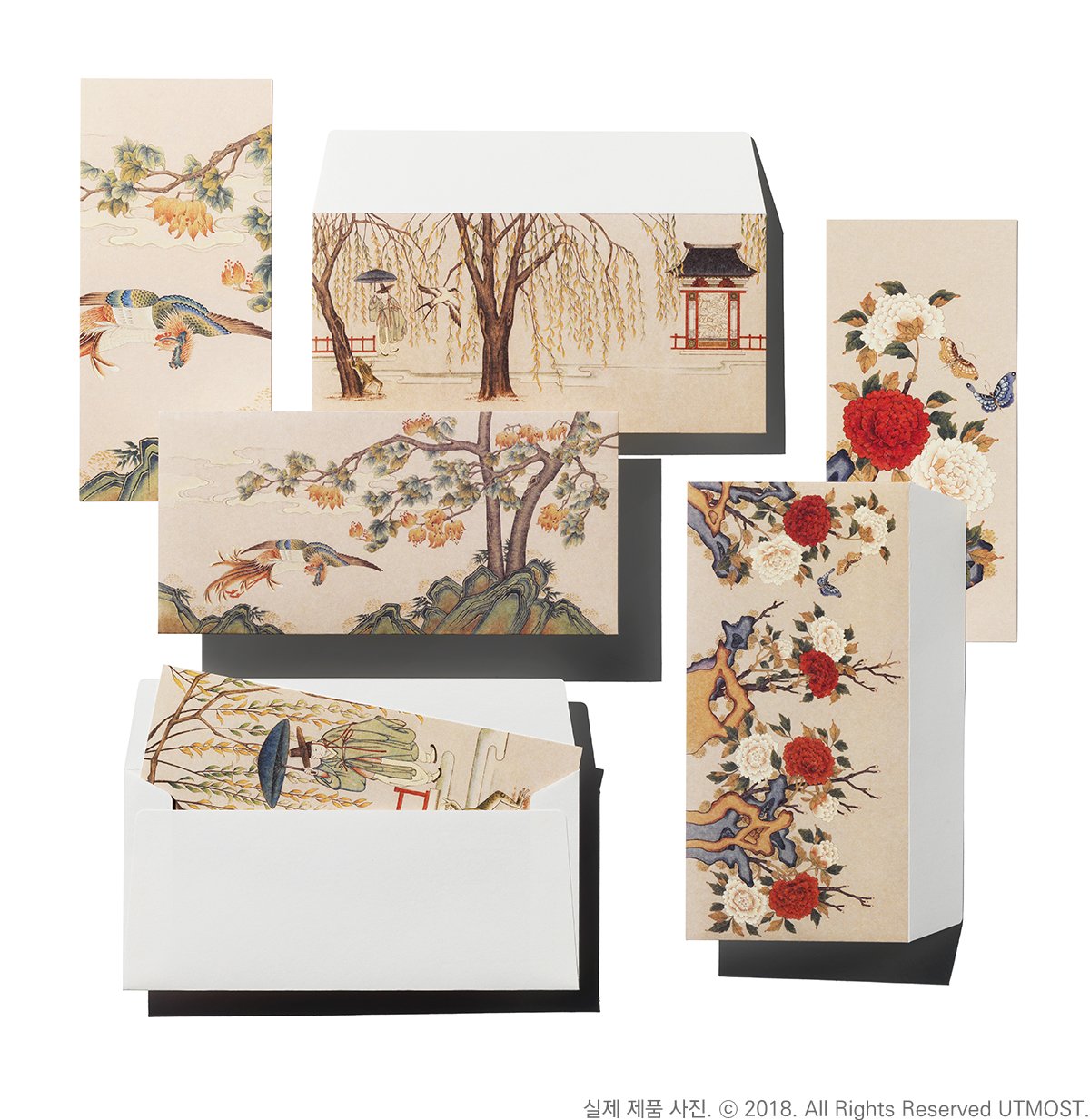
I wanted to apply that beauty to Hwatu cards—which originated in Japan but are widely used in Korea as well. Even people who play Hwatu frequently probably don’t know whether the trees depicted on the cards are paulownia or pine. I thought that if we adapted those images to be more in line with our cultural sensibilities, they might feel more familiar.
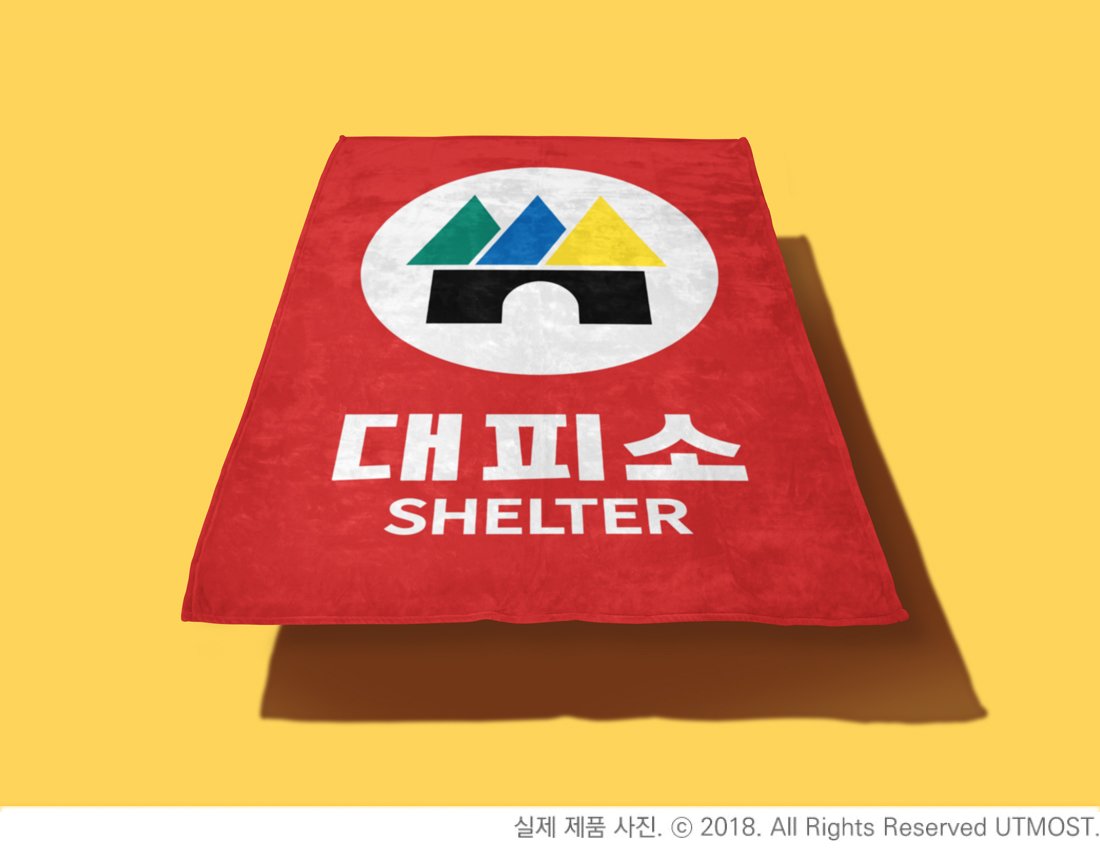
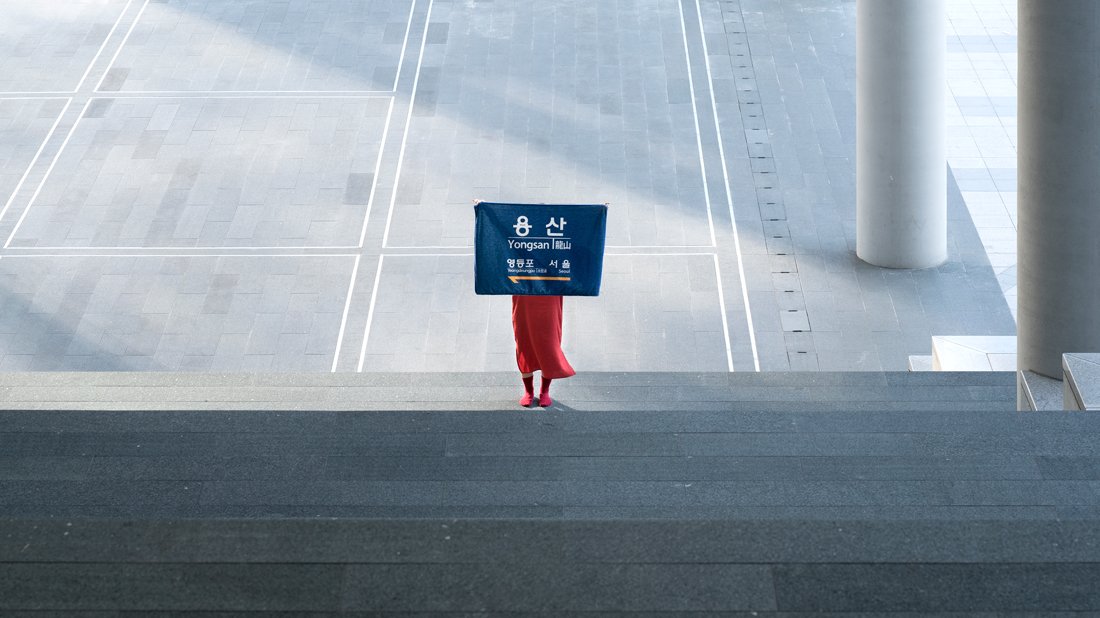 Ji-sun: Just asIwas ponderinghowto make Seoul look more appealing, Director Jeong Ji-ho gave me an idea. Abroad—especially in New York—there are many people who collect street signs as if they were works of art. But here in Korea, street signs are just street signs, right? I was looking for a medium that could bridge generations and easily convey the message of street signs in everyday life, and that’s when I thought of a blanket. The blanket’s unique, cozy, enveloping quality also aligned perfectly with my project, making it the ideal object.
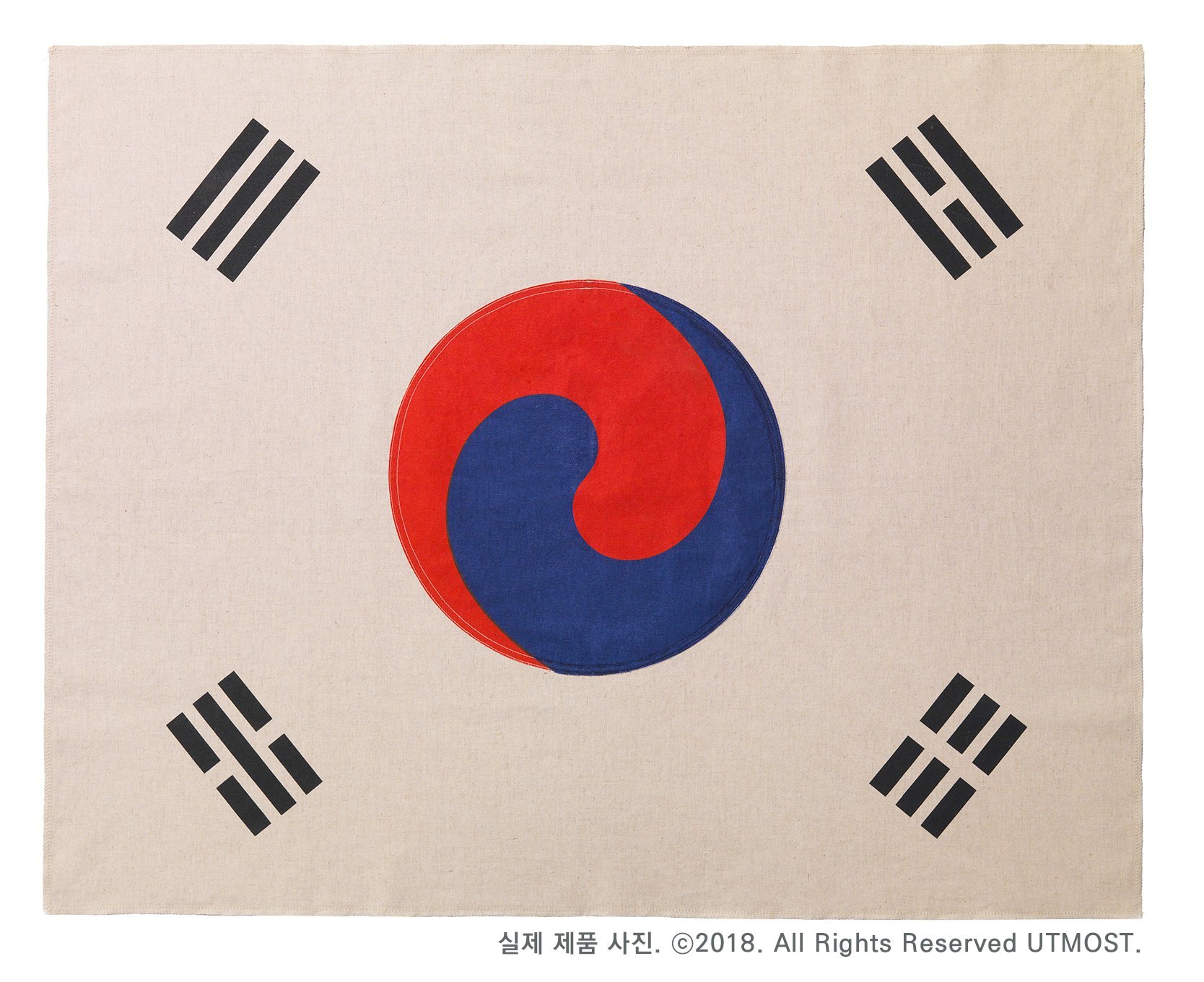
Hyun-ki:Whena Korea-Japan gameis held, we all become patriots, right? But when I actually tried to recall the last time I’d flown the Taegeukgi on a national holiday, I was at a loss. Of course, flying the flag isn’t the only way to express patriotism, but it’s a shame to live our lives forgetting our history. Next year marks the 100th anniversary of the March 1st Movement. I wanted to recreate the Taegeukgi from 1919—the one where the Taegeuk was drawn in ink over the Japanese flag—so we could remember our history together.
Each of you has a story that really tugs at the heartstrings. What made you decide to fund this art project through funding?
Kyung-sun:I’ve known about crowdfunding for a long time. It creates a system where I can easily introduce my work to the public and receive funding to continue my projectsso I noticed that many independent artists around me were doing it.
What was it like once you actually went through with it?
Kyung-sun: I was curious to see how people would react to the products I made. In a way, funding is an opportunity to get feedback from the public before launching a product on the market. Since I couldn’t predict the outcome, I was very worried before starting, but I found the process of launching and running the campaign very rewarding.
Ji-seon: I’veworked as an online merchandiser and experienced the distribution process of online shopping malls firsthand. But wadiz turned out to be a channel with a completely different dynamic. With regular shopping malls, people visit when they’re looking to buy something, so you just need to focus on explaining the product well. But Wadiz isn’t a place where people come in thinking, “I’m going to buy this!” Instead, funding only happens when people read the maker’s story and feel a connection to it.
That’s why I put a lot of effort into writing the Story. As I wrote, I found myself realizing once again why I was making this product and why I was seeking funding. It was a meaningful experience.
Hyun-ki: That’s right. If I hadn’t tried this funding campaign, I don’t think I would have been able to get a close look at the distribution process my work goes through before it reaches customers, or see people’s reactions to the products I’ve created up close.
There are funding platforms that mainly focus on design-related projects. Was there a specific reason you chose wadiz despite that?
Kyung-sun: What we wanted was to reach the general public and gain their empathy. Rather than running funding on a platform heavily skewed toward a specific category, we wanted to gauge the public’s reaction and promote our work on a platform where people with diverse tastes gather.
You mentioned that funding is a platform where your work is evaluated by the public. Weren’t you afraid of being judged?
Kyung-sun:It wasn’t asscary as I thought it would be. Since I was showing my work to so many people, I prepared thoroughly, and that gave me confidence. Of course, I think I would have been disappointed if the funding hadn’t gone as well as I’d hoped. But I kept a relaxed mindset, thinking, “If it works out, great; if not, I’ll just try again.” I didn’t want to give up just because I was afraid of being judged.
Hyun-ki: Ifelt the same way. I thought, “If we reach the funding goal, that’s great, and if not, we can just prepare better next time—so let’s just give it a shot.” After all, this is just another attempt.
As a designer, you usually let your work speak for itself, right? But with funding, you have to do everything from writing the Story to designing the Rewards, so it must have felt a bit unfamiliar.
Kyung-sun:Writing the storyis just telling my own story, right? So it wasn’t as hard as I thought it would be. I’ve always had this urge to tell people why I created this product and what meaning I’ve infused into it. Thanks to the funding campaign, I was able to organize my thoughts as I launched it. Of course, putting my thoughts into words wasn’t easy, but the wadiz Creative Directors gave me feedback on what parts to revise and where to reorder the content. That was a huge help.
Hyun-ki:The product I’mmaking features the Taegeukgi—our national flag. Since I was dealing with such a serious topic, I was very meticulous in writing the Story; even when using a single photo, I had to ask government agencies for permission first. To avoid any issues, I also carefully detailed the background of this project and how the funds would be used. I shared my Story with as many people as possible to get their feedback.
It seems like none of these stories were put together half-heartedly. How does it feel to see your personal stories being read by so many people?
Kyung-sun: Thisis the first time I’ve shared my story with so many people. I thought there might be some who thought, “What’s so special about Hwatu? It’s just a game,” but but I’ve met so many people who’ve taken an interest in my work and recognized its value.
I don’t usually use social media much, but I noticed some people started following me after seeing this funding campaign. Thanks to that, I’ve felt a sense of responsibility, so lately I’ve been trying to share more stories on social media.
Supporters really bring a maker’s social media to life! Do you think wadiz funding would be helpful for other artists as well?
Ji-seon: Of course. I’m glad this funding allowed me to let people know, “This is the kind of work I do.” Having worked on signage for so long, it was surprisingly difficult to explain my work to people one by one. But now, I just need to show them this one funding. It’s like I’ve created a portfolio.
Designers, precisely because they have such a strong personal identity, are often afraid to showcase their work to the public. It’s like stepping onto a stage to be judged. But I think funding isn’t just a place to be evaluated—it’s a place to meet fans who support your work. I hope you’ll use funding to meet fans and gain the confidence to express yourself through your designs.
Kyung-sun:For a designto be embraced by consumers, it must resonate with many people and be recognized as something worth owning. Only then can I continue my work consistently. From that perspective, meeting people who resonate with my work and my ideas is a huge deal.
These people aren’t just one-time buyers; they’re supporters who wait for and cheer on my next project. I consider simply having gained these people a huge achievement. Meeting the supporters this time has given me the confidence to move forward with my next project.
Gaining people’s trust is truly hard work. But the joy you feel when you succeed is just as great.
Kyung-sun: That’s right. I wanted the funding campaign to validate that I’m heading in the right direction. This funding campaign has essentially provided that validation. I was already proud of that alone, but there was one more unexpected outcome.
Before launching the funding campaign, I thought “Tuhwa” would be popular mainly among women in their 30s and 40s. But when I actually looked at the supporter dashboard, I saw that the participation rate was high among men in their 20s and 30s. It was also fun discovering a new target audience.
It was a pleasure to hear the similar yet distinct insights from all three of you at once! Finally, if you could share a few words with the makers…
Kyung-sun: Through this funding campaign,I realized that design is not something you can do alone. You may start on your own, but completing it is a collaborative process. I was able to successfully launch the funding campaign thanks to the many people who supported me along the way.
Just as you have areas where you excel, there are surely areas where you’ll need help. I hope you’ll view accepting help from others in a positive light and enjoy this process.
Ji-seon:If you just focus onraising as much money as possible, it can feel overwhelming and burdensome. If you take the time to think carefully about the values you want to convey through this funding, writing your story will become enjoyable, and you’ll be able to create a story that delights your readers as well.
Hyun-ki:If you get too excited seeing otherprojects succeed and start thinking too far ahead, you’ll lose sight of your original intentions and find it hard to convey your sincerity. Since this is the first time you’re showcasing your work, I recommend approaching the funding campaign without getting too ambitious and focusing on the story you want to tell.
-
Check out the services available for makers!
· Learn how to start a wadiz project
· Sign up for [wadiz funding workshops] led by funding experts