[Content Director’s Column #9] How to Create Product Detail Pages That Help You Charge Fair Prices Instead of Competing on Lowest Price
This content is
Episode 9 of the <Content Director’s Column>
series.
Be sure to take this with you!
- I’ve summarized why the sweet temptation of the lowest-price competition is bound to fail.
- In particular, I’ll show you how to write product descriptions for items that aren’t “essentials,” such as fashion and accessories.
- Since this is a formula compiled by the Content Director herself, try applying it today.
Many indicators are signaling an economic downturn.
Times like these tend to put the fashion industry on edge. People can’t stop buying essentials like food—even if they have to cut back—because not eating would be a major problem.
However, if you don’t wear clothes, bags, or shoes, you might just feel a little cold or hot—it’s not the end of the world. Perhaps that’s why, when the economy takes a turn for the worse, clothing and accessories are often the first areas where customers tighten their belts.
Is that why?
More and more retailers are starting to tout the lowest prices.
Product detail pages are the area that reacts most quickly to shifts in customer psychology. The approach involves identifying points within your product listings that can appeal to customers entering the tunnel of an economic downturn and improving the detail pagesaccordingly.
At this point, many brands and sellers emphasize price. They put the price front and center—with phrases like “Unbelievable price in the 10,000 won range”—or highlight freebies and gifts that outnumber the main product, employing sales tactics that essentially ask, “How could you not buy this?” In fact, even on wadiz—a platform that prides itself on having the fastest-changing product detail page trends in South Korea—funding projects emphasizing price benefits have started to stand out.
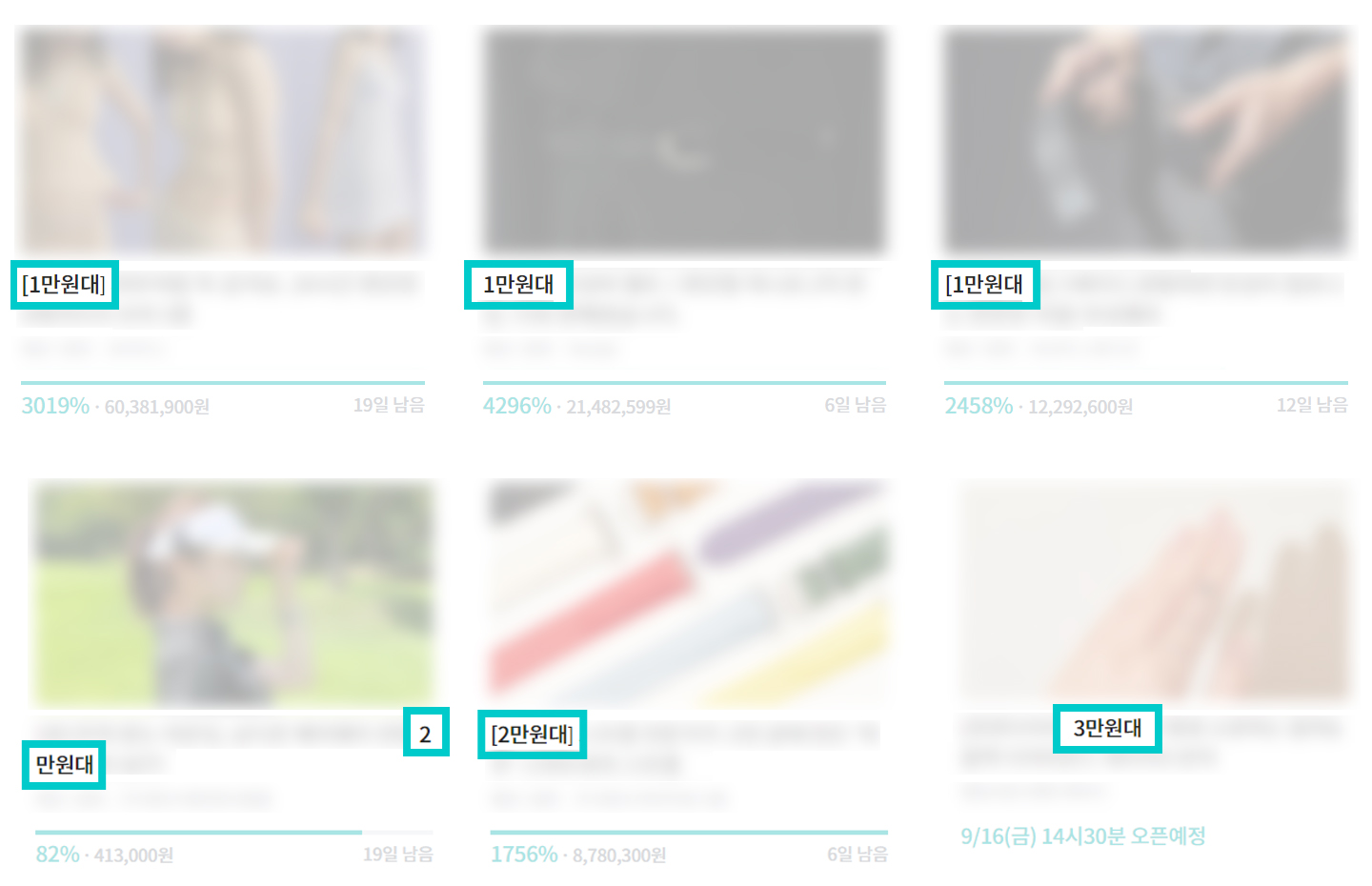
From the 10,000 won range to the 30,000 won range,
projects currently running that highlight price benefits
Marketing and product page layouts that emphasize low prices
are, for one thing, easy.
All you need to do is add some content highlighting “how much we’ve lowered the price,” so it can be done in as little as 20 minutes. Plus, it’s intuitive. You can immediately stimulate customers’ desire to buy without having to go into detail about how hard we worked to create the product or how much we obsessed over the quality of the materials. However, this approach is fatal to our survival.
If we focus on the lowest price,
you’re bound to fail(必敗)Two reasons
First, it goes without saying, but it leads to a price war.
In an economic downturn, businesses tout the lowest prices to boost sales even slightly and stay afloat, but when you factor in all the costs involved in planning, producing, and shipping a product, if the margin isn’t significant, our survival becomes even more uncertain. If we aren’t properly prepared, the more we sell, the more we lose. You might be able to sell one item at the lowest price as a loss leader, but you must also factor in the risk of shooting yourself in the foot—the rate at which customers purchase other profitable items alongside it is often lower than expected.
Plus, customers these days are incredibly discerning and savvy.If there’s a brand that’s even 10 won cheaper or a seller with delivery that’s even one day faster , they’ll definitely find it and leave us. The chances ofthem coming backaren’t very high.
Second, once the image of a “brand that runs a lot of sales” is established,
cannot be reversed.
Does anyone here know the YouTube channel *Negowang*? It’s a show where the host visits brands to “negotiate” for significant discounts. Although *Negowang* is a golden opportunity for brands to attract a large number of new customers, Brand D—which had firmly established its position in the vegan beauty market—offered discounts of up to 65% but was not well-received by customers. This is because the brand is perceived as one that frequently holds sales and often runs “buy one, get one free” promotions.
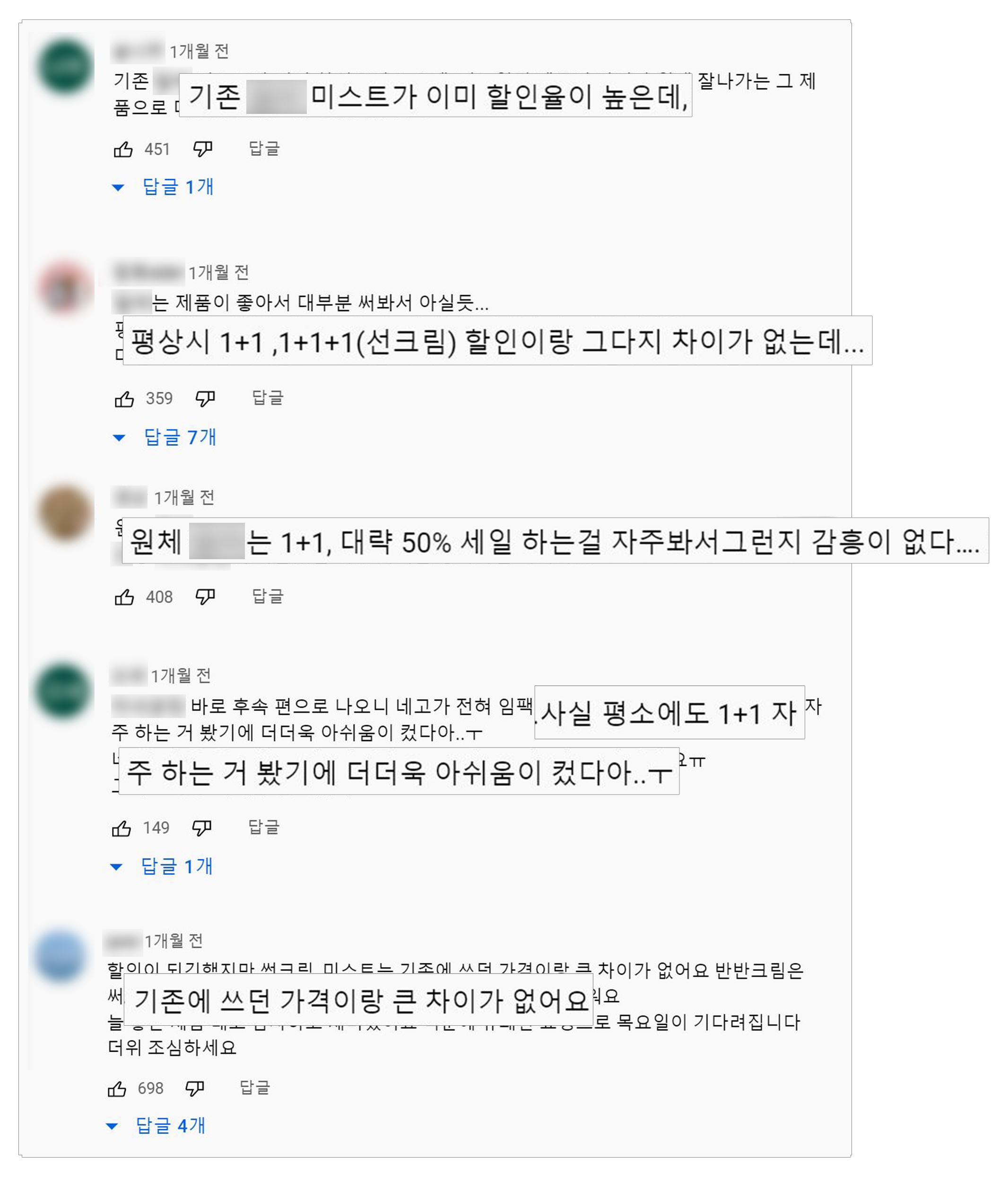
Comments on Brand D’s *Negotiation King* YouTube video
Brand D must have gone through countless internal meetings and late nights leading up to its appearance on *Negotiation King*. They likely put in a lot of effort—such as expanding their website’s server capacity to meet the YouTube schedule and creating detailed event pages. However, when the campaign was finally launched, the very promotional tactics they’d planned—using sensational phrases like “once-in-a-lifetime opportunity” and “unprecedented discount”—ended up backfiring. This is yet another case of shooting oneself in the foot, and it’s why we must carefully assess whether we’re heading down the same path as Brand D before designing a detail page that touts the “lowest price.”
So, how should we craft our product pages to command full price and win over customers amid this flood of “lowest price” claims? Here are three strategies proposed by a “veteran” content director who has dedicated the past four years exclusively to refining product pages.
State the price elegantly
3 Ways to Create Product Detail Pages That Clearly Justify the Price
First, state right from the start
right from the start.
This way, the “phantom” customers who came in expecting “only” the lowest price will naturally filter themselves out.
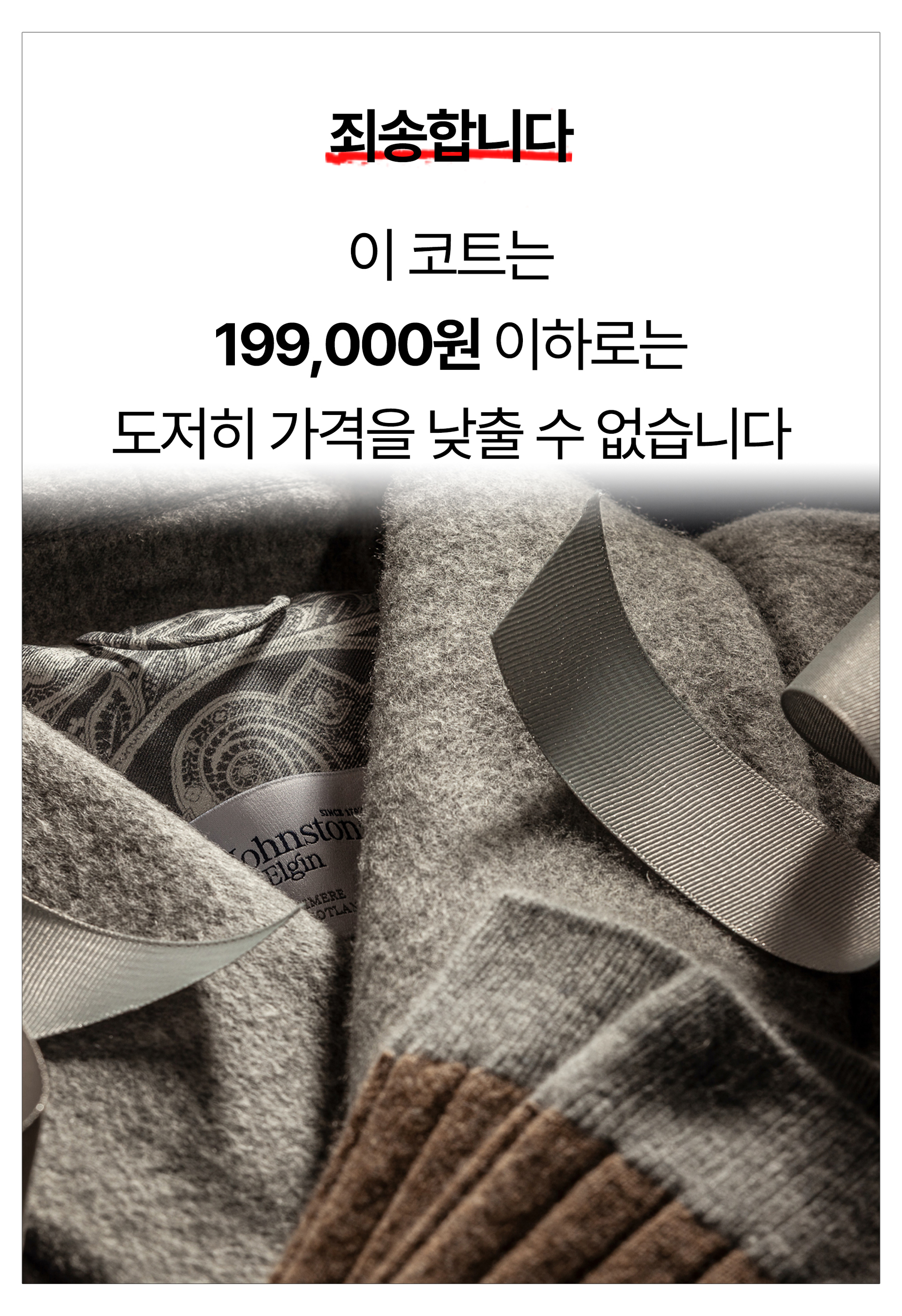
Don’t focus on the “lowest price”—instead, state your “fair price.”
And if your quality and service are solid, the “real” customers—those willing to pay a fair price—will stay. Don’t worry; your conversion rate won’t be significantly affected by these casual shoppers leaving. They weren’t your brand’s or product’s target audience anyway.
However, there’s one thing you must be careful about: you must clearly explain on the product detail page why you can’t sell at a lower price.
- When we shop in-store, sales associates often say, “We’re a no-sale brand,” but we don’t always find that particularly appealing.
- that’s because the salespeople don’t explain “why it’s a no-sale brand.”
Since we source the finest fabrics through annual contracts, our costs are fixed—so even if an item is out of season, we can’t offer it at a discount. Adding even a simple explanation like this will help customers understand, right?
Second, buying at full price
is actually the more rational choice—and you can back this up with numbers.
- Cheap clothes are meant to be worn for just one season and then thrown away
- Cheap shoes might have the soles fall off after just a few wears, or they might look “cheap” from the start, making them unwearable.
Our customers have already learned the hard way that the saying “You get what you pay for” embodies the wisdom of our ancestors.For these customers, we need to use concrete numbers to show that buying one high-quality item—rather than being tempted by the lowest price—actually saves them more money.
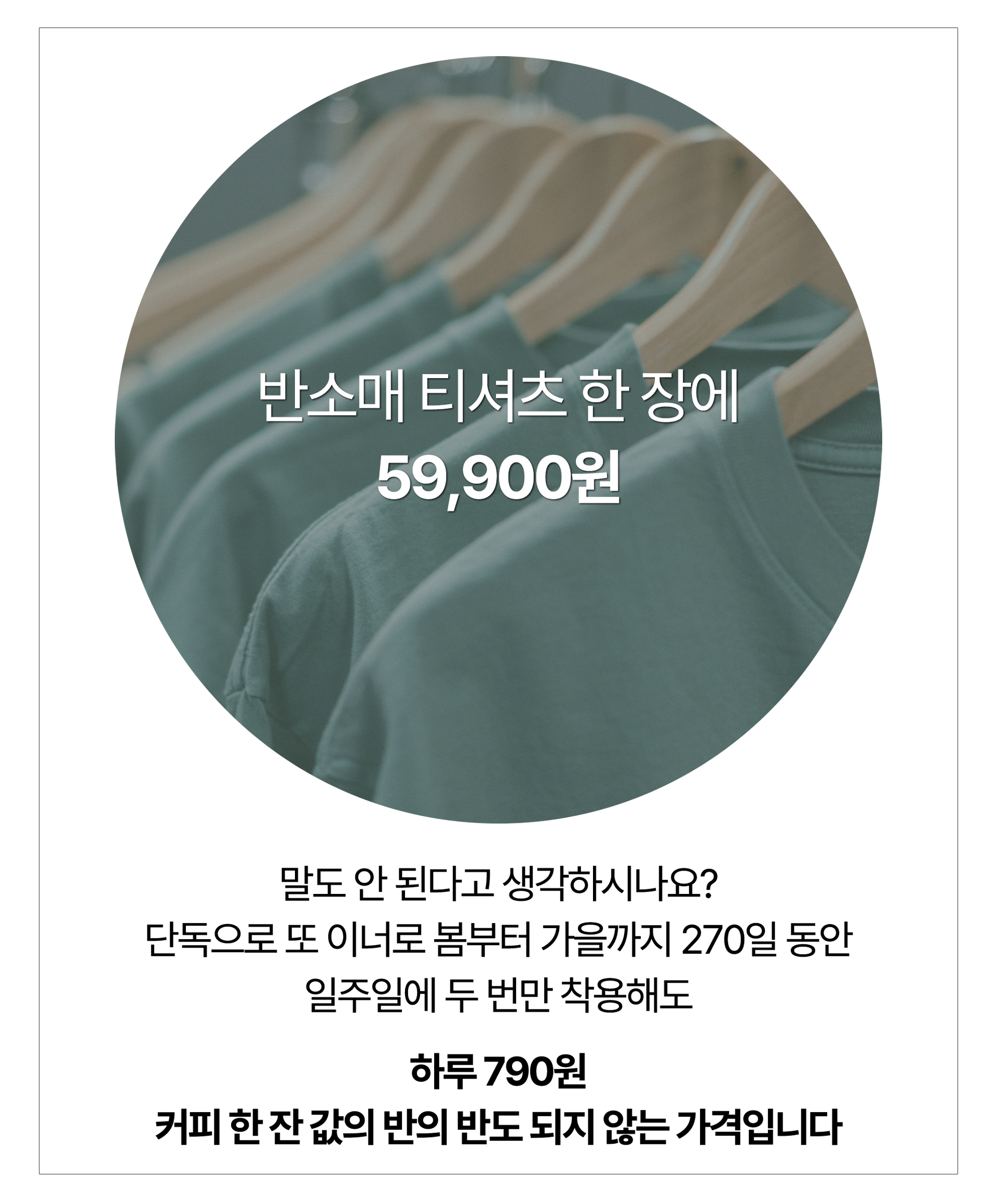
A 59,900-won short-sleeve T-shirt makes you think, “This seems worth the money.”
At this point, try presenting a variety of specific figures. While you could show that buying one high-quality T-shirt is better than buying five cheap ones, you could also demonstrate that even if you wear that one high-quality T-shirt just twice a week, it works out to 000 won per day. Explore how you can present these numbers so that our “fair price” comes across as reasonable to customers.
Third, and this goes without saying,
be honest about the product’s quality.
- We can’t set prices low,
- and we even showed them the numbers to prove that, because the quality is good, the products last longer—making them a rational choice.
If the actual product they receive falls short of their expectations, customers will be furious. (This goes beyond mere dissatisfaction—it’s outright anger.)
Therefore, setting aside the fact that the product must be well-made from the start, it’s extremely important to align customers’ expectations with the reality of the product by clearly communicating, “This is the level of quality you’ll receive for this price.”
This isn’t particularly difficult; all you need to do is include a well-taken close-up photo of each detail or component of the product, along with a brief description of one or two lines. You don’t need to go overboard—if you treat the photo-text combination as a “set,” preparing about 5 to 8 of them should suffice.
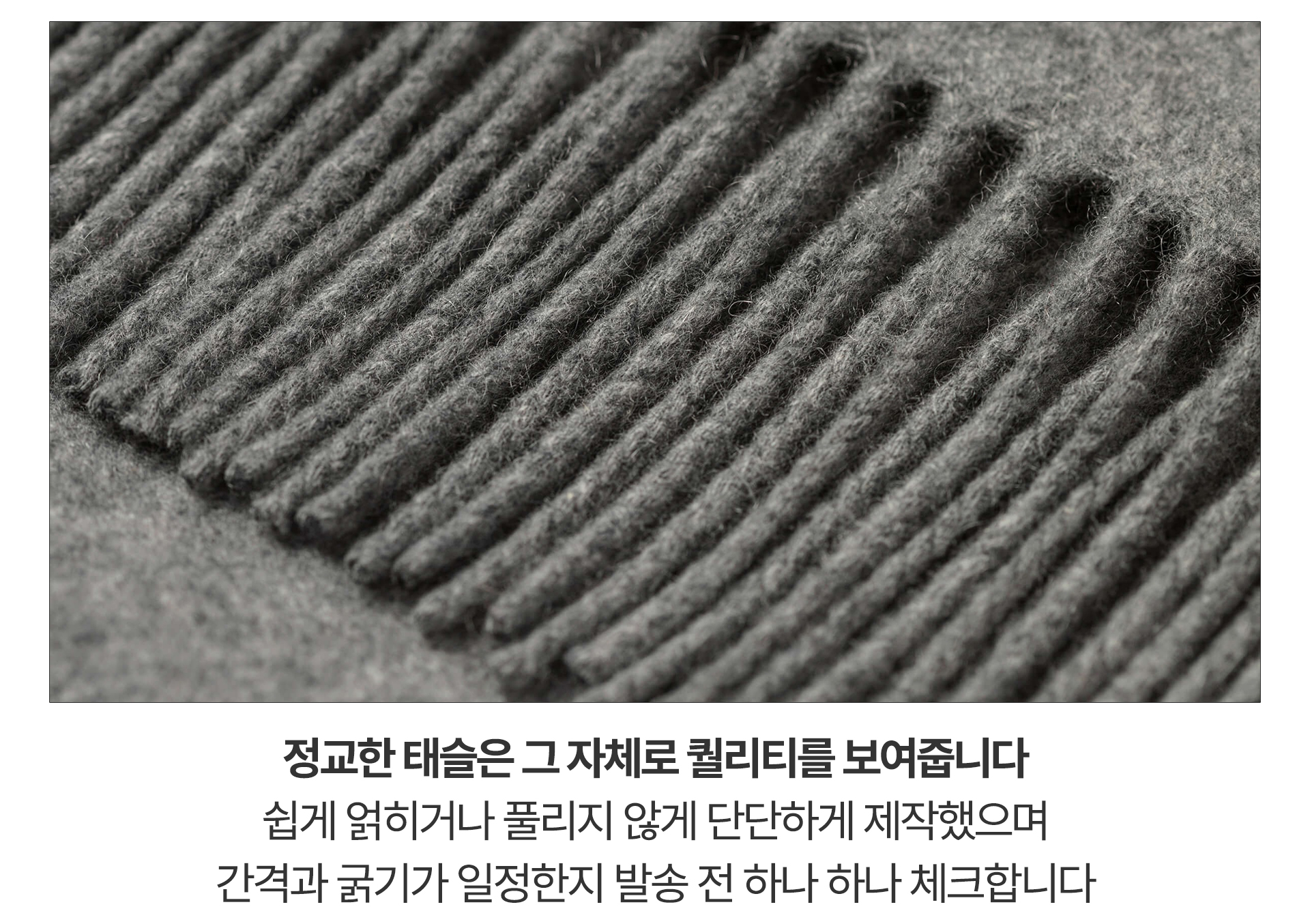
Just repeat this process 5 to 8 times, and you’re done.
In the fashion and accessories categories, many sellers and brands focus so much on showing the overall “look” and vibe of the product as worn by a model that they end up designing their product detail pages primarily around well-photographed “pretty pictures.” Unless you’re competing on price alone, you need to prepare as many detailed shots and close-ups of the product as possible to charge a fair price. Don’t think of this as a hassle. Once you’ve decided to charge a fair price, it’s only natural that you’ll need to put in a little more effort.
Confidently charge what your product is worth
and emerge from the tunnel of darkness
So far,
- Standing at the entrance to the tunnel of an economic downturn, if we start touting the lowest prices just to survive, why does that actually make things more dangerous? Along with two reasons for this,
- and examined three ways to write product detail pages that allow you to confidently charge the right price.
The race to the bottom is something that can make anyone waver at some point. As the Content Director and Head of the Content Team at a crowdfunding platform for small brands and startups, I sincerely pray that this winnerless competition—this quagmire—does not swallow you whole. Thank you.
<Content Director’s Column> Series
- [Content Director’s Column #1] Why Product Detail Pages Must Be “Detailed”
- [Content Director’s Column #2] The Order of Product Detail Pages: I’ll Just Lay It Out for You.
- [Content Director Column #3] Step-by-Step Guide to Launching a Product Detail Page
- [Content Director Column #4] There’s No Such Target Audience as “Women in Their 20s.”
- [Content Director Column #5] Why You Should Write the Product Detail Page Even Before You’ve Taken Product Photos
- [Content Director's Column #6] How to Write a Product Page Summary in 3 Minutes
- [Content Director Column #7] 3 Ways to Boost Sales by Adding Just One More Line
- [Content Director Column #8] How to Instantly Improve Your Product Page Copy by Changing Just a Few Words
- [Content Director Column #9] How to Create Product Detail Pages That Command Fair Prices Amid Price Competition
- [Content Director Column #10] How to Write Ad Copy in 10 Minutes Using ChatGPT
Makers, check out the services you need!
- Learn How to Start a wadiz Project
- Check Out [Maker Events] Open for Registration Now
- Sign Up for [wadiz Funding Courses] Taught by Funding Experts
-
Text/Photos/Editing: Choi Hong-hee
This article is an excerpt from “How to Write Product Listings That Command Fair Prices in a Lowest-Price Competition,”originally published on Fashion Post on October 2, 2021.
※ If you share or use any content (text, images, videos, graphics, data, etc.) posted on the wadiz maker center externally, please be sure to cite the source.